Labour market inequality must be overcome in tackling global recession
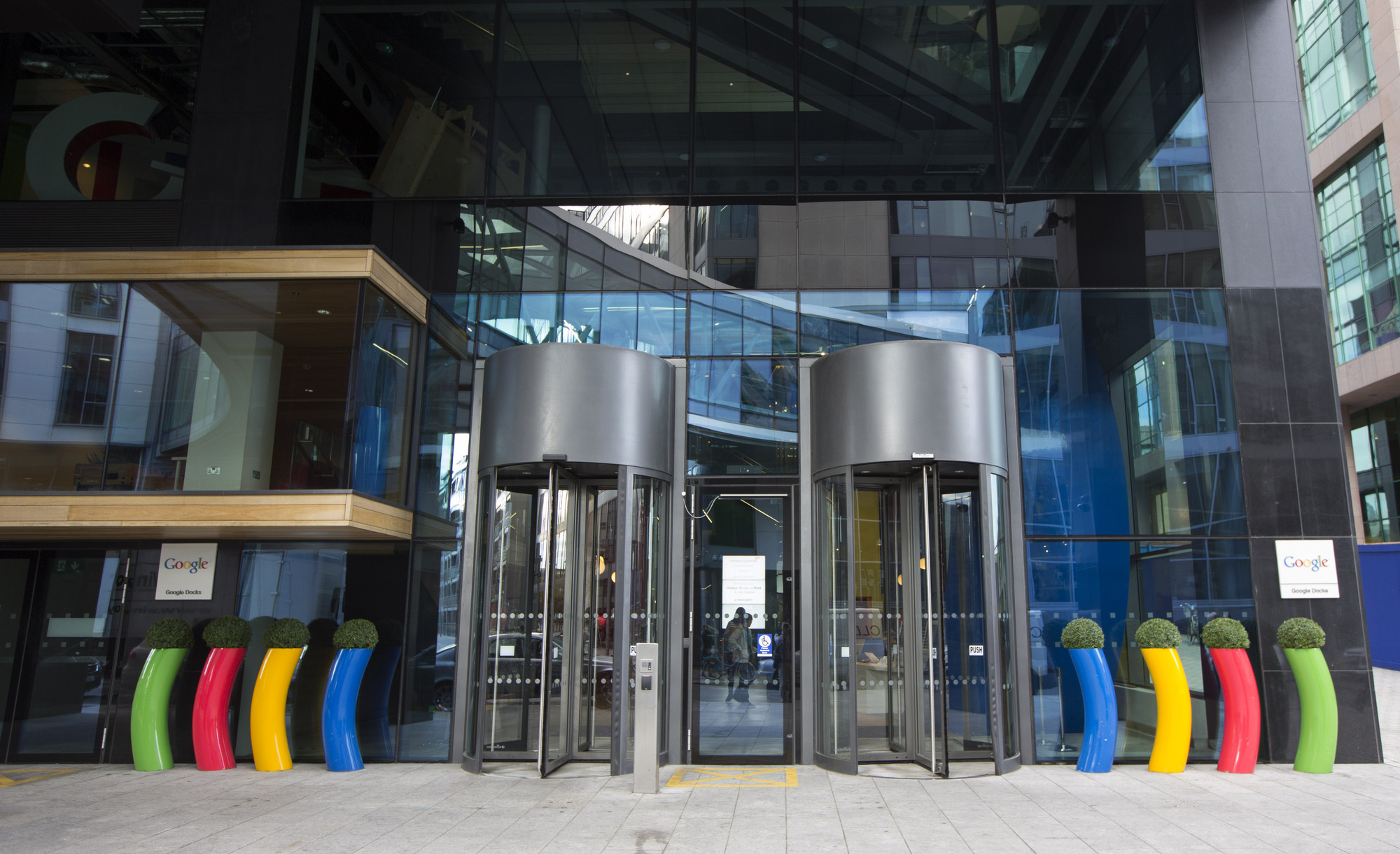
The Dublin docklands area hosts major offices for many of the world’s largest tech companies including Google’s parent Alphabet. But with just 10 firms accounting for 36% of all the tax paid in the country, our economic vulnerability in the face of a global recession and the current tech downturn has caused some concern.
Recent global tech sector lay-offs have hit Ireland’s workforce hard. Prior to these job cuts, the Irish digital sector directly employed more than 270,000 people, as well as creating many more ancillary jobs.
Tech jobs pay an average annual salary of €74,000 in Ireland and cover 11% of the country’s income tax revenues. While gross pay increased across all sectors in 2021 compared with pre-pandemic levels, tech salaries grew by an impressive 28%, compared with 1% for hospitality workers.
These well-paid tech workers have been better able to afford Ireland’s high rents and house prices. Although, these were arguably boosted by the growth of high-paying sectors such as science and technology in the first place.
These jobs often come from foreign firms. Last year broke records for foreign direct investment employment in Ireland. Multinationals employed more than 300,000 workers, with information and communication firms accounting for 116,192 of those jobs.
The Dublin docklands area hosts major offices for many of the world’s largest tech companies including Google’s parent Alphabet, Apple, Meta, Microsoft/LinkedIn, Stripe and Twitter. But with just 10 firms accounting for 36% of all the tax paid in the country, our economic vulnerability in the face of a global recession and the current tech downturn has caused some concern.
Before these job cuts, continued employment growth from multinational firms left home-grown tech companies – and many other sectors – with record job vacancies. Ireland hit a record high for job vacancies right across the economy this year.
This means there could be a silver lining to recent lay-offs by global tech giants, particularly if locally based talent is freed up for indigenous tech firms. It could also create opportunities for employees that are currently underrepresented in the workforce such as women and older people.
Almost half (45%) of all Irish workers returning to employment post-pandemic changed jobs, with 69% of those also changing economic sector. This labour market upheaval is remarkable, pointing to a post-pandemic reassessment of why, how and where people work. Indeed, instead of the “great resignation” experienced by other countries, Ireland has seen more of a “great reshuffle”.
And while some of these workers are leaving good jobs for great ones, others are leaving bad jobs for slightly better work or exiting the labour market completely. The competition for both top talent and low-skilled workers continues unabated.
This churn has also revealed a growing duality in the labour market. Despite high pay for multinational and tech sector workers, recent OECD data shows that the problem of 'low pay' (earnings below two-thirds of the country’s median income) is much more acute in Ireland than in many developed countries.
At 18%, we have the highest rate of low pay among western EU states. This problem is more acute for migrant workers (almost one-fifth of Irish workers), women, younger and older workers.
Hospitality employees are among the lowest paid, typically earning one-third of tech workers’ salaries. Half of all hospitality workers in Ireland changed employer post-pandemic. Two-thirds of these moved to other sectors such as retail and administrative or support services.
All of this indicates a change in workers’ idea of 'decent work'. While previous definitions typically included fair wages and employment benefits such as a pension and healthcare cover, recent research suggests workers are reassessing their jobs and demanding more flexible and better-quality jobs in which they are appreciated, fairly compensated and properly supervised.
Elon Musk’s recent ultimatum requiring all Twitter employees to return to in-office work and commit to working in a 'hardcore' fashion backfired. When workers reacted with the departure of key personnel and litigation threats, Musk appeared to relax his outright ban on remote working.
But, despite the obvious advantages of hybrid working for both employers and workers, there is more potential for long-term career damage, unfair treatment and unequal access to opportunities for remote workers.
A recent global survey by Deloitte found that 58% of female hybrid workers felt excluded from access to leaders and key meetings. Also, some research suggests less than 40% of jobs can be performed remotely.
Given the record levels of job vacancies in Ireland, two untapped labour sources are right under our noses:
1. : Faced with the majority of caring responsibilities, the exodus of women from the labour market during the pandemic was striking. In the first half of 2020 alone, more than 70,000 women left the Irish job market. This trend has since been partially reversed with a 59% female labour force participation rate in 2022.
But women still face barriers to decent work including unpaid caring duties, interrupted work histories and being more likely to be underemployed or stuck in precarious or low-paid employment.
2. : People in the developed world are also living longer and governments in many OECD countries are encouraging continued participation in paid work.
But this is challenging for employers and employees. Result’s from Ireland’s first Longitudinal Study on Ageing shows workers approaching pension age tend to work fewer hours or part-time. Workplace ageism also remains a barrier to work for this section of the population – while many firms employ older workers, few recruit them.
The world is reeling from recent tech job losses and the global recession. But Ireland is well positioned to respond to these challenges if it can address labour market inequality.
- Maeve O'Sullivan is Assistant professor of Decent Work & Human Resource Management, University of Galway

CONNECT WITH US TODAY



Be the first to know the latest news and updates