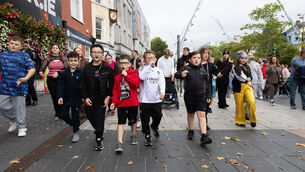
We need to lose our fear of pedestrianisation-only zones
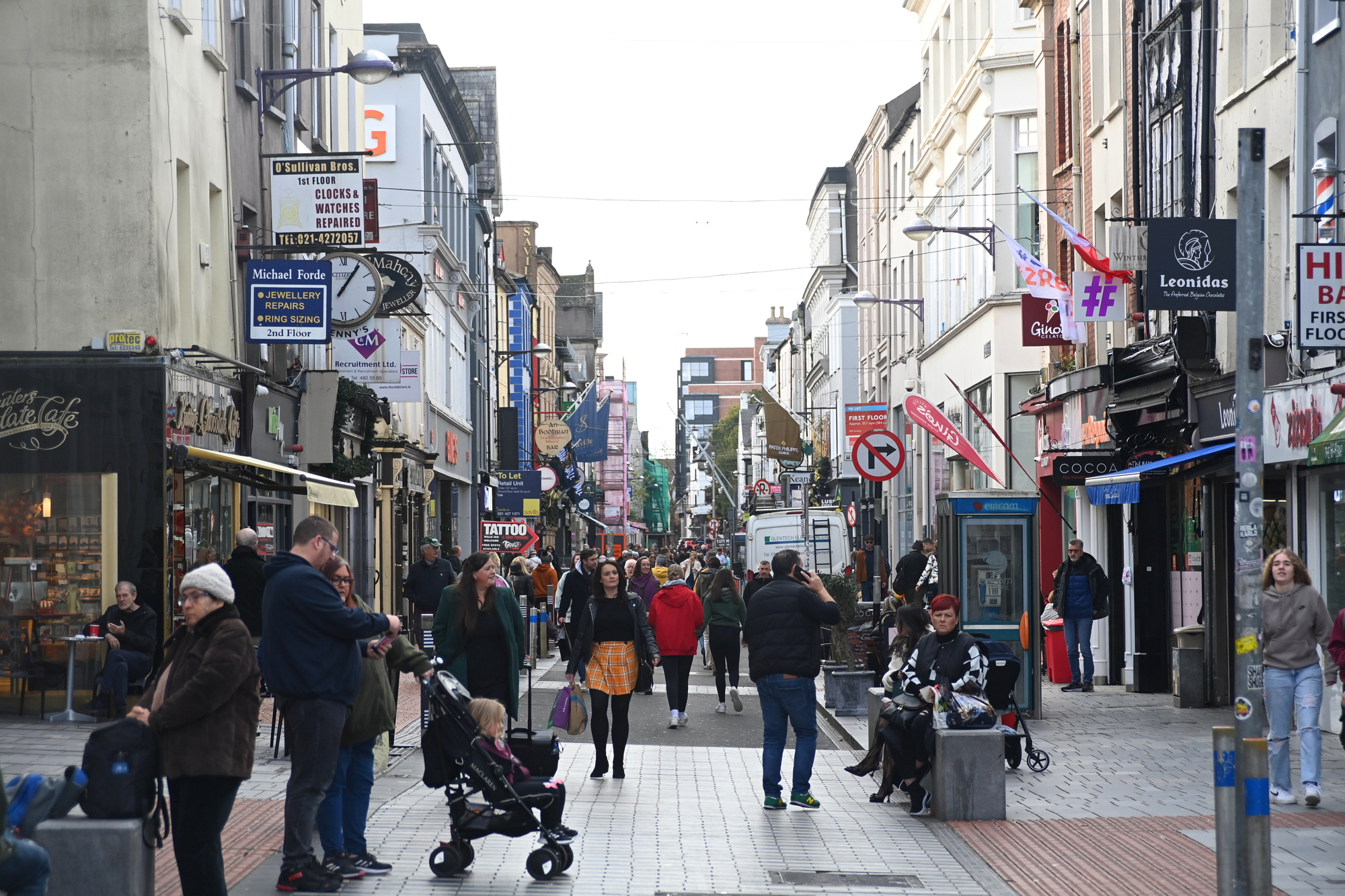
A busy Oliver Plunkett Street earlier this month. Picture: Larry Cummins.
Pedestrianisation is by no means a new concept. In fact, it was 1971 when Cork’s Prince’s St became the first pedestrian-only street in Ireland.
It was 11 years later that Grafton St in Dublin became a pedestrian zone.
In the decades that followed you would not be alone in feeling as though very little has changed. Progress towards cities that prioritise people over cars has been slow.
A silver lining of the Covid-19 pandemic is that more and more pedestrian-only areas have sprung up across the country.
When confronted with the pandemic, we were forced to look at our public spaces and think about how and if they served the needs of the community.
In many instances, plans for pedestrianisation in cities had been in the works for some time but the timeline was drastically sped up because of Covid.
The opportunity to experiment and trial new ways of engaging with our cities and the people around us saw seating areas, plants and outdoor dining introduced to streets that had previously been clogged with traffic.
With a variety of proven positives and real-life success stories from Europe and within our own country, why is there still reluctance in Ireland to create more pedestrian-only zones?
Ulf Strohmayer, professor of geography at the University of Galway, believes one of the main issues is the reluctance of those in power to rock the boat and push for a change that, while necessary, might not be the most popular.

However, this may be starting to change.
“I perceive there is a bit of a sea change happening now because there is a new generation coming into those jobs. They are more clued in. They may recognise that their career chances are actually enhanced if they take a risk and the risk pays off,” said Prof Strohmayer.
To ensure the lowest risk of a proposed pedestrian-only zone backfiring, there must be thoughtful, informed planning. It is not enough to just pedestrianise an area, says Prof Strohmayer. You have to make it attractive to people whether it is outdoor seating/dining, trees, canopies. It must be a place that people are drawn to. A truly social place that encourages people to slow down, spend some time and interact with one another.
“In Ireland, public design is an afterthought. It’s something we do when we have money left rather than prioritise it,” said Prof Strohmayer.
We get the policy right, we get the plans right but we don’t get the implementation right, he added.
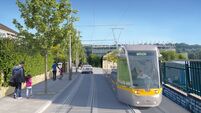
In facilitating the reduction of cars in our cities, the most obvious starting point is to look at the public transport system serving the area. If cars are removed from the equation, will the city still be accessible to everyone?
When it comes to public transport, Prof Strohmayer says Ireland isn’t even at the races when compared to other EU countries.
However, achieving the difficult balance between reducing the number of cars in the city centre and maintaining accessibility for all people is something Rory Kelleher, director of public affairs and sustainability for Cork Chamber of Commerce, believes Cork has done very well. He credits this to well-thought-out plans and designs.
“It’s all been positive. I think people who would have been kind of reluctant to embrace it can now see on other streets that have been pedestrianised how successful it has been,” said Mr Kelleher.
It has proven to be a real success and in many ways, it changed the feel of the city for the better — getting people out dining, a more continental-style city.
"It created a nice atmosphere. Made the streets much more lively and attractive to people.” When the decision to pedestrianise an area has been made, what is crucial to the success of the introduction is how it is communicated to the public and businesses.
CLAIRE Nash, who owns and runs Nash 19 on Cork’s Princes St, said communication from the city council has drastically improved recently.

Pointing to the so-called “Pana ban” in 2018, which saw private cars banned from the city’s main street every day from 3pm to 6.30pm, Ms Nash said there was zero communication in the lead-up to the decision.
If the first introduction a person has to a newly created pedestrian-only zone is a sign or a barrier saying “no cars allowed” then they will view the change as just that — a barrier. Something that is being imposed on them.
Getting the public and businesses to embrace the change is vital to whether introducing these areas is successful or not.
Mr Kelleher said one of the key factors in the successful pedestrianisation of areas in Cork city over the past couple of years has been the buy-in by businesses.
Over the past two years, the drive to pedestrianise some streets came from the businesses themselves rather than something that was being imposed on them. It became a co-creation sort of process.
“That gives it a whole different feel and the people who operate on those streets have a sense of ownership about it.”
While Prof Strohmayer agrees that having the support of the public and business sector is the most democratic way to approach the issue when we look at where things stand in terms of climate change, it begs the question: do we have time to bring everyone on board before taking real action?
The answer to that is something for future generations to decide as they judge our triumphs and our failings but it is a question that those who are in charge need to be asking themselves now.
CONNECT WITH US TODAY
Be the first to know the latest news and updates