Ciaran Meers: There are two sides to the BusConnects discussion, but they're not equal
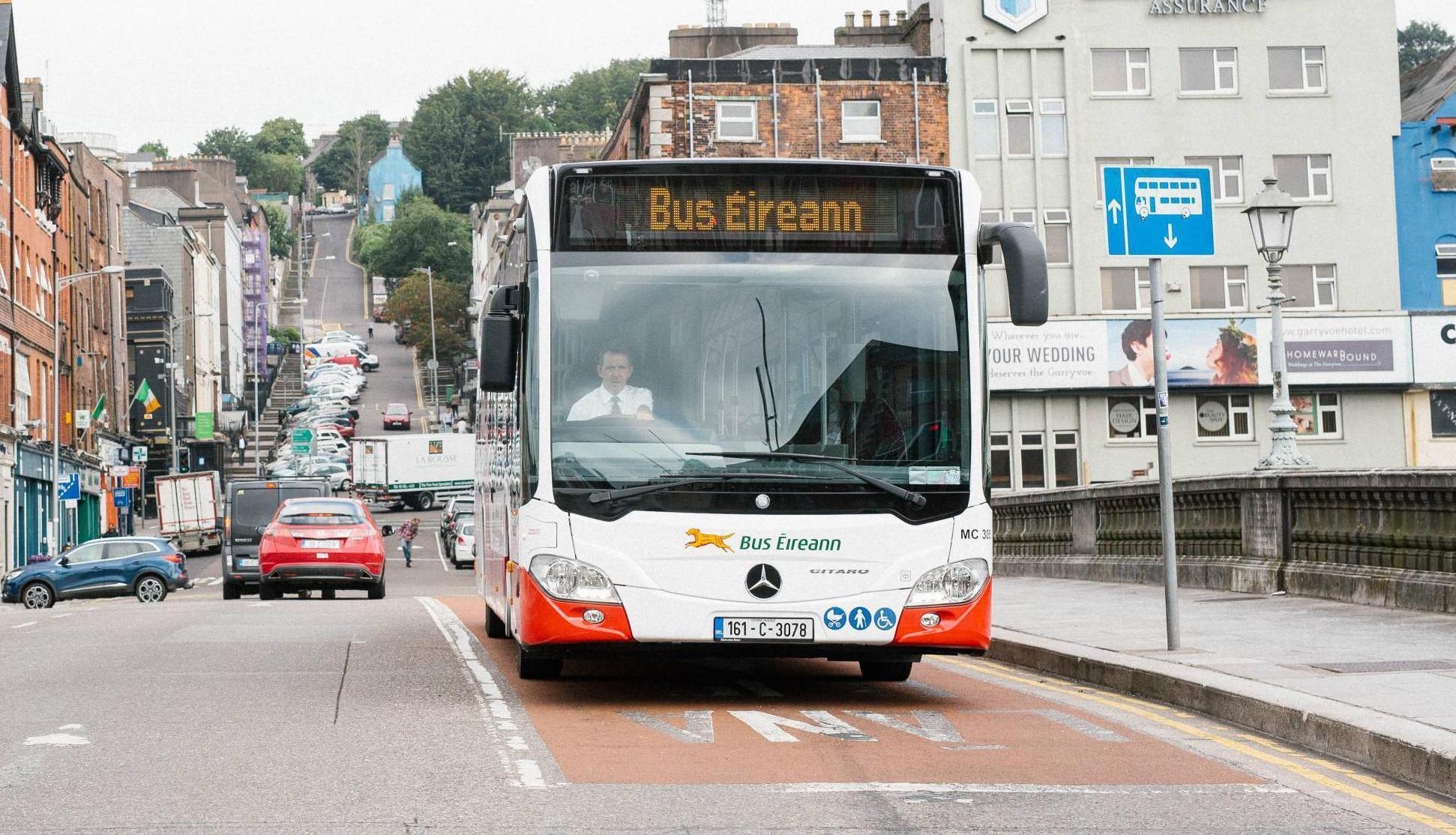
BusConnects, if implemented in full, will positively impact all Corkonians, whether they are bus users or not.
It’s 5.30pm, raining, and you’ve been holding your bag over your head for the past 20 minutes in a desperate attempt to keep dry. The bus is nowhere to be seen. It appears on the horizon, a slow crawl behind the endless line of traffic.
Or maybe it has the dreaded ‘As Seirbhis or ‘Bus Full’, leaving you to soak to your bones for another 20-plus minutes or more until the next one arrives.
Every bus rider in Cork has been in this scenario at one point or another. Perhaps this was you once, before it was one time too many and you decided a car was the only reliable way to get around — out of the frying pan and into the fire of some of Europe’s worst traffic.
And whether in a bus or a car, when stuck in endless congestion you will inevitably think that surely, surely, there has to be a better way for things to work.
As much as Corkonians (rightly) consider Cork to be unique, the fact remains that every country has a Cork — a city of 250,000 or so people, with traffic and speed bumps and kids who need to get to school safely.
And so many others have been able to find this other way, and properly fix the issue of city-ruining congestion — through robust investment in public transport.
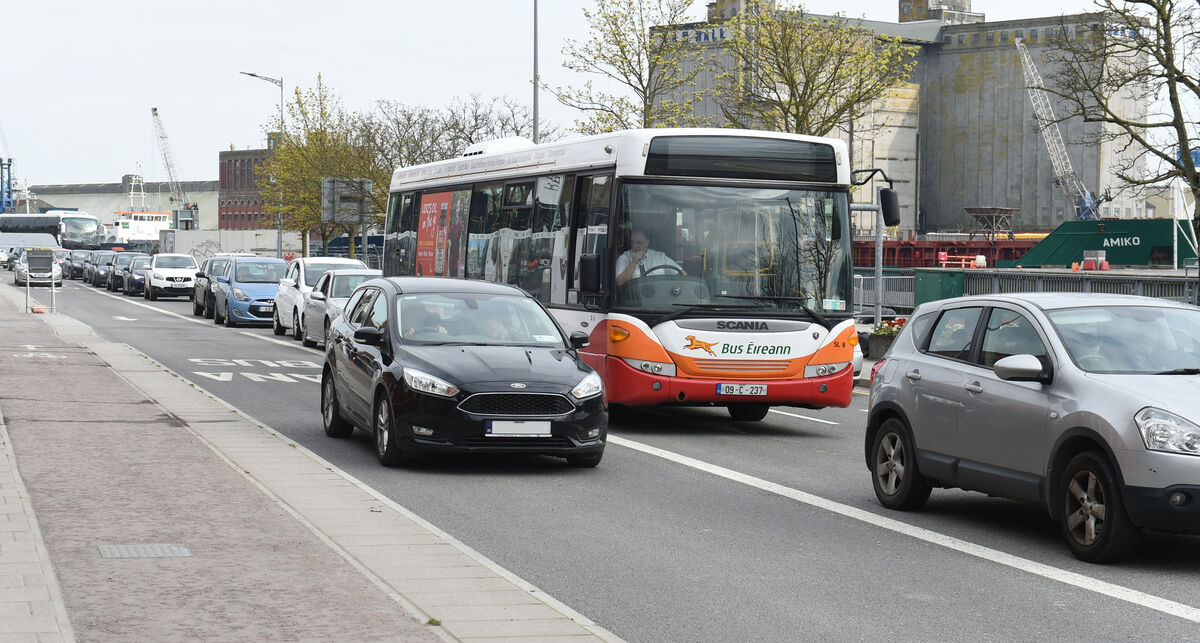
Admittedly, fixing things at this point is a far bigger affair than constant upkeep would have been — for decades on decades it has been all about the car.
Trying to fix a half century of bad policy within a relatively short timeframe is a tall order.
And here comes BusConnects Cork, over the horizon to try and sort things out, or at least drastically improve the situation.
Much has been said about the process, but the basics are simple.
There will be 93km of new bus and cycle lanes along key corridors. Road space will be reallocated to provide these bus lanes, including altering lane and on-street parking configurations. Buses will be more reliable as they spend far less time being stuck behind car traffic.
The overall quality of service improves, especially when coupled with updated bus routes, and dozens of new buses deployed across the city, and new bus shelters.
For many who never would have considered public transport a viable option, the bus becomes a quick, cheap option to get from A to B.
Even for those who can’t foresee ditching the car, increased reliability means more journeys can become public transport journeys.
Even as one neat encapsulation, the bus from Bishopstown currently takes in and around 30 minutes to get to town.
With the implementation of continuous bus lanes, it will take less than 20, but will rise to 40 if no action is taken — not to mention the actual reliability that will come when bus lanes guarantee no massive delays. That’s right, no more ghost buses.
As valid as many of the other criticisms can be, in most cases, they constitute a relatively minor alteration of garden walls, fully paid for by the National Transport Authority.
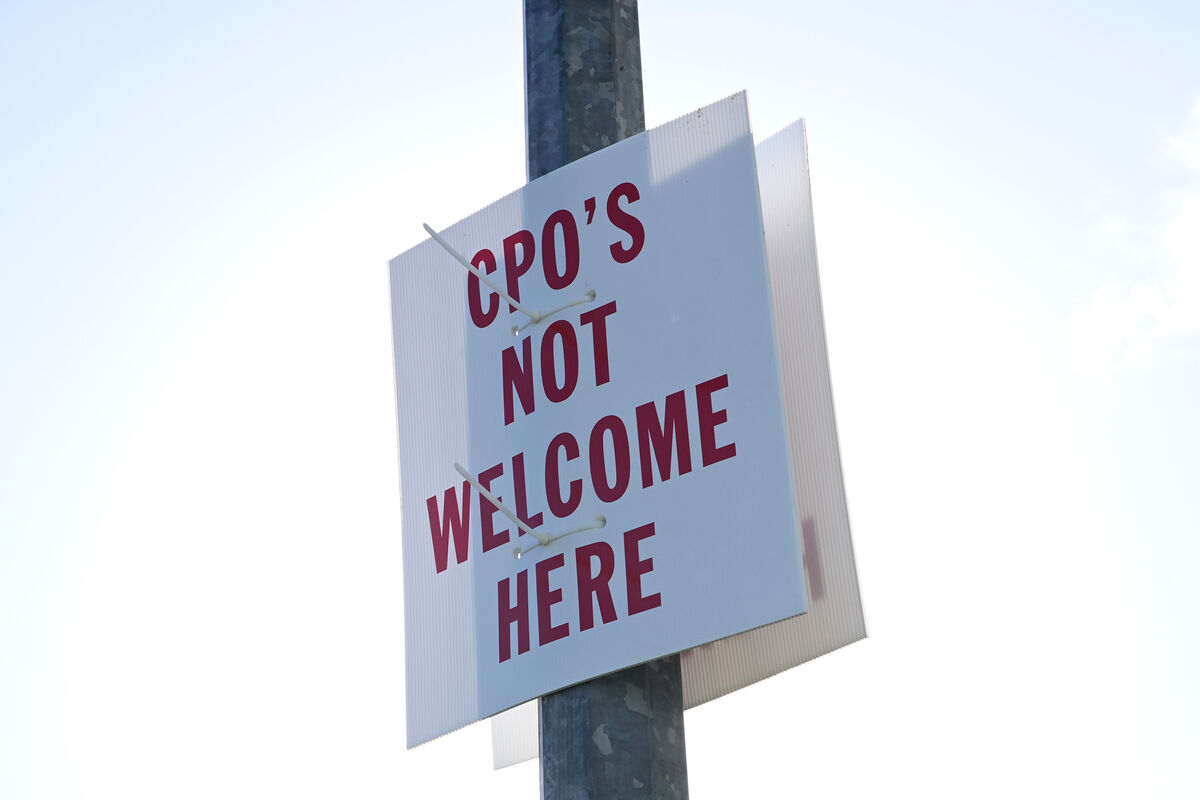
Those prize petunias aren’t getting churned up by the mixer, but moved a few feet.
But nonetheless, to everyone who will lose garden space — it’s unfortunate.
In an ideal world, there would be no conflict.
After public consultation in Dublin, trees were protected, the number of garden-related CPOs was reduced, all while reducing car congestion in some of the most critical areas through increased use of one-way systems and movement of parking to off-street — a feat that will doubtless be replicated here.
I’m no blind idealist in the transport decisions of the NTA or the Government (I’ve had many a conflict with both), and the BusConnects launch certainly could have been broached in a better way.
An office on Patrick Street, at minimum.
The all-but-revoked plan to route buses through Mangala Woods had all the finesse and Cork know-how of showing up to the project launch wearing a Kerry jersey, and undercut quite a bit of public confidence.
Even so, this scheme, if implemented in full, will positively impact all Corkonians, whether they are bus users or not.
There will doubtless be dozens of smaller areas which are changed and improved upon because of the input of ordinary people.
Traffic will be reduced, travel times (in bus and in car) will be slashed, and ordinary commuters will get hours of their lives back.
BusConnects has already begun to bear fruit in Dublin, where after lengthy engagement and consultation, the new revised routes have improved and simplified service.
Planning applications for corridors are going in as initial bus works have already begun to improve the system.
Other European cities have high-functioning bus systems. Cork is up to the challenge of surpassing them all.
- Ciaran Meers is chair of the Cork Commuter Coalition

CONNECT WITH US TODAY



Be the first to know the latest news and updates