Daragh Cassidy: Price hike predictable, but still painful
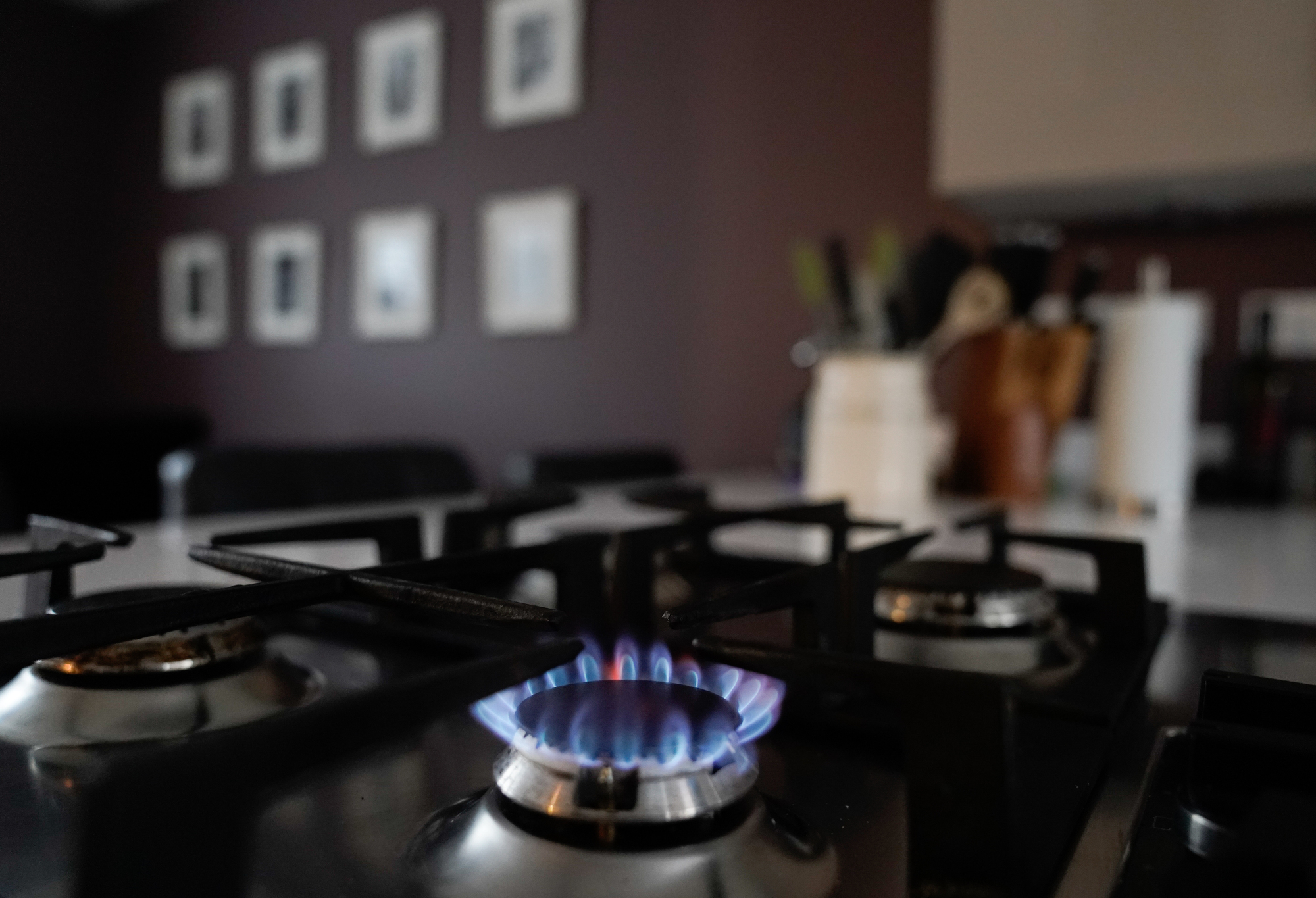
With the price of gas and electricity increasing, Darragh Cassidy writes that this winter will be an expensive one, but hopefully it will be a mild one.
The latest price hike from SSE was expected and follows price increases from many of the other energy suppliers in the Irish market in recent weeks.
However, the scale of the increase is unprecedented — the unit price of its gas and electricity are both going up by over 45%.
We are truly in an energy crisis the likes of which we haven’t seen since the ‘70s. And it’s likely to get even worse with more price hikes expected over the coming months.
SSE’s price hike will add almost €600 a year to the average customer's electricity bill and over €500 a year to their gas bill.
However, SSE only last raised its prices in May. And it raised prices three times in 2021.
When all these price increases are taken into account, the average SSE customer will be paying over €1,000 more for their gas and around €1,100 more for their electricity each year.
That’s over €2,100 a year extra that households have to find from somewhere.
It’s not just households that have to worry. Some businesses, particularly energy-intensive ones, are going to be crippled by soaring energy costs. And as we use energy to produce so many things, this will feed through into further price increases in many other sectors, in particular the food sector where inflation is already approaching 10%.
On top of all this, we have a threat of blackouts this winter as electricity demand struggles to keep up with supply.
The Government has some serious thinking to do when it comes back from its summer recess.
It cannot fully protect us from the global energy crisis but there are several things it can do to lessen the impact.
It should immediately commit to keeping the 9% rate of Vat on gas and electricity and if possible reduce it even further. Energy is not a luxury good. Why should the Government be adding to the cost burden of people heating and lighting their homes when prices are at record levels?
Another energy credit will have to be paid, far in excess of the previous one for €200.
Businesses will need targeted support as will those on social welfare.
The Government should also investigate a windfall tax on the energy industry. However this won’t be the easy solution many in the opposition seem to think it is.
Almost all the ‘obscene’ profits in the energy industry right now are being made by companies like Shell, BP, Russia’s Gazprom, and Saudi Arabia's Aramco.
These are the companies which actually extract fossil fuels such as oil, gas and coal from the Earth and refine it for use by energy companies to supply gas and electricity to people’s homes.
However, these are not Irish companies. We can't go after another country's money.
They’re making money by extracting gas, oil and coal in other countries' territories, making the money more difficult to go after.
The UK has placed a 25% windfall tax on energy companies operating in its territory — but it will only apply to the profits made by companies from extracting UK oil and gas (only around one tenth of BP’s profits come from selling UK oil and gas).
However, it still expects the tax to raise around £5bn.
So what the Government could do is look at placing a windfall tax on the profits of the owners of the Corrib gas field off Mayo, which supplies around 25% of Ireland's gas.
However, our gas reserves are only a fraction of the UK's, so there'll be no huge windfall. But it could help.
In the medium term, the Government should investigate why electricity here costs over 50% more to generate than the EU average.
A liquefied natural gas import facility should also be developed to help guarantee our future energy security.
In the meantime, households can do three things to lessen the impact of rising prices:
- Switch supplier. There are still good discounts of up to 40% or more available to new customers. This will take some of the sting out of rising energy prices.
- If you have a night saver meter or a smart meter, see if you can move your energy use to times when it’s less expensive.
- Look at ways to reduce your energy consumption if possible. The SEAI has some handy tips.
It’s going to be a very expensive winter.
But hopefully, for everyone’s sake, it’ll be a very mild one.
CONNECT WITH US TODAY



Be the first to know the latest news and updates