Nadia Dobrianska: It's striking to see an Irish person advocating the partition of Ukraine
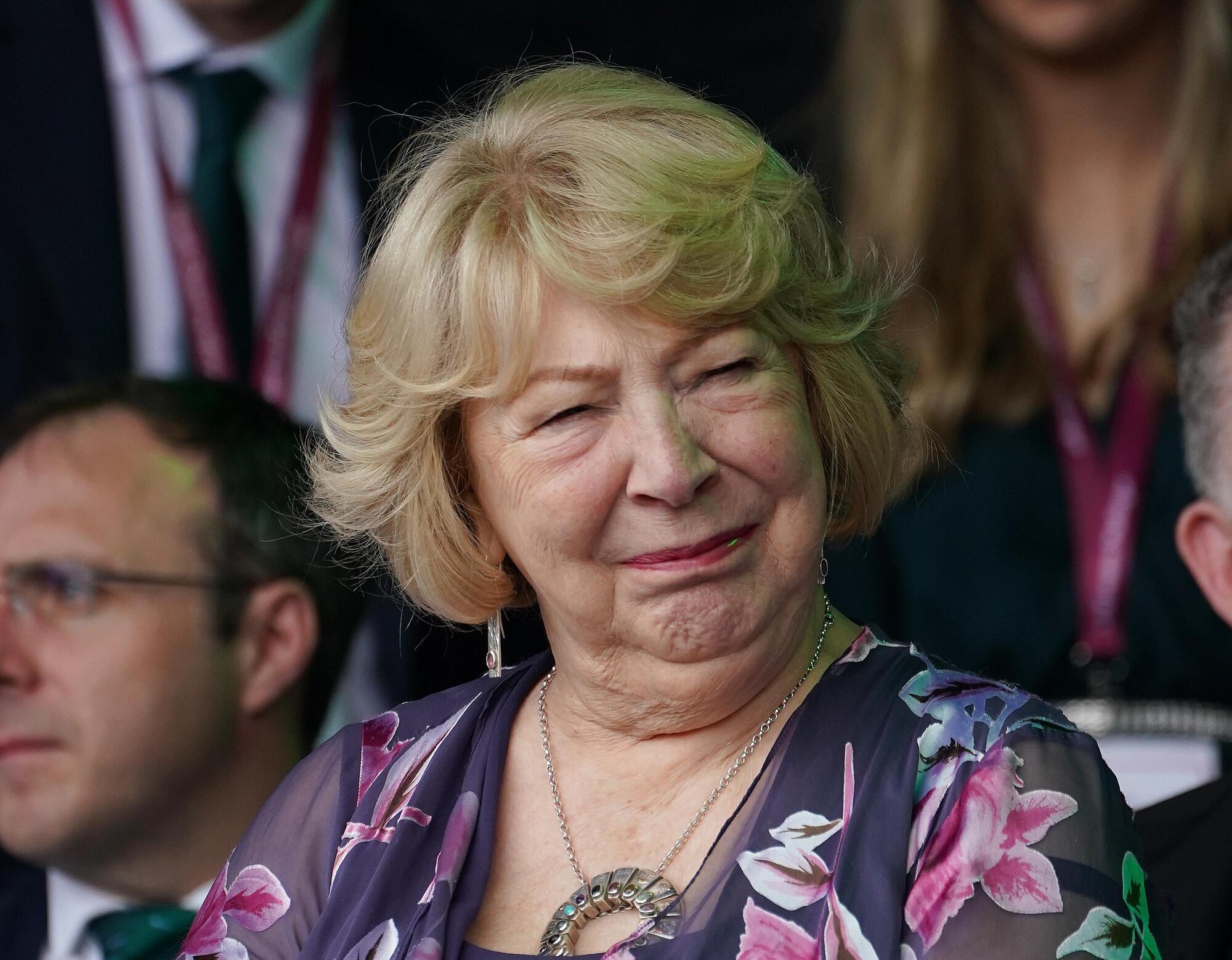
Sabina Higgins at the recent official opening the Fleadh Cheoil na hEireann in Mullingar, Co. Westmeath. Picture: Brian Lawless
The controversy over the letter by Sabina Higgins to the ‘War in Ukraine: a moment of moral choice’ (27 July 2022) is receding after An Taoiseach Micheál Martin offered reassurance that Ireland’s position is that Russia must withdraw from the territory of Ukraine. The whole situation highlighted the glaring gap between what Sabina Higgins thinks will stop human suffering and Ukrainian understanding of the steps necessary to achieve the same.
Sabina Higgins wrote that a peace settlement with Russia will save lives, lessen suffering and enable reconstruction. Although she did not suggest what the subject of peace negotiations should be, she recommended an article by Geoffrey Roberts in the ('Ukraine must grasp peace from jaws of unwinnable war').
Sabina Higgins wrote that this was a ‘deeply concerned and well-thought' article which called for peace negotiations. She makes no reservations as to the Geoffrey Roberts' argument that Ukraine should make territorial concessions to Russia for the sake of peace. Effectively, Roberts’ article called for the partition of Ukraine.
Historical arguments aside, the idea that territorial concessions to Russia will help stop the human suffering of Ukrainians rests on a flawed premise that human suffering is caused by warfare only. Hence, the idea that stopping the fighting for the territories stops suffering. This completely ignores horrific human rights abuses that Russia is committing on those under occupation.
The international community has shied away from gross human rights violations in the Crimea since Russia annexed it. Russia has been conducting enforced disappearances, suppression of free media, political trials based on false accusations and the prosecution of activists and defence lawyers since 2014. Russia-controlled parts of the Donetsk and Luhansk regions were characterized by lawlessness and the disappearance of human rights. As of 2021, there were 160 illegal facilities where civilians were arbitrarily detained and tortured. The most famous of them is ‘Isoliatsiya’ (‘Isolation’). Ukrainian journalist Stanislav Aseev wrote about his abduction and torture in his book 'In Isolation'.
Russia’s brutality towards Ukrainians in the occupation is not coincidental. It is part of the strategy to eliminate Ukraine as a separate nation. In his program speech before the full-scale invasion, Putin called Ukrainian identity an artificial creation.
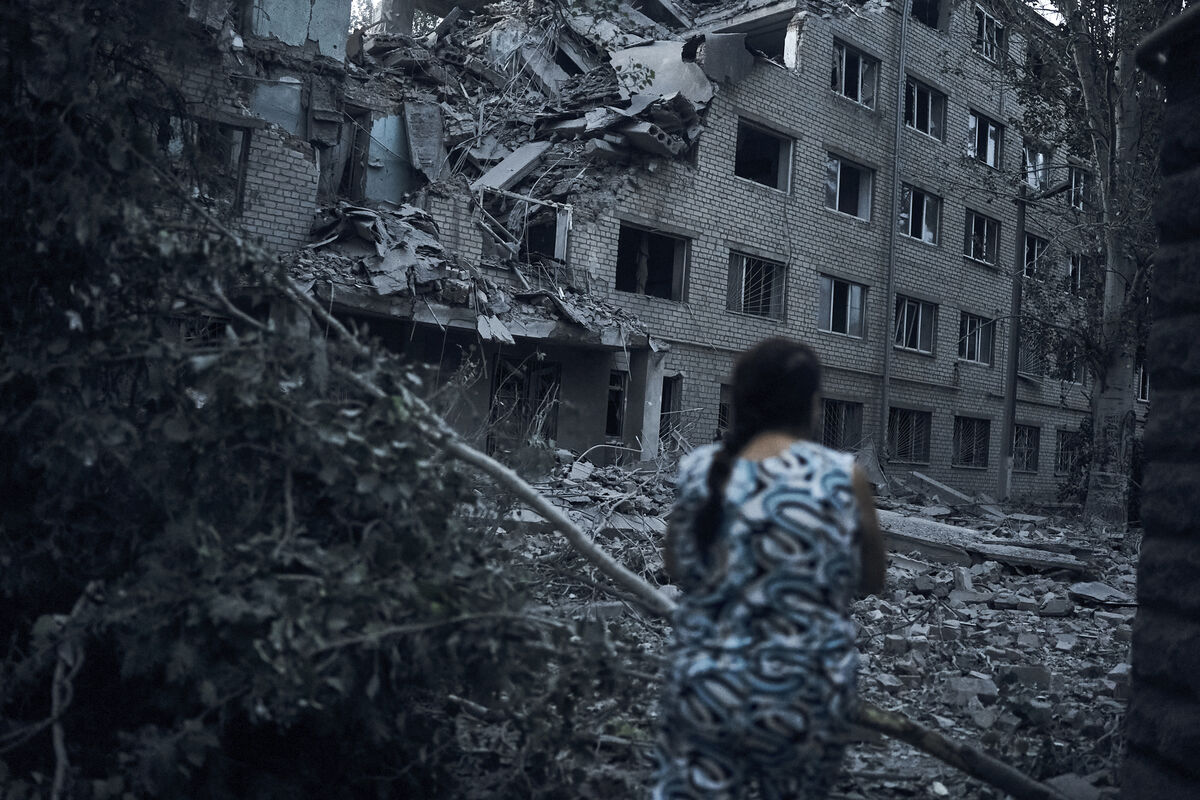
With the Russian invasion of Ukraine in 2022, the same playbook of atrocities is used. But now it happens on a much bigger scale in the occupied parts of Kherson, Zaporizhzhia, Kharkiv, Donetsk and Luhansk regions. The horrors of Bucha and Irpin where hundreds of civilians were executed are only the tip of the iceberg of what Russian forces have done in the formerly occupied North of Ukraine that they were forced out of in spring 2022. According to the Vice-Prime-Minister of Ukraine Iryna Vereshchuk, as of June 22, 2022, more than 1500 civilians were forcefully disappeared by the Russian military throughout all occupied territories.
Ukrainian human rights defenders identified 23 prison camps where the disappeared Ukrainians are held. Most of these prisons are on the occupied territories of Ukraine, others are in Belarus and Russia. Olga Leha, whose husband was abducted delivering humanitarian aid to Mariupol, was detained in the prison camp in Olenivka near Donetsk for three months. Olga described the inhumane conditions of her husband’s detention and her own torment while he was in captivity in a recent interview with RTÉ Raidió na Gaeltachta.
Ukraine is fighting to expel Russia from its territories not merely for the sake of restoring its territorial integrity, but for the sake of Ukrainians living there. If the Ukrainian army was not fighting in the Kyiv, Chernihiv and Sumy regions, the Russian army would have never have withdrawn from there. The longer Ukrainian territories remain occupied, the more Ukrainian adults and children suffer from Russian atrocities and human rights abuses.
There was ample evidence beforehand of the mistreatment of these prisoners and of the particular hatred shown by the Russians to Azov regiment members.
I completely share Sabina Higgins’ desire to end this war and bring peace, as do all Ukrainians. However, calling for peace at the cost of territorial concessions while Russia is committing abuses in the occupied territories is to turn a blind eye to the realities of occupation. I hope that peace advocates like Sabina Higgins will step in to condemn atrocities against the Ukrainian civilians under occupation. Russia is holding more than 1500 civilians hostage in prison camps. Peace advocates could call for their release using their strong international standing. This is the human suffering that will linger if Ukraine gives up the occupied territories. Peace advocates have to care for their plight no less than those civilians living on Ukrainian-controlled lands.
Russia must be called upon to uphold its duty as the occupying power under international humanitarian law and stop terrorizing the Ukrainians under occupation. Peace advocates around the world could and should do that. And in the meantime, Ukrainian armed forces will do their part to stop their suffering by expelling the Russian army from Ukraine.
CONNECT WITH US TODAY



Be the first to know the latest news and updates