Dr Eoin Lettice: Meat and dairy are inefficient means of food production
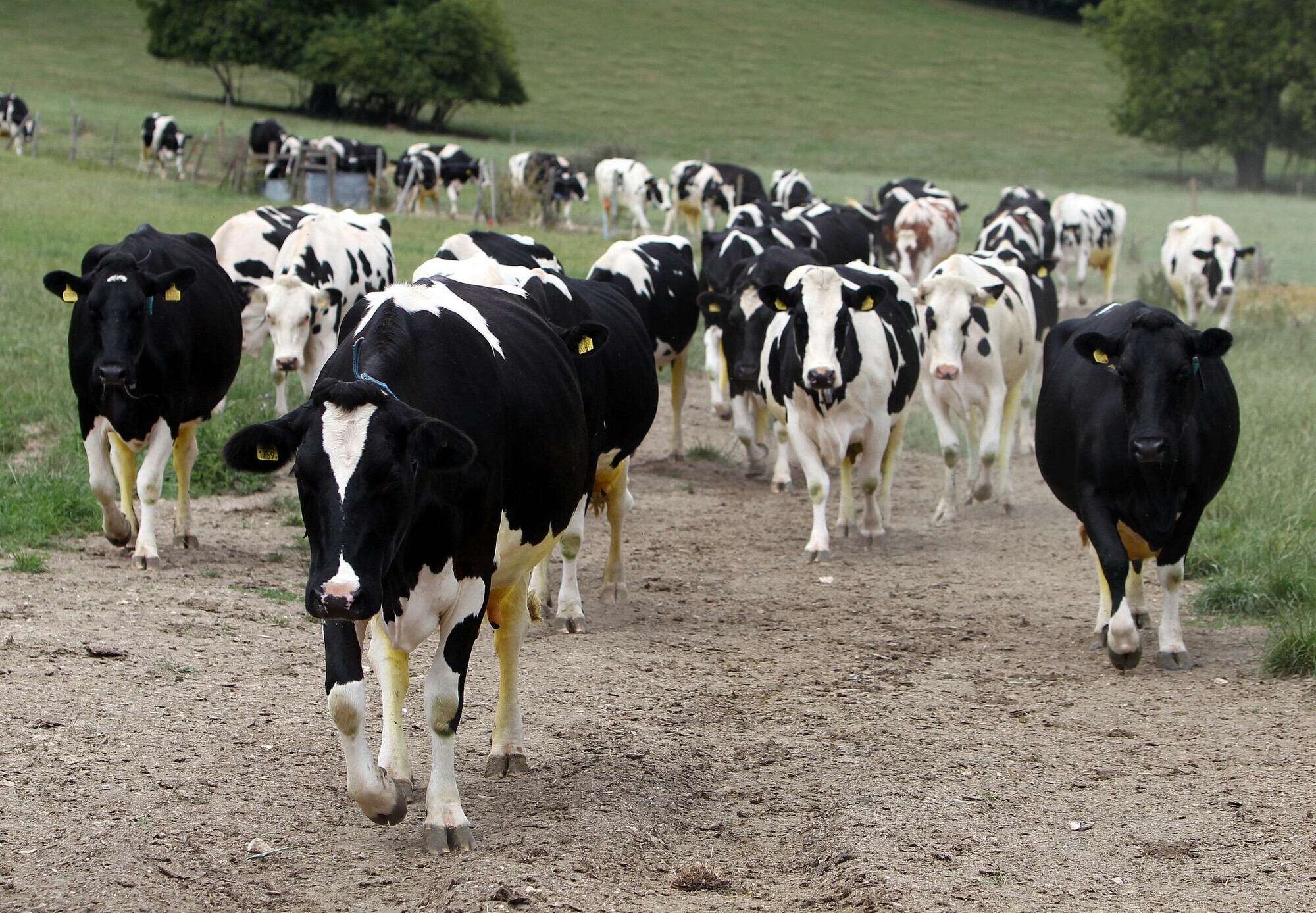
Irish agriculture, given its relatively compact scale on the global scene, has an opportunity to lead the world and be a model for best practice for the conversion from a beef/dairy-dominated model to a truly sustainable mixed farming model.
Food production is at the heart of the climate change conundrum.
Greenhouse gas emissions from agriculture in Ireland represent 37.5% of our total emissions, according to the latest EPA figures. Regardless of the compromises reached in the current Government negotiations, it is simply not viable then to suggest that agriculture should not bear a correspondingly significant proportion of the emissions reductions to meet the Carbon Budget for 2021-2025 and beyond.
As was made clear at Cop26 in Glasgow and since, every sector must deliver emissions reductions if we are to get anywhere close to meeting targets for a sustainable future. These targets are not arbitrary. They are designed to mitigate the almost unimaginable global consequences of climate change run riot.
Of course, food security rightly has a place in the discussion. It is projected that the global population will top 8bn in 2022 and we must ensure zero hunger, one of the UN Sustainable Development Goals, becomes a reality and does not remain just an unfulfilled goal.
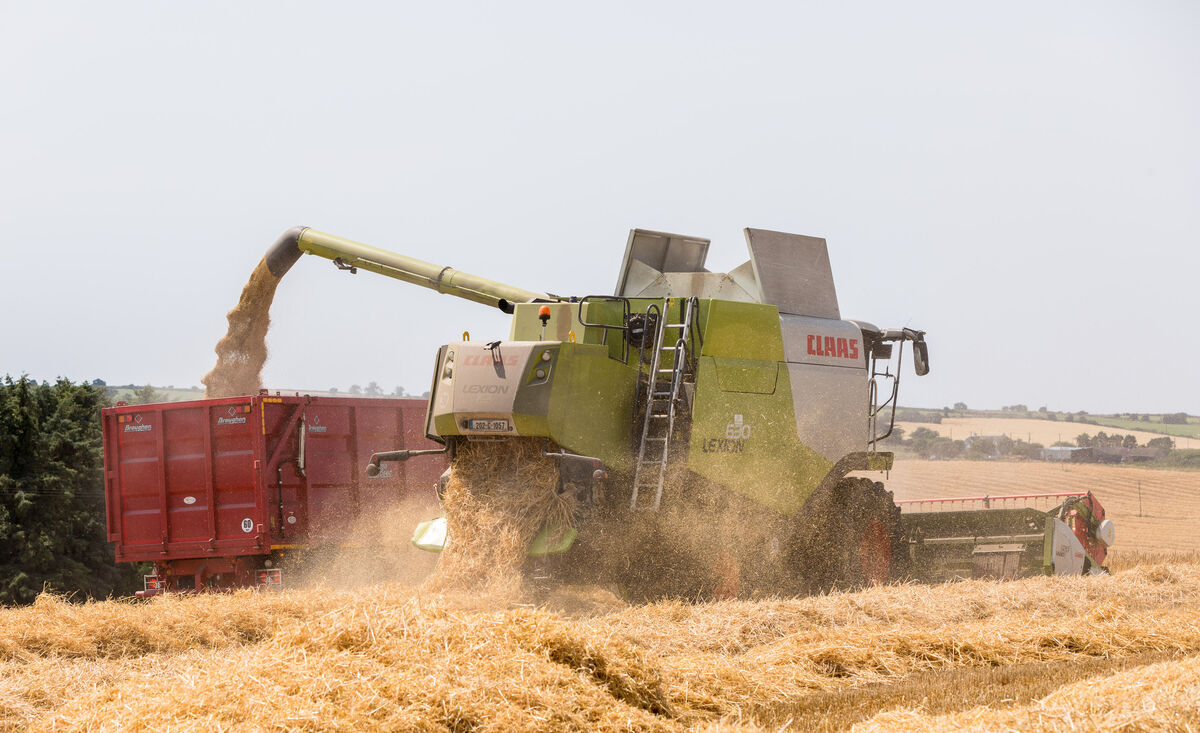
One could point to the Global Food Security Index in which Ireland regularly performs well — first place in 2021. Is this demonstrable proof that Irish agriculture is sustainable? I'm afraid not.
Dairy and beef account for two-thirds of Irish agricultural output and 90% of our food and drink production is for the export market. At the same time, events in Ukraine indicate just how vulnerable we are to global events.
Global food insecurity will not be resolved by Irish meat and dairy exports, which mainly go to richer countries anyway. The United Nations Food and Agriculture Organisation (and many similar organisations) have been clear that the key to securing food supplies globally is supporting small, family farms in specific countries at risk.
Meat and dairy is just an inefficient way of producing calories, with 83% of farmland and 60% of greenhouse gas emissions globally coming from their production despite accounting for just 18% of calories and 37% of protein produced.
Global farmland expansion is driven by demand for more space for meat and dairy production — and the crops that feed these animals — resulting in the loss of natural ecosystems and a biodiversity crisis that rivals climate change as the global existential emergency of our age.
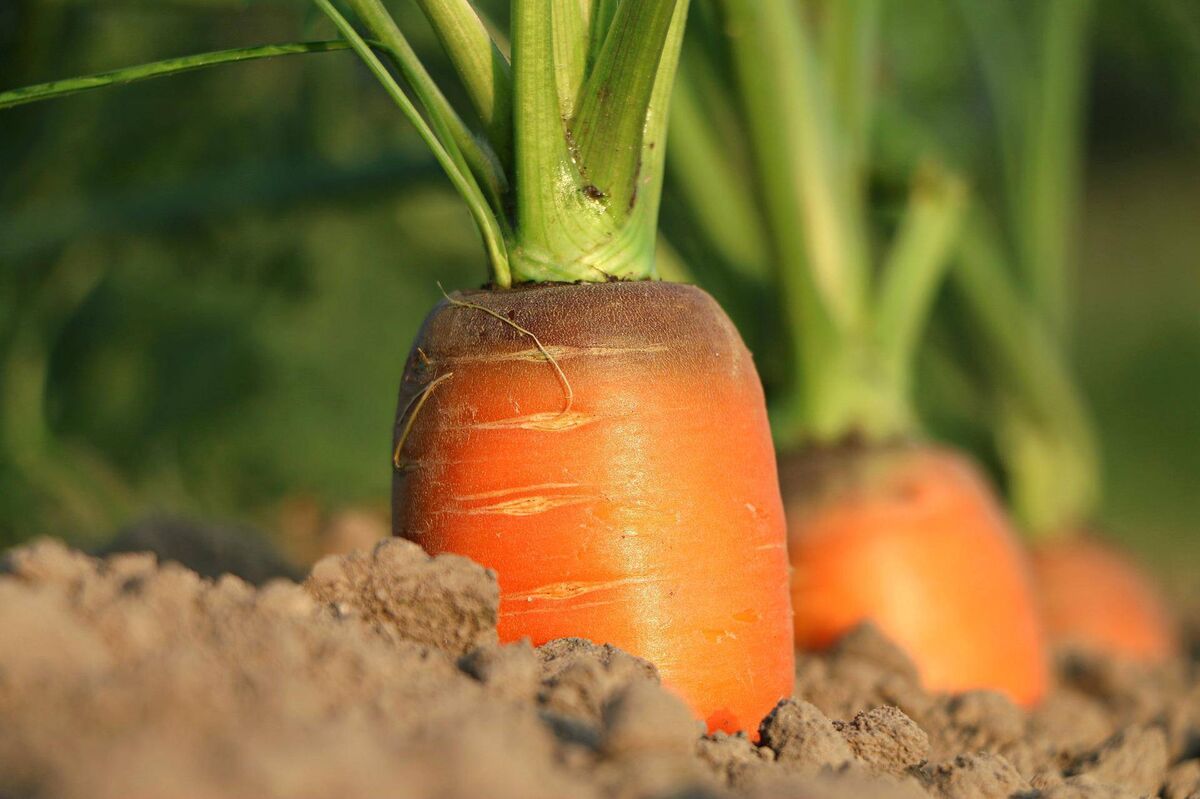
Meanwhile, the Irish horticulture sector is at risk of stagnating due to successive government decisions to focus on beef and dairy. This is despite horticulture being one of the most environmentally sustainable sectors of Irish agriculture.
The Central Statistics Office estimate that Irish agricultural output in 2021 was worth about €10bn. Just €371m of that was accounted for by plant-based foodstuffs and most of that is consumed domestically.
As consumers, it's up to all of us to rethink our relationship with meat-based foods. Are our own diets environmentally sustainable?
At a national level, we need to consider whether the lucrative income derived from exporting products which are environmentally unsustainable in their current forms is worth the consequences of our actions. The fact that we do so more sustainably than others does not make it all okay, despite how often this is used as a defence by vested interests.
A lower emissions reduction — of about 22% — is being billed as a win for Irish farmers. Not desirable at all from the sector's point of view but as far as they can and should be expected to go, according to some farming leadership. The question is, what if they get what they want and we don't meet our carbon budget targets?
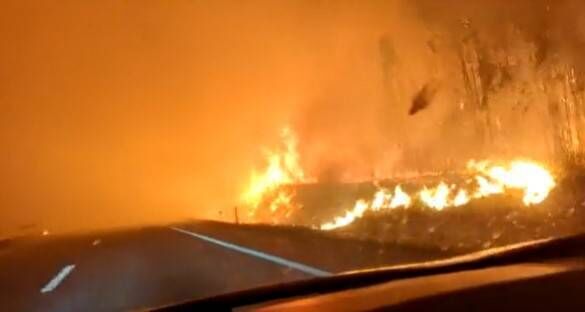
Across the whole economy, failure like this will commit us to dangerous levels of warming in the decades ahead. Extreme weather events like we are seeing now will seem trivial compared to what comes next, and agriculture will be one of the first sectors to suffer.
Irrigation during the summer for many crops will become routine and hard decisions will be required as to who needs scarce water the most: domestic users or farmers. The varieties and types of crops we grow will necessarily change radically just to keep crops alive in the field.
The population size and geographical distribution of agricultural pests and diseases will also be driven by climate change. Novel control measures for these organisms will be required just to maintain current yields.
And what of meat and dairy? Already recognised as a relatively unsustainable method of food production, this will only get worse as the years progress. Technological solutions suggested as silver bullets in 2022 will go the way of most speculative technological solutions: some just won't work and those that do may work to a limited degree.
Ireland will end up like the oil-producing countries of 2022 — peddling a product that it knows to be unsustainable but ultimately lucrative for the economy.
Irish agriculture, given its relatively compact scale on the global scene, has an opportunity to lead the world and be a model for best practice for the conversion from a beef/dairy-dominated model to a truly sustainable mixed farming model.
We can genuinely improve our own domestic food security while meeting our climate commitments. Nobody is saying it will be easy. Nobody has all the answers but our political and farming leadership have an opportunity to be world leaders here.
The claims of exceptionalism from Irish farming leadership must end. They do a disservice to a sector that will be on the frontline when it comes to the consequences of climate change.
- Dr Eoin Lettice is a plant scientist at the School of Biological, Earth and Environmental Sciences and the Environmental Research Institute at University College Cork. He was a member of the UCC delegation at Cop26 in Glasgow in 2021.

CLIMATE & SUSTAINABILITY HUB
CONNECT WITH US TODAY



Be the first to know the latest news and updates