Dearbhail McDonald: Rapists think they can get away with it — because most of them do

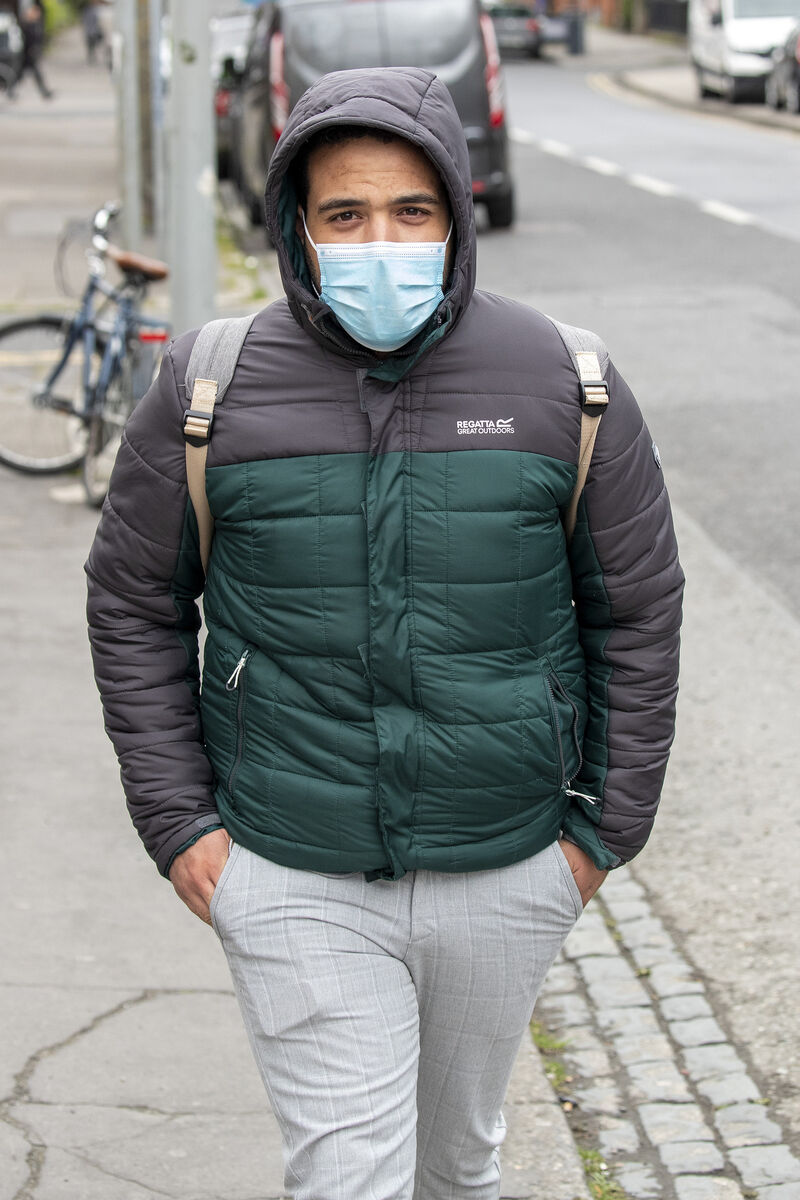
Marcos Vinicius De Silva Umbelino, aged 22, of Riverview, Kilbeggan, Co Westmeath, was sentenced to 15 years in prison for his part in the gang rape of a 17-year-old girl in the Midlands. Pictures: Collins Courts
What were they thinking? As they drove around in their souped-up VW Passat in the early hours of the morning, leering at passers-by, what were the five young men sentenced this week for their part in a horrific gang rape in the Midlands thinking?
What was going through their minds when the then group of 17-19-year-old friends enticed a 17-year old girl into their car, subjecting her to a horrific ordeal of vaginal and oral rape, and allowing her nightmare to be filmed on a camera phone before abandoning her to her fate?
What were these boys thinking when they “acted like animals” and engaged in what trial judge Ms Justice Tara Burns described as “absolutely shocking” depravity?
Where did that orgy of objectification and sexual degradation, or those notions of abject misogyny and unbridled impunity, come from?
Handing down a combined prison term of 66 years, Judge Burns, a forensic and formidable barrister specialising in sexual offences before her appointment to the bench, said the victim was entitled to assume that society works in some civilised fashion where there is respect for a female.
We all are.Yet, in a week that saw a vile video assault mocking murder victim Michaela McAreavey, and the conclusion of the Johnny Depp/Amber Heard defamation trial that unleashed a tidal wave of misogyny across the globe, we need no further reminders that society is not working for women and girls.
Judge Burns was lauded for her sense of outrage by groups including the Dublin Rape Crisis Centre, which said the judge sent out a strong message that this type of depravity is entirely unacceptable and will attract severe sentences.
However, with 20 years under my belt of covering rape and sexual assault trials, and writing about the annual €4bn cost — and the unquantifiable emotional toll — of gender-based violence in Ireland, I’m weary
Yes, if a victim of sexual violence survives the arduous journey from reporting to trial and on to a successful guilty plea or conviction, we do have a strong if imperfect sentencing regime.However, if perpetrators such as these boys act with a sense of invincibility, it is because the underlying, toxic culture of impunity has yet to be seriously challenged — let alone shattered.
If anything, I fear that the tide is turning once again and more severely against women, despite — or perhaps because — of movements such as #MeToo and #Repeal.
Thankfully, the vast majority of sexual assault and rape cases do not fall under the gang rape or “stranger danger” umbrella. However, even though perpetrators are mostly known to their victims, the vast majority of sexual assault and rapes are not reported to gardaí. Even where they are, there are appallingly high levels of attrition, or dropout of cases, before they reach our courts.
The treatment of complainants is ripe, as ever, for reform.
In her ruling, Judge Burns paid tribute to the men’s “gracious and respectful” defence barristers who had carried out the cross-examination of the young woman in the least confrontational manner while doing the job they had to do.
Judge Burns remarks were remarkable, precisely because that is not always the case.
I’ve witnessed first-hand victims of sexual violence being subjected to ferocious attacks on their credibility and sexual history by hostile counsel and indifferent or arrogant judges.

This secondary victimisation occurs as the complainant relives their trauma in the presence of their abusers, underscoring the need for reforms including mandatory, specialist training for the legal profession and gardaí.
Despite a doubling in the number of reported sexual offences over the last decade, the shocking reality is that the vast majority of abusers will never be held accountable.
The real message, then, is one of impunity.
However, criminal law and policy, including sentencing, are only the tip of the iceberg.We will only eradicate the pandemic of sexual violence when we tackle the culture, attitudes and beliefs that contribute to an environment where sexual violence thrives.
Next year's publication of CSO survey data will go some way to capturing the prevalence and experience of sexual violence in Ireland. However, we also need to routinely capture societal attitudes, including on issues such as consent, if we stand any chance of changing the culture and informing world-class policies and procedures.Education is key. We can no longer ignore the need to embed comprehensive sex education and healthy relationship programmes into our school curricula, as well as educating the broader public.
The cost of not doing so is the real depravity.
It’s what leads to five young men, careering around town, confident that they can commit a gang rape and record it for posterity.
What were they thinking? That they would probably get away with it.
Why would they think that? Because most abusers do.
- Dearbhail McDonald is an author and broadcaster and co-founder of the Equality Expert Group.
CONNECT WITH US TODAY



Be the first to know the latest news and updates