Dr Catherine Conlon: Are we ignoring a major cause of mental illness in young people?
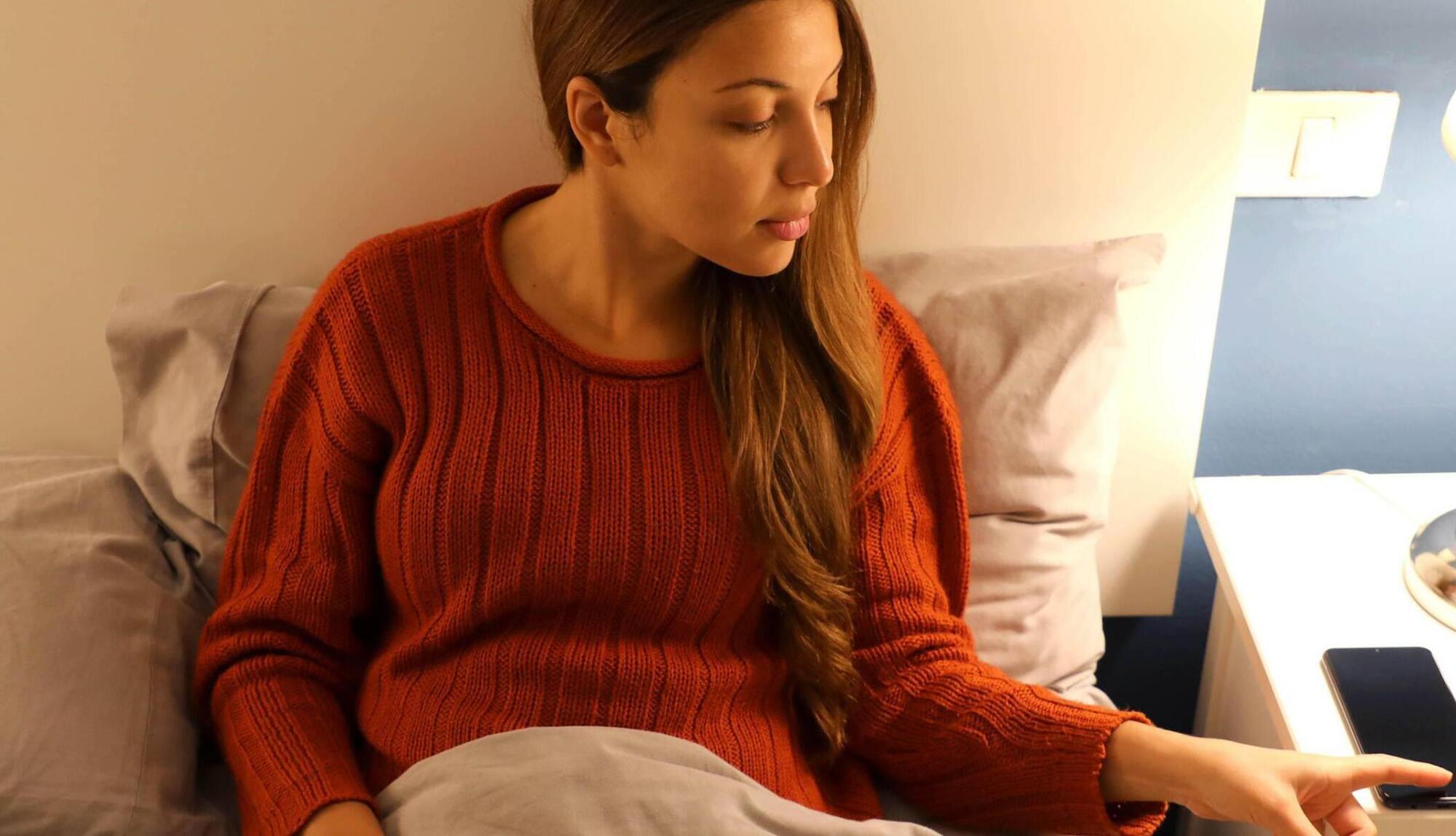
The proliferation of smartphones has been a 'wrecking ball' for teen sleep.Â
Climate change, a pandemic, addiction to social media, the housing crisis, recession, precarious employment, and war in Europe are just some of the issues facing young adults growing up in Ireland since the late 1990s.
The next chapter of a nationwide study that has been tracking the same cohort of young people since 2007, will ask thousands of 25-year-olds to shed light on the lived experience of Generation Z.
The next round of interviews, scheduled for 2023, will gather a wide range of experiences of these young people as they transition into adulthood, focusing on education, work, physical and mental health, relationships, and wellbeing.Â
It will offer insights into young people’s lives and key influences that have hindered them on the way.
The most recent evidence from the national longitudinal study of children reported key findings around screen time and sleep.Â

The report advises that adolescents are recommended to have eight to 10 hours of sleep each night, while seven hours or less is insufficient.
The study found that average sleep duration was 7.8 hours, with almost one in 10 reporting seven or fewer hours of sleep per night and about a third (30%) acknowledging they have trouble sleeping.Â
Screen time was more than three hours on school days for almost a third (32%) and the vast majority (82%) reported regular messaging friends before bed, or regularly surfing the internet before bed (83%).
Similar evidence came from the University of Glasgow in 2019, where teenagers using social media for three or more hours had problems falling asleep, and heavy social media users (more than five hours a day) were more likely to wake up throughout the night and have trouble getting back to sleep.
No one questions the importance of sleep for babies and young children. However, teenage brains are changing and growing at an equally rapid rate.Â

One factor to consider is the amount of homework students get at night, even though research suggests that more than one hour of homework only adds to anxiety and has no intellectual benefit.
Teen mental health is a major concern for parents.Â
Heather Turgeon and Julie Wright — in their new book  — suggest that we are ignoring a major cause of mental ill-health in teens.
No group has ever slept as little as 21st century teens.
The authors quote US data, stating that 70% of young kids get healthy sleep, but by the time they reach their senior year, only about 15% get enough sleep.Â
The average high-school teenager sleeps 6.5 hours a night when they optimally need nine, and one in five teens sleep five or fewer hours a night.Â
This data suggests that many young teenagers are living in a state of severe and chronic sleep debt.
Studies linking sleep loss and poor mental health are widespread.Â
Sleeping five hours a night made them almost twice as likely (81%) to consider self-harm.
The authors report that lack of sleep is implicated in almost every psychiatric diagnosis — confirmed by changes in brain imaging studies.Â
Rather than treating the evidence with scepticism, they ask the question: How could we expect this level of sleep deprivation not to deepen the cracks in adolescent mental health?
The authors state that the proliferation of smartphones has been a "wrecking ball" for teen sleep.Â
Some of the worst sleep stealers are Meta, YouTube, TikTok, Apple, and other companies that specialise in creating addictive technologies designed to infiltrate teen life.Â
Teenagers, instead of bedtime reading, are devouring their phones, and tucking devices under their pillow when they close their eyes.

These findings confirm what Jean Twenge, one of the foremost experts on generational differences in youth, wrote in The Atlantic in 2017. She noted that young people born between 1995 and 2012 showed remarkable differences from the generation that preceded them.Â
Rates of teen depression had skyrocketed, with much of this seemingly due to a massive increase in anxiety disorders.Â
The defining trait of the groups she calls ‘iGen’ is that they grew up with iPhones and social media. She suggests that they are paying a price for this distinction with their mental health.
The authors of  suggest that, rather than being inescapable, we have the tools to solve this. Unlike other major causes of teen anxiety such as global warming, the Covid-19 pandemic, disconnection, and loneliness, the sleep problem is readily fixable.
These solutions cannot be fixed immediately but parents can protect sleep time — starting right now.
The evidence shows that family rules around sleep routines show a range of positive outcomes.Â
A study of 15,000 secondary school students found that those in bed before 10pm were almost one quarter (24%) less likely to have suicidal ideation than those who went to bed after midnight.
Three of my own children were born post-1995 — the ‘iGen’ generation or Generation Z.Â
It now seems that one of the most important things I have ever done for them, although it was intuition rather than science, was to confiscate all phones and turn them off every night at 10pm.Â
Later, when they went to college, they made up their own minds. Perhaps they had developed a modicum of common sense by then.
For me, the concept of having a phone ready to beep at any point during the night is far too reminiscent of being on call for 48 hours on the trot during my days as a senior house officer in Cork and Kerry hospitals.Â
It is also almost the only piece of armoury I need to face the inevitable ups and downs of life.
The evidence is clear. For many teenagers, their outlooks will brighten and their stress will subside if they win back precious hours of undisturbed sleep and cut down on social media.
- Dr Catherine Conlon is senior medical officer in the department of public health, St Finbarr’s Hospital, and is Safefood's former director of human health and nutrition.