Considering cheaper electricity at night? I could have paid the price for it with my life
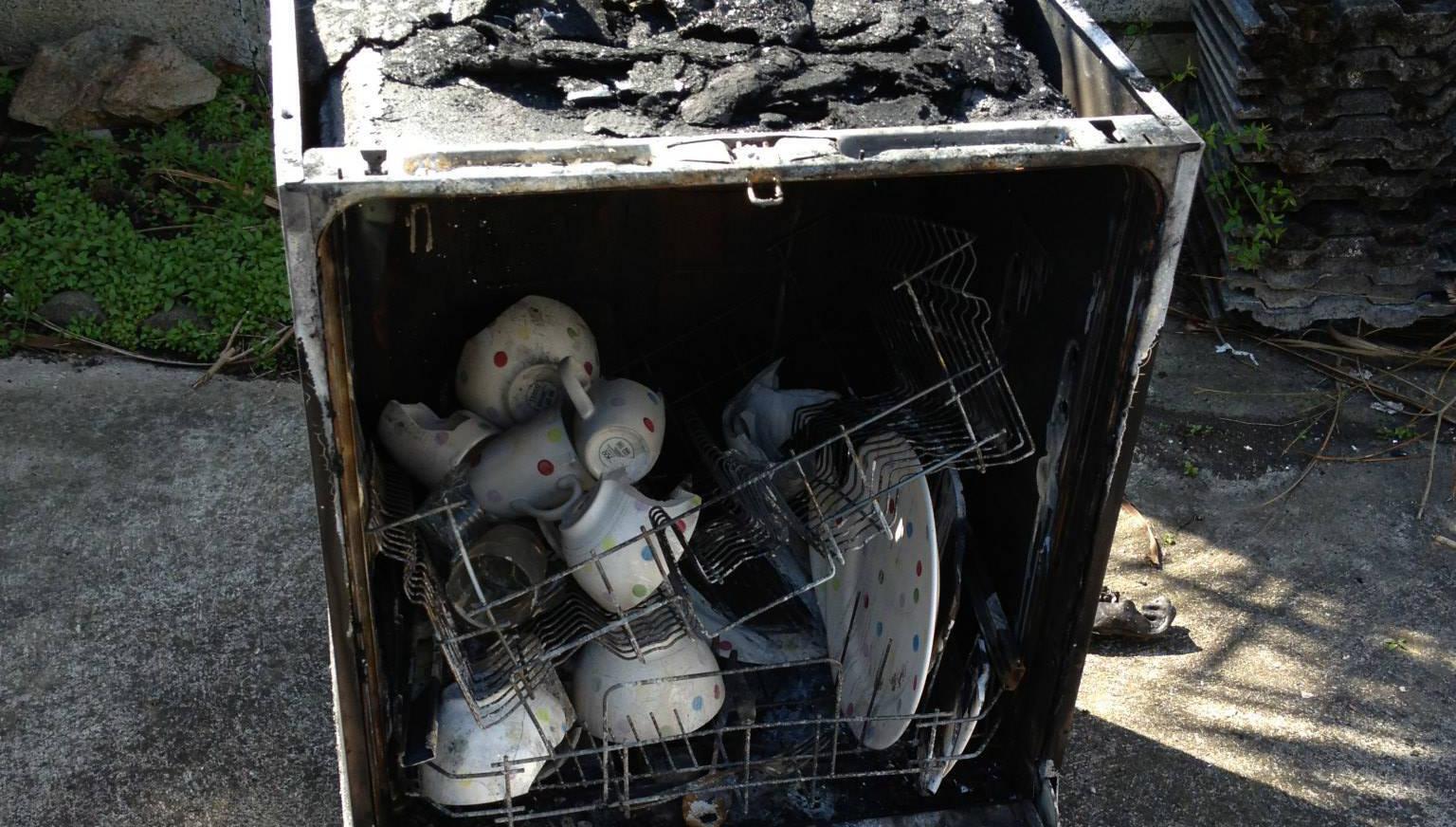
Jen Keane turned on her dishwasher and went out to visit a friend, returning home to utter devastation after the appliance caught fire, destroying her home. But it could have been so much worse...
Considering cheaper electricity at night? I could have paid the price for it with my life

Jen Keane 's house suffered extensive smoke and fire damage after her dishwasher caught fire.

With energy costs soaring, and news of many electricity suppliers significantly increasing their charges in the coming weeks and months, there has been a surge of articles about how to save money on our bills, including the advice repeated by many that we should run things in the evening to avail of cheaper rates. 

Every time I see someone suggesting this I look to see if they’ve included the relevant disclaimers, the notes of caution that should accompany this advice, but I’m always disappointed. This advice is not just incorrect, but may even be dangerous.

People have long held, and often repeated, the idea that electricity is cheaper in the evening, but if you dig into the specifics of your electricity plan, you may be surprised to find that this is rarely true. 

You can only save money with cheaper night electricity if you are on a smart meter and a smart meter tariff, or if you are specifically on a day/night tariff. Otherwise, it doesn’t matter when you use electricity, every unit is the same price, all day and night.

If you haven’t shifted to a smart metering tariff, or haven’t had a NightSaver meter installed, you simply can’t (and won’t) be charged different rates for evening electricity. If you have never investigated the specifics of those plans, you might also be surprised to find what your electricity company considers to be “the evening”. 

The heat generated by the dishwasher melted my new fridge, melted glasses inside the dishwasher, and scorched the counter it was under. It melted the microwave on the counter above it, and melted and mangled the plug and cable behind the dishwasher.

Day, as far as electricity providers are concerned, ends anywhere between 11pm and midnight, depending on whether we’re on summer time or winter time. The evening is, in fact, very late at night indeed, so unless you’re running things between 11pm and 8am, you will not be getting a cheaper rate.

Also, the day rates associated with these tariffs are usually more expensive than standard 24-hour day rates, so if you can’t commit to running a lot of your appliances in the “night” part of your 24 hours, you may end up with a more expensive bill after a switch.

Before you commit to switching and running your appliances at night, I want to share the notes of caution that I have missed in these other articles. Unless you stay up late or get up early to supervise, you are taking a risk in running appliances overnight. 

Dublin Fire Brigade has repeatedly warned that appliances such as washing machines, dishwashers, and dryers should not be run while you are sleeping, and sadly, I have some personal experience with what can go wrong if you do.

One evening, in May 2013, a friend called me and asked me to come out to visit. Because of that, I changed my plans — I put my glass in the dishwasher, turned it on, and went out, rather than turning the dishwasher on and going to bed. This decision turned out to be a lifesaving one, because less than an hour after I turned on my dishwasher, it had filled my house with thick black smoke, melted other appliances with the heat, and destroyed the inside of my home.

My ringing house alarm alerted my neighbours to something wrong, and they rang the fire brigade, and I got a call from my mum to tell me to come home. By the time I arrived, the firefighters had been and gone, my electricity had been shut off by the ESB. My neighbours and mum waited outside to bring me into my house, and though they tried to warn me what I would see, nothing they could have done would have adequately prepared me for it.

With no power, everything was dark. The wave of heat that hit me as I walked in the door was powerful, and I will never forget the smell. It was overwhelming and it was everywhere.

The next day, in the daylight, we could see the full extent of the damage. The walls and ceilings were black, covered in thick, sticky soot. I hadn’t been in the habit of closing my internal doors when sleeping or going out and because of this, most of my doors were open and everything in those rooms was ruined. 

Jen Keane: Don’t put your health at risk by ignoring fire safety warnings and running appliances while you sleep.

Disaster recovery companies came and took everything out of my house and tried to recover what they could, but with my doors open, I gave them no chance. Most of my clothes and all the soft furnishings (cushions, teddy bears, blankets, etc) in my home were binned.

The heat generated by the dishwasher melted my new fridge, melted glasses inside the dishwasher, and scorched the counter it was under. It melted the microwave on the counter above it, and melted and mangled the plug and cable behind the dishwasher.

When you have a fire, the smoke gets everywhere, and there’s only one way to clean up afterward — the entire inside of my house had to be torn out, right back to the brick. Six large skips left my house, and the smell of smoke didn’t really start to leave the house until the last pieces of my walls, floors, and ceilings were gone.

The most sobering part of these painful memories is how it all could have been so much worse. I was on migraine medication that I took at night because it made me so drowsy. Had I put on the dishwasher and gone to bed... I don’t think I would have woken up. The smoke that blackened my white duvet would have smothered me.

The photos are still hard to look at, but since then, I have been on a mission. I talk about it every year on the anniversary of the fire, I talk about it when I see other people making the same decisions I made. I share the photos, and talk about what I did wrong, about how I’m now obsessed with closing my internal doors, how I never run things at night. 

Most of my clothes and all the soft furnishings (cushions, teddy bears, blankets, etc) in my home were binned.

I make the best out of a bad situation by sharing so that other people will hopefully be shocked into making small changes that could save their life. I should have closed my internal doors. I do now.

I shouldn’t have run the dishwasher overnight or while out. I never do now.

Running appliances like the dishwasher while you’re home and awake instead of while you sleep is a big habit change, but one you should make regardless of the cost. 

Yes, you might use a mug after the dishwasher is on, but you won’t wake to a house full of smoke. And importantly, you’ll be awake and with a chance to react if something does go wrong, because if you’re asleep you might not wake at all.

The thought of significant savings on electricity bills right now, as the prices continue to climb, is tempting, but as the saying goes, your health is your wealth. Don’t put your health at risk by ignoring fire safety warnings and running these appliances while you sleep.

More in this section

Revoiced

Newsletter

Sign up to the best reads of the week from irishexaminer.com selected just for you.

Cookie Policy Privacy Policy Brand Safety FAQ Help Contact Us Terms and Conditions

© Examiner Echo Group Limited