Dr Paul Deane: Ireland has 90 days of oil, but no strategic gas reserves. What now?
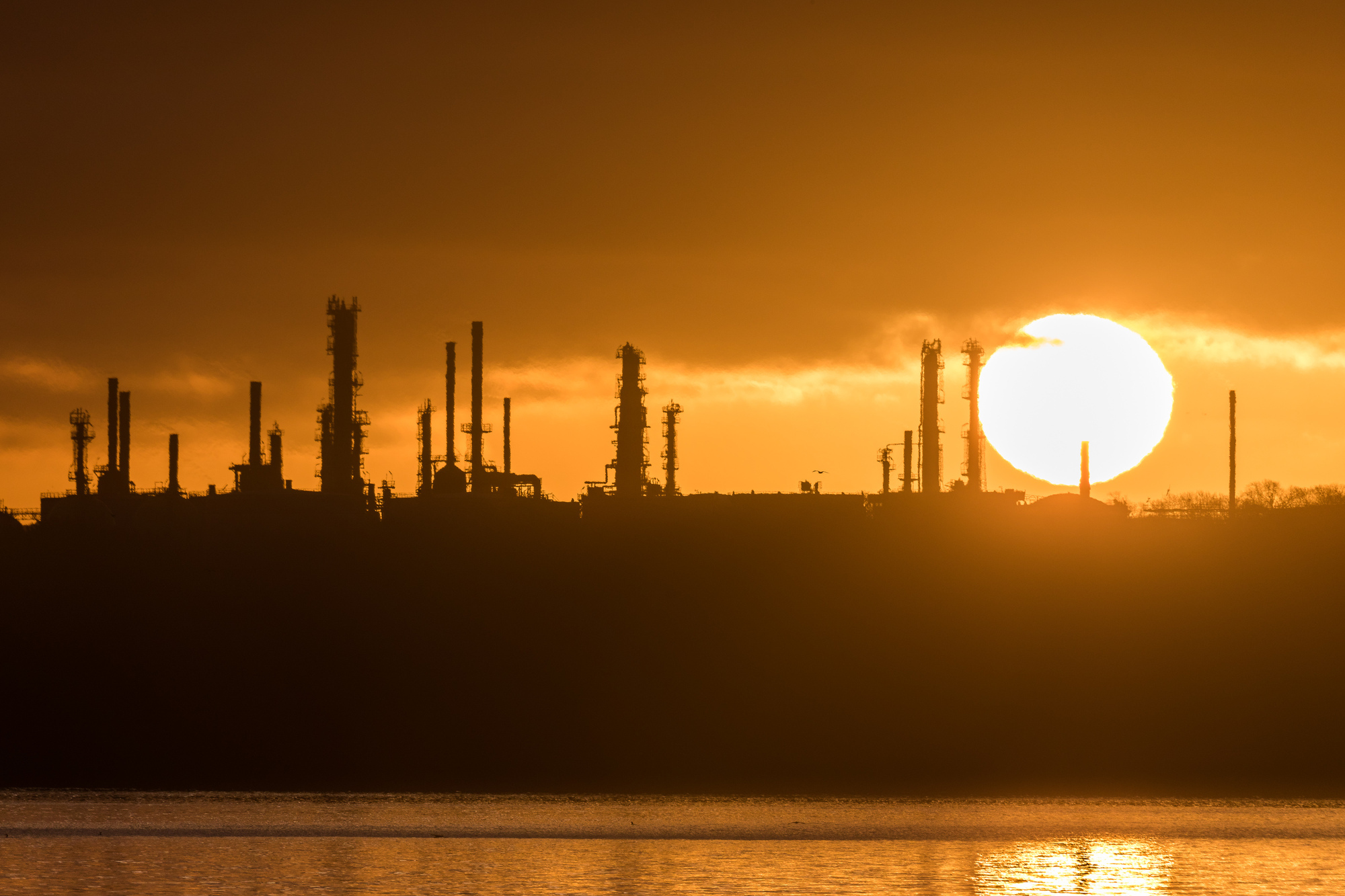
Ireland has over 2m vehicles, more than one and a half million houses and a quarter of a million businesses that use fossil fuels for heating, manufacturing, and the movement of goods and people. Picture: David Creedon
The world has changed remarkably in the past five weeks. Russia has lost both credibility and standing as a nation, but also as one of Europe’s most important energy suppliers, and now Europe must understand how to meet future energy needs without vast volumes of Russian oil and gas.
Ireland relies on fossil fuels for over 80% of our energy, and while we don’t import significant amounts from Russia, we are not immune to this challenge as we purchase energy commodities on the global marketplace, a marketplace that just got smaller.
The current energy crisis will last for several years as new and alternative sources of energy are found, and for the Irish government the crisis points to clear actions that must be taken, but also difficult options that must be understood.
We must act and accelerate the move away from fossil fuels and harness our vast renewable resources, however, the speed at which a country can move away from fossil fuels is determined by how energy is consumed rather than how it is supplied.
Ireland has over 2m vehicles, more than one and a half million houses and a quarter of a million businesses that use fossil fuels for heating, manufacturing, and the movement of goods and people.
Switching equipment, cars, and heating systems away from fossil fuels takes time due to the slow turnover of stock, such as car sales per year; the large number of people involved who must invest and the significant human capital needed to deliver it.
Fewer than 2,000 home heating systems switched away from fossil fuels in 2020. The Government has plans to increase this to 75,000 per year, but the scale of the challenge becomes apparent when considering that more than 1m homes must be targeted.
Leaving fossil fuel behind will take two to three decades and during this phase out there are policy options the Government must assess to reduce our exposure to energy shortages.
The delivery of the Government’s Climate Action Plan will reduce but not eliminate fossil fuel use in Ireland, with oil and gas consumption reducing by about 40% in 2030.
Over the next 15 years, Ireland will consume less gas, but the invasion of Ukraine requires a revaluation of the robustness of this supply in relation to potential gas rationing across Europe and the risk of physical interruption from the UK.

Ireland has a strategic reserve of 90 days of oil storage, which was a policy decision borne out of the energy crises in the 70s, but we do not have a strategic reserve of natural gas, most of which is imported via two pipelines from the UK.
Indigenous gas production at Corrib is small and declining, with enough supply capacity to cover residential heating demand on a cold winter's day but not the capacity to simultaneously meet industrial and electricity needs if there was a prolonged interruption or reduction in gas flow from the UK.
The options to increase gas resilience are limited to developing gas storage, exploring for indigenous resources, or building liquified natural gas import infrastructure.
All these have an economic cost and an environmental consequence that must be understood. The challenge of building gas infrastructure with the objective of enhancing energy security while at the same time reducing gas consumption with the objective of meeting climate targets is a new paradigm for policy makers in Ireland and other EU member states.
These decisions are complex because they involve value judgements of an uncertain future where large investment decisions must be made with imperfect information.
What is clear is that all options must be considered by the Government, but it is not clear which is most appropriate and which options can be future-proofed to align with decarbonisation goals.
Any option for gas diversification and storage will take two to three years to deliver and in the short-term, energy conservation is key to reducing Ireland’s exposure to energy supply risks.
A 10% reduction in national energy consumption delivers the same supply benefit as doubling the amount of wind generation in Ireland, and the Government must promote energy awareness as a first strategy. In parallel, delivery of the Climate Action Plan, increasing renewables, reducing demand, and promoting conservation are required.
In the long-term, energy security concerns will be mitigated greatly by delivering on decarbonisation goals, but short- and medium-term energy security challenges require all options to increase gas resilience to be understood and politically difficult decisions to be taken.
The energy landscape of the world has changed, and Ireland's energy security policy must adapt accordingly. Options for gas storage must be evaluated, understood, and acted on. The goal is a fossil-free future, but the journey will take time and we must reduce our exposure to supply risks until we get there.
- Dr Paul Deane is senior research fellow at MaREI, the SFI Research Centre for Energy, Climate and Marine
CONNECT WITH US TODAY



Be the first to know the latest news and updates