Elaine Loughlin: We need to keep our schools open — but we also must make them safe
She didn't ram Yeats, Boland, Shakespeare or Plath into our heads, she didn’t have to.
Ms Carroll's sheer love of language was enough.
A generally quiet woman, the energy in her voice was enough to engage the room as she described how peeling potatoes could become an act more divine than any religious ceremony, just as Seamus Heaney had intended.
The gentle drop of each skin into an agricultural steel bucket, the only sound breaking the silence. Ms Carroll taught us that the simplest of words and sentences can often resound the loudest.
Beyond the classroom, she got us involved in debating, organising a minibus to ferry us Covent girls to schools in Dublin with high gates and posh sounding names.
She entered us in short story and poetry competitions.
Most people can probably refer back to their own Ms Carroll, a teacher who had a lasting impact on them.
From the artistic primary teacher who encouraged creativity at a young age, to the PE teacher who spent afternoons standing on rain-sodden sidelines, or the one who spotted the student struggling with a trauma going on at home.
The maths teacher, geography teacher, Irish teacher, physics teacher or university lecturer who sparked a curiosity and passion for their particular subject.
This cannot be passed on through a Zoom screen.
As the Omicron variant takes hold, the Government and Nphet must acknowledge that this is the real reason we need to keep our schools open.
That's not to say that unnecessary risk should be tolerated.
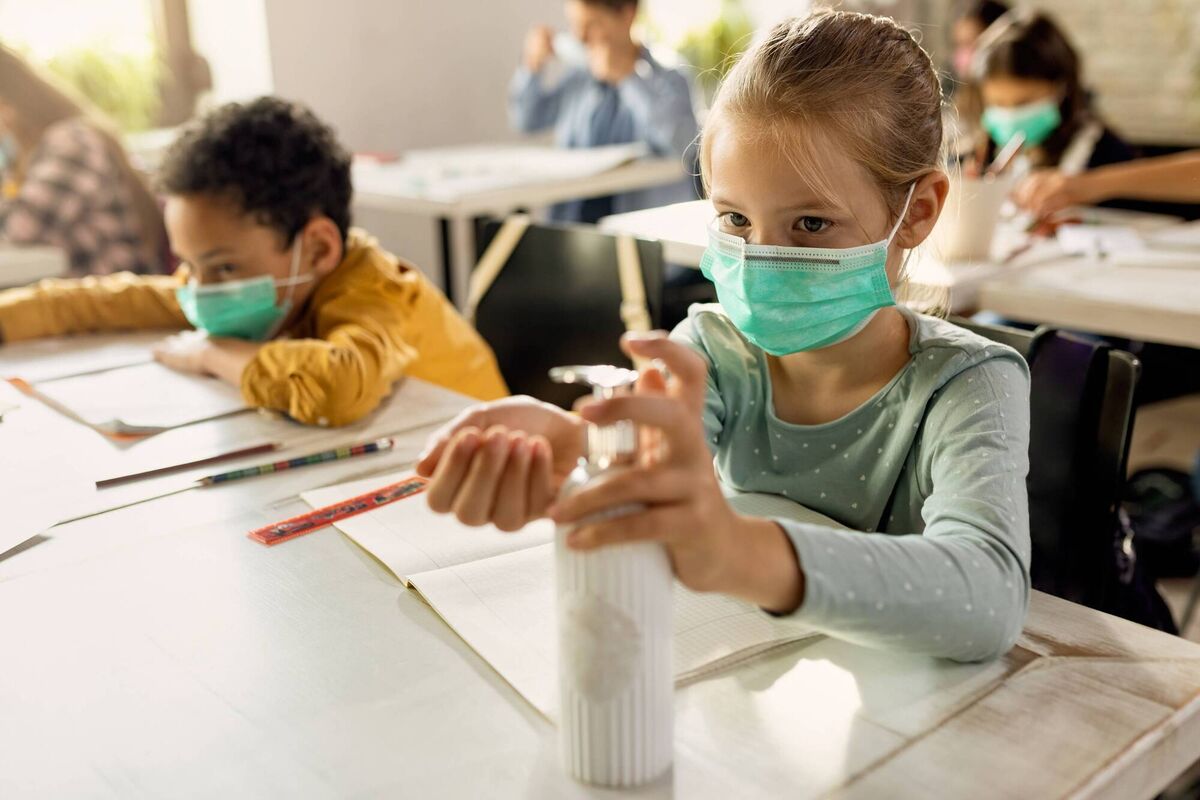
Since March 2020, teachers and principals have had to up-skill, they have become experts in online learning and pods, have graduated in contact tracing and now are expected to be qualified in the acquisition of Hepa filters.
They have stood at whiteboards with the mantra 'schools are safe' constantly repeated at them from medics and ministers.
The constant 'schools are safe' refrain from the Government is like one of those overplayed Christmas tunes we all sing along to without listening to the words.
During a press briefing immediately after his state of the nation address on Friday evening, Taoiseach Micheál Martin again stressed that schools are "not drivers of the virus". Chief Medical Officer Tony Holohan reiterated that schools are "controlled environments".
When Virgin Media political correspondent Gavan Reilly tweeted out the Taoiseach's lines, the hundreds of comments in response had one predominant theme — disbelief.
One person suggested that anyone who can still say that a junior infants class is a controlled environment must never have visited a school.
It was also pointed out that classrooms remain a "controlled environment" but theatres with high ceilings and fresh air circulation are not, even when seated and masked audiences who have all shown Covid certs are limited to 50%.
With the Omicron variant now advancing across the country, we as a nation need to make individual decisions to ensure we keep our schools open in the New Year.
But we also need the Education Minister Norma Foley to do her part.
Speaking in the Dáil during an education debate last week, Social Democrats TD Gary Gannon, in acknowledging Ms Foley was not there as she had left after 30 minutes, said: "I cannot help but feel this is symbolic of a department that is not in control of what is happening on the ground and has been absent for much of the time, while the crisis has got worse in our schools."
As we enter the final days of term two realities now exist — on the Government side schools remain safe, but in the classroom, cases are surging.
Mr Gannon pointed out that in the previous two weeks the highest recorded number of Covid cases was among those five to 12-year-olds who "sit in those cold classrooms every day" before going home to their parents and grandparents.
After continuously claiming that schools, the safe places that they are, don't require air filters, the Government finally relented last week by making €62m in funding available for primary, special and post-primary schools.
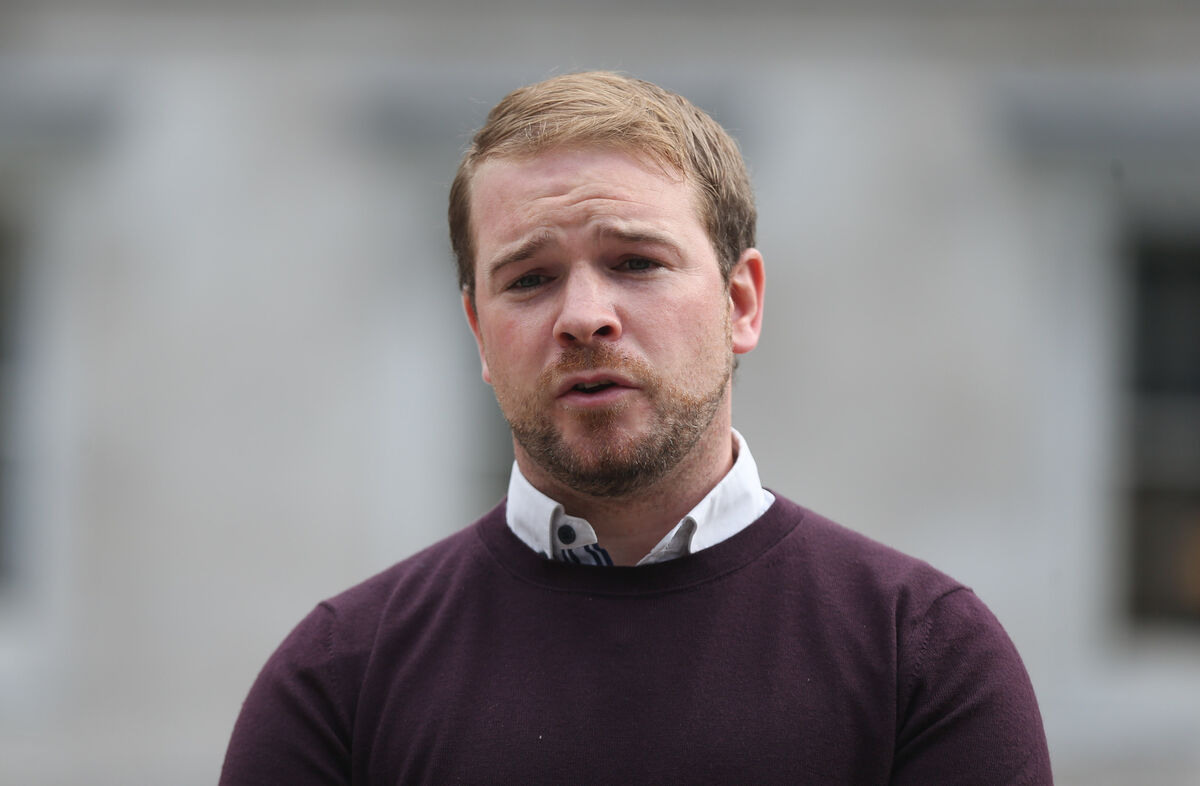
But this was not a full admission, instead, the extra money was announced under what Sinn Féin's education spokesperson Donnchadh Ó Laoghaire described as "the cloak of the minor works grant".
This grant "puts these filtration systems in competition with other desperately needed projects within a school, and that is wrong, especially at a time when school budgets are already overstretched," Mr Ó Laoghaire told the Dáil.
"It is putting filters in competition with broken windows, doors, gutters or whatever other items that are badly needed. This is at a time when kids are freezing in their classrooms with the windows open."
As we enter yet another Covid wave, schools need every support and should not be deciding between Hepa air filtration systems and replacing a boiler on the blink.
In refusing to let go of what many now consider a stubborn insistence that schools are safe, the Government is ignoring the real reason why we need to keep our children and students in the classroom.
To all the Carrolls out there a very merry Christmas and in the New Year let's hope the Government has truly made schools safe for your return.
The light that shines from an upstairs window at Áras an Uachtaráin, which is visible from the main road through the Phoenix Park, is a symbolic beacon. It is there to light the way for Irish emigrants and their descendants, welcoming them to their homeland.
It was first placed there by President Mary Robinson and builds on an old Irish tradition of people putting a candle in their windows on Christmas Eve.
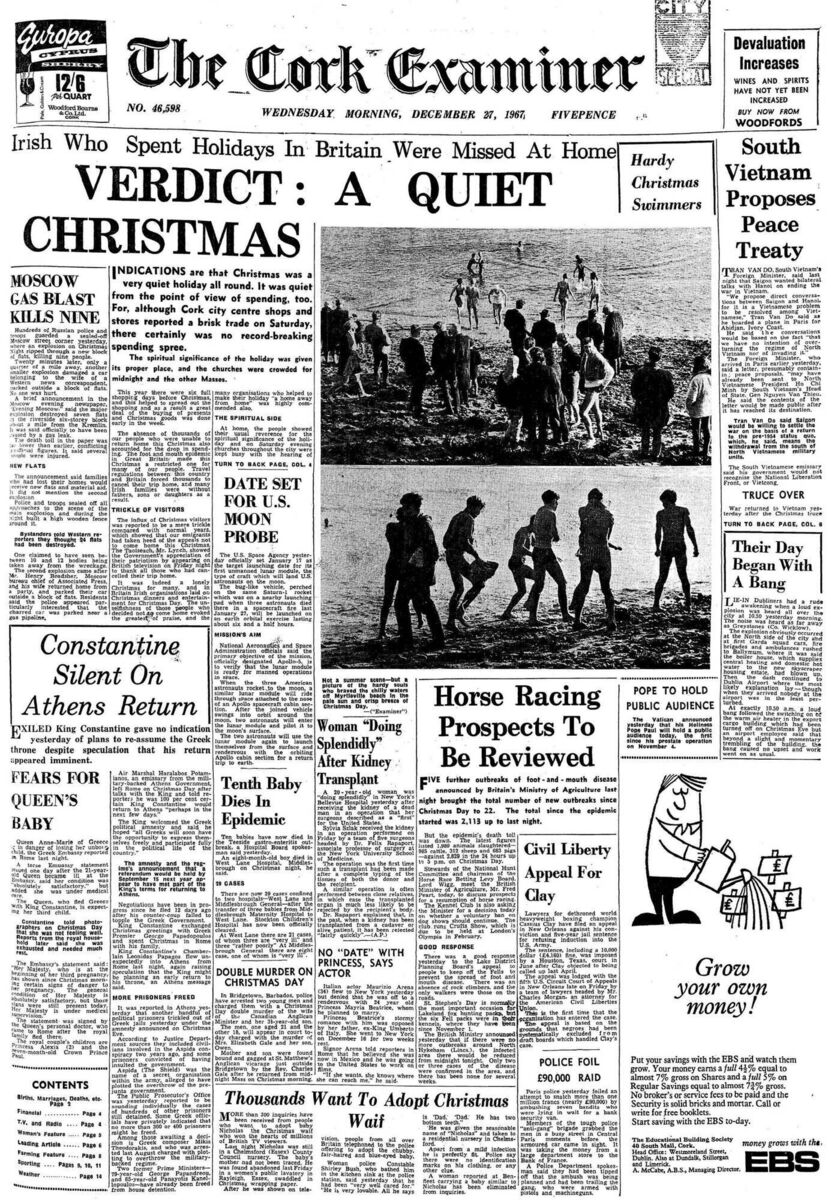
Dec 21: The Republic of Ireland Act 1948, was signed into law formally ending the statutory role of the British monarchy in this country. The Cork Examiner reported that “in the quiet of his study” as a “newsreel camera hummed”, President Seán T Ó Ceallaigh signed the Bill with a fountain pen.
With the Dáil and Seanad on recess this week we are looking back, rather than forward, and what a year it has been...
We entered the year amid a Covid surge which put us back into level 5 lockdown as hospitals were under severe pressure. The much anticipated Mother and Baby Homes Commission report was also published. It revealed that government and other authorities knew everything but did little.
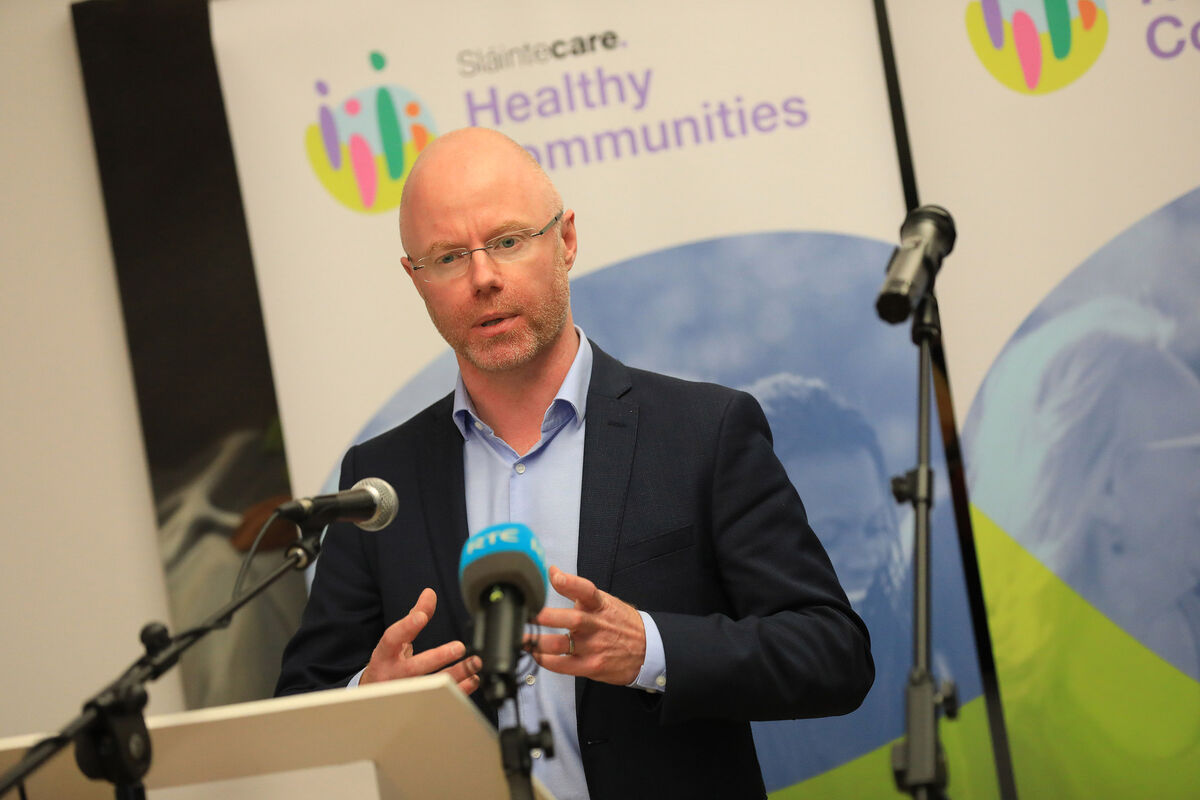
Health Minister Stephen Donnelly was forced to erect a 6ft fence around his home after being targeted by protestors.
President Joe Biden described his "deep, deep affection for Ireland," during a virtual St Patrick's Day meeting with the Taoiseach.
Announcing the reopening of retail, sports, hotels and nationwide travel, the Taoiseach announced that "a summer of hope and caution" was on the cards.
With restrictions on large gatherings still in place a marquee erected for wedding guests on a halting site was removed after gardaí turned up in force.
Pubs and other hospitality was allowed to reopen, but for outdoor service only as the Government further eased restrictions.
The Cabinet appointed former Children’s Minister Katherine Zappone to a new role of Ireland’s Special Envoy to the UN for freedom of opinion and expression, which sparked a summer-long controversy.
Meanwhile, thousands of people were told to get private PCR tests costing up to €400 to allow them leave the country as international travel resumed and the Government's Covid cert helpline buckled under the demand of calls.
August
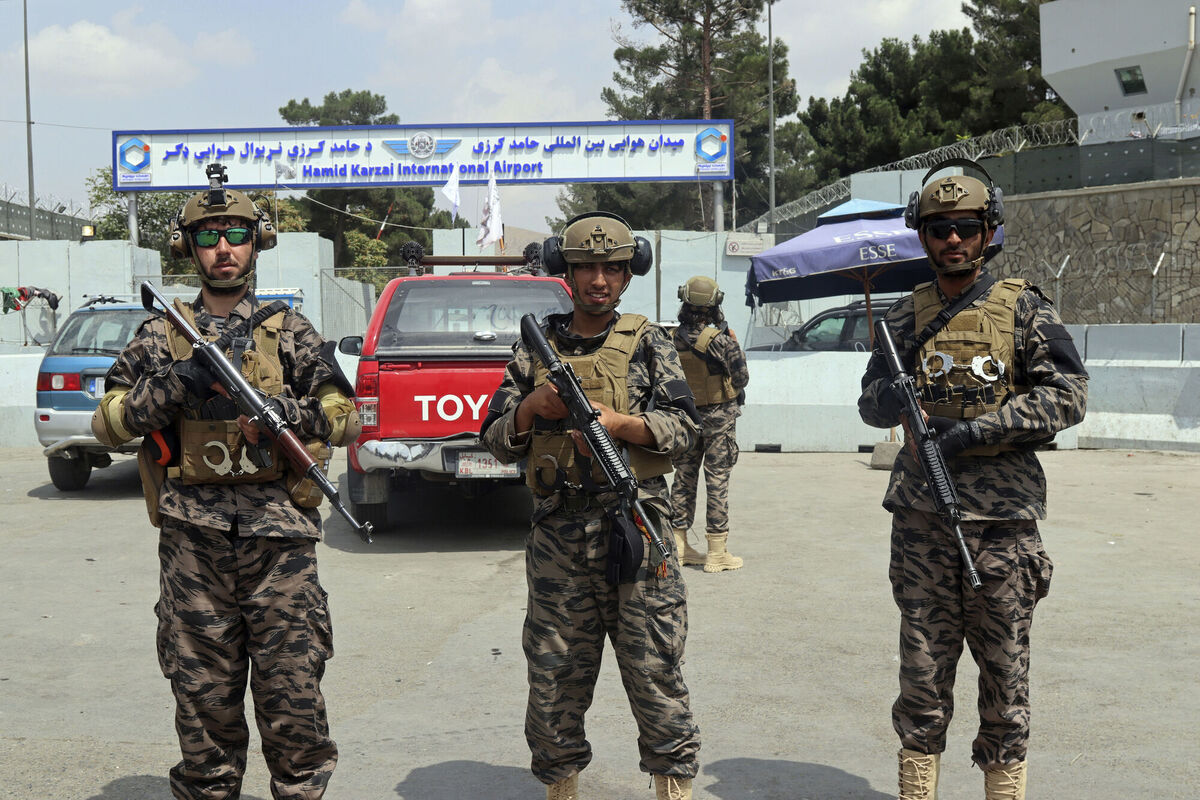
A rescue operation was mounted to get as many Irish citizens out of Afghanistan after the Taliban took control.
The much-anticipated €20bn Housing for All plan was published. It promised to provide deliver 160,000 homes over the next five years.
The night-time economy was the last remaining sector to get the go-ahead to reopen.
Former Anglo Irish Bank chief executive Seán FitzPatrick died.
CONNECT WITH US TODAY



Be the first to know the latest news and updates