Brian Ó Gallachóir: How has Ireland reduced greenhouse gas emissions by 18% since 2005?
Ireland has now become a leader in terms of climate ambition, second only globally to Denmark in ambition between now and 2030, says UCC's Brian Ó Gallachóir who is leading the university's delegation to Cop-26
Brian Ó Gallachóir: How has Ireland reduced greenhouse gas emissions by 18% since 2005?

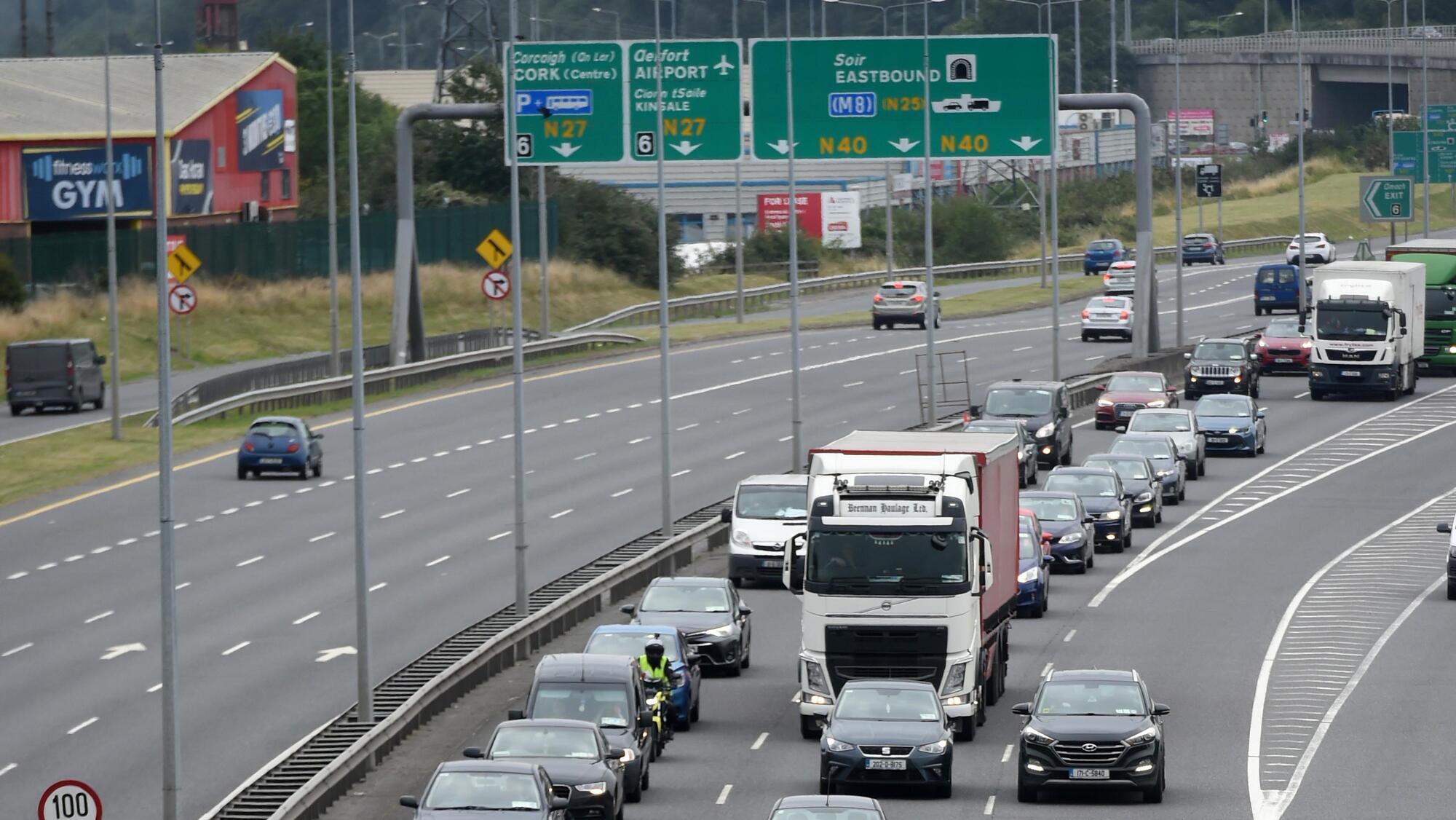
Ireland has also reduced GHG emissions in road transport by 23%, although the pandemic restrictions contributed significantly here.

As Governments around the world prepare for the 26th Conference of the Parties (Cop-26) of the United Nations Framework Convention on Climate Change that takes place shortly in Glasgow, what news can Ireland bring?

Ireland’s political ambition on greenhouse gas (GHG) emissions reduction has increased significantly since the Cop-25 meeting in December 2019. At Cop-25, Ireland’s ambitions and plans to achieve a 30% reduction in GHG emissions by 2030 was shared with delegates. At Cop-26, the Government will bring news to Glasgow just two years later of a significantly more ambitious target, namely to reduce emissions by 51% by 2030.


This is unprecedented internationally – no country has achieved this level of emissions reduction over a 10-year period – and Ireland has now become a leader in terms of climate ambition, second only globally to Denmark in ambition between now and 2030.

This 51% target is one of the key elements of new climate legislation that secured significant cross-party political support in June of this year, with 128 TDs voting in favour and just 10 voting against it.

The pathway to achieving this 51% target will be determined in the next few months through a three-pronged approach:

  • Decisions on carbon budgets (i.e. how much total GHG emissions do we allow ourselves in the two five-yearly periods 2021-2025 and 2026-2030), 
  • Sectoral emissions ceilings (how will the five-yearly carbon budgets be allocated to sectors), 
  • And what policy measures will be put in place to support the ambition (through the Climate Action Plan 2021).

As the numbers and detail behind the ambition become increasingly clear, attention will shift from climate ambition to climate action. 

There has already been a lot of discussion on how challenging it will be to achieve emissions reduction, with considerably less focus on the benefits that climate action brings (the improved health benefits being a particular blind spot), or on what we’ve achieved to date. This piece focuses on the latter of these two topics.

Reflecting on the last 15 years (i.e. the period since 2005), recent data from the Environmental Protection Agency (EPA) shows that we reduced GHG emissions in Ireland by 18%. There are many reasons of course for this reduction that fall outside of climate policy (notably the economic recession post-2007 and the Covid-19 pandemic in the past 18 months).

There were, however, key climate policy successes associated with Ireland's 18% reduction in GHG emissions since 2005. There are useful lessons that we can draw on from these successes (and indeed from our climate policy failures) and build on them as we seek to deliver on our increased ambitions.

Electricity generation

The GHG emissions trends have varied quite considerably across different sectors. The most significant accomplishment has been in electricity generation, where GHG emissions have reduced by nearly 46% between 2005 and 2020. This reduction has taken place despite our increasing demand for electricity, which has grown by 12% over this 15-year period. 

This was possible because Ireland succeeded in integrating world-leading levels of variable wind energy into our relatively small power system. 

This was achieved due to strong political ambition, a responsive and target-focused policy framework, in turn informed by engineering research, that garnered support from the energy industry and public bodies, and that was delivered with public acceptance.

Heating

Emissions related to heating is another area where we’ve seen progress, with a 13% reduction in emissions since 2005. This includes heating of homes, other buildings and thermal energy used in manufacturing. 

Changes to building regulations improved the energy performance of and led to reduced CO2 emissions associated with heating new homes and commercial and public buildings in Ireland.

Government grants and other supports for home energy upgrades also improved the energy performance and reduced CO2 emissions associated with heating existing homes. 

More insulation in ceilings, walls and windows, better-controlled heating systems, and lower carbon heating fuels have all contributed to make our homes both warmer but also healthier.

Road transport

Ireland has also reduced GHG emissions in road transport by 23%, although the pandemic restrictions contributed significantly here. In terms of policy, the reductions are mainly due to increasing the blending of biofuels in the petrol and diesel that we use in cars and trucks.

We’ve seen GHG emissions reductions of 28% since 2005 across these three sectors (electricity, heating and road transport). By contrast, there has been a 5% growth in agricultural-related GHG emissions in this period, and hence Ireland’s total GHG emissions reduction has only been 18%.

As we embark on the challenging journey towards a further 51% reduction by 2030, we need to build on the policy successes we have and significantly ramp up climate actions across all sectors.

  • Brian Ó Gallachóir is Professor of Energy Engineering at University College Cork and is leading UCC’s Delegation to Cop-26

CLIMATE & SUSTAINABILITY HUB

More in this section

Revoiced

Newsletter

Sign up to the best reads of the week from irishexaminer.com selected just for you.

Cookie Policy Privacy Policy Brand Safety FAQ Help Contact Us Terms and Conditions

© Examiner Echo Group Limited