Karen Ciesielski: Government says planet is on fire but refuses to fight the flames
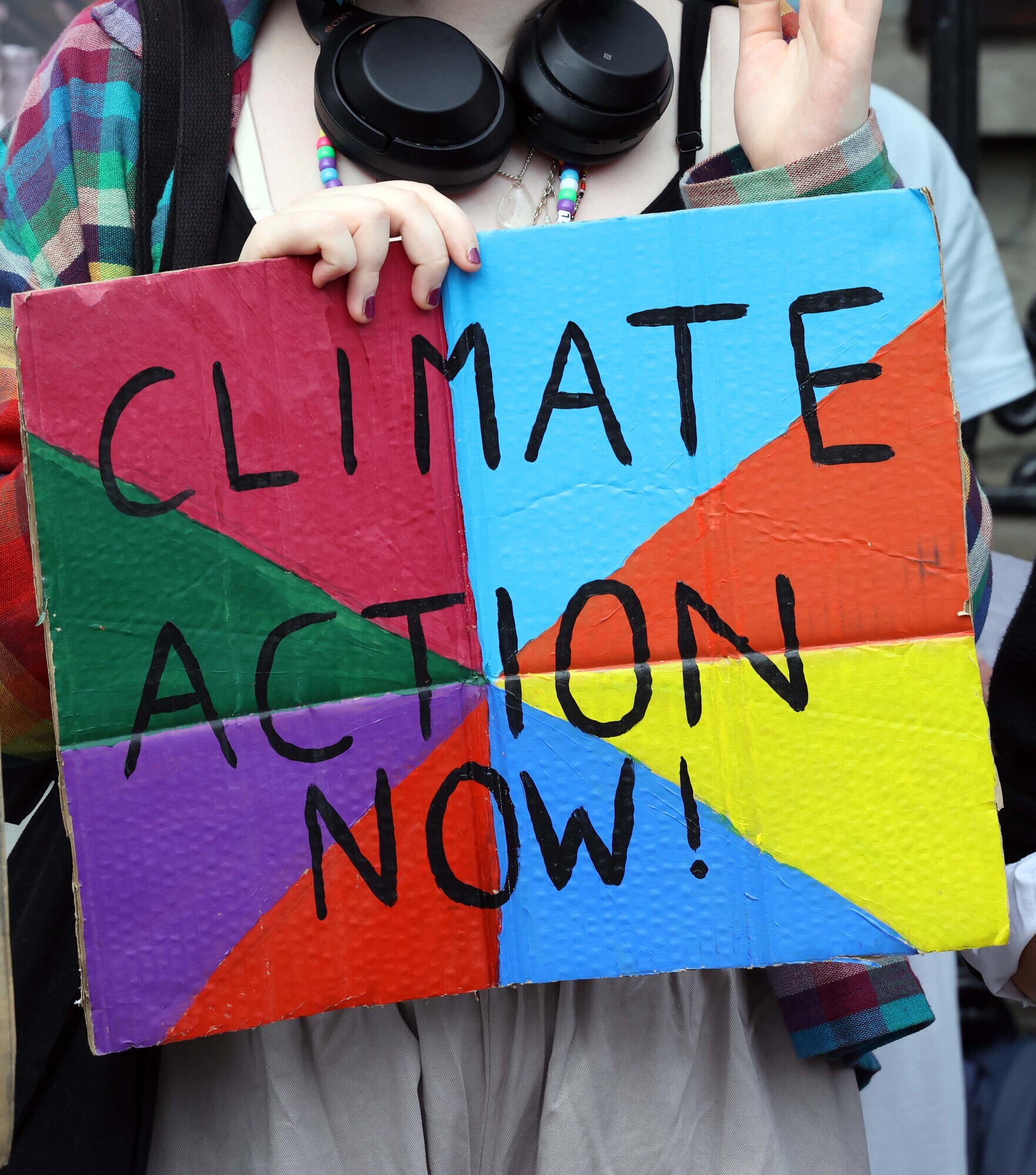
The Dáil itself made Ireland one of the first countries to declare a climate and biodiversity emergency two years ago. But these sentiments are just ink and sound unless they are backed by considerable, robust State investment. File picture: Sam Boal/RollingNews.ie
For decades, we’ve heard politicians the globe over say the crises our planet faces are existential. They’ve said the looming threat of rolling catastrophe would impede our very survival. That our children must not be left to inherit a smouldering world. That we must be the custodians of a better future.
Here at home, the Dáil itself made Ireland one of the first countries to declare a climate and biodiversity emergency two years ago. But these sentiments are just ink and sound unless they are backed by considerable, robust State investment.
Budget 2022 presents the opportunity to do just that – it is how the Government can finally put its money where its mouth is. It’s the chance to centre these crises and how we fairly address them at the heart of our budgetary decision-making and yet again it would appear the Government has largely missed the mark.
One such shortcoming is the pace at which the Government itself has set to make our homes energy efficient through retrofitting, which would improve their ability to retain warmth and reduce the need for heating simultaneously. In this budget, It was announced that over €202m raised from carbon tax revenue will be set aside for retrofitting and that it would be directed to 22,000 homes.
However, we have a national target of making 600,000 homes energy efficient by the end of the decade. The Government needs to move much faster, particularly in light of rising energy costs and increasing carbon tax, if they are to meet the goalposts they themselves have put before the country.
And while we’re on the subject – the carbon tax is set to increase by €7.50, bringing the total tax up to €41 per tonne of carbon emitted. Given the climbing energy costs that are expected to occur over the coming months will impact the most vulnerable among us, the Government needs to widen the eligibility criteria for fuel allowance, and it is disappointing it failed to do so in this budget.
Earlier this month, we also called on the Government to end environmentally harmful subsidies in this budget and this is unfortunately another missed opportunity.
According to the latest available Central Statistics Office data, Ireland subsidises fossil fuels to the tune of €2bn a year as of 2018 and the practice heavily favours industry. These subsidies need to be eliminated immediately. We could reap climate rewards for doing so, as their removal could reduce economy-wide CO2 emissions by 20% by the end of the decade.
Rather than adopting this transformative change that we know is needed, the Government instead has opted to tinker at the edges by adjusting accelerated capital allowances for energy efficient equipment in this budget.
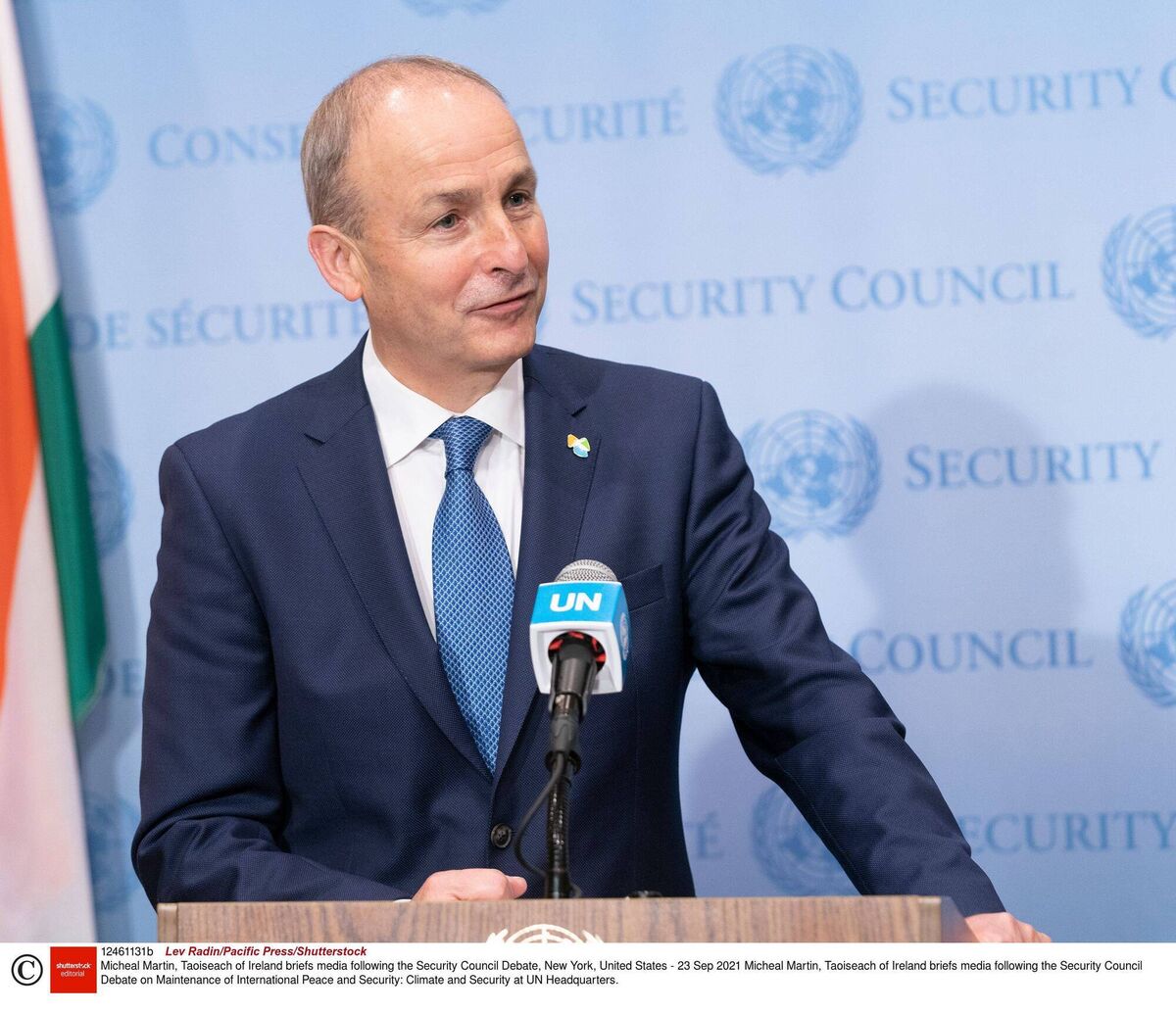
Simply making small alterations from the sidelines nowhere near matches the Government’s own rhetoric, as just weeks ago our own Taoiseach told the United Nations that climate change is “the defining challenge of our generation”.
When it comes to our ongoing biodiversity crisis, the Government has taken a step in the right direction by restoring the National Parks and Wildlife Service (NPWS) to pre-recession levels in this budget.
The NPWS is on the frontlines of our depleted and degraded nature, and since the onset of the recession in 2008, it has seen its resources whittled away. It is our first port of call for protecting nature and despite declaring a biodiversity and climate emergency, previous inadequate budgetary allocations to the NPWS demonstrate the Government has been saying one thing and yet doing another.
And while this increase is indeed welcome, it is the bare minimum. We need to see its funding and staffing increased year-on-year in order to address the scale of the challenge we face.
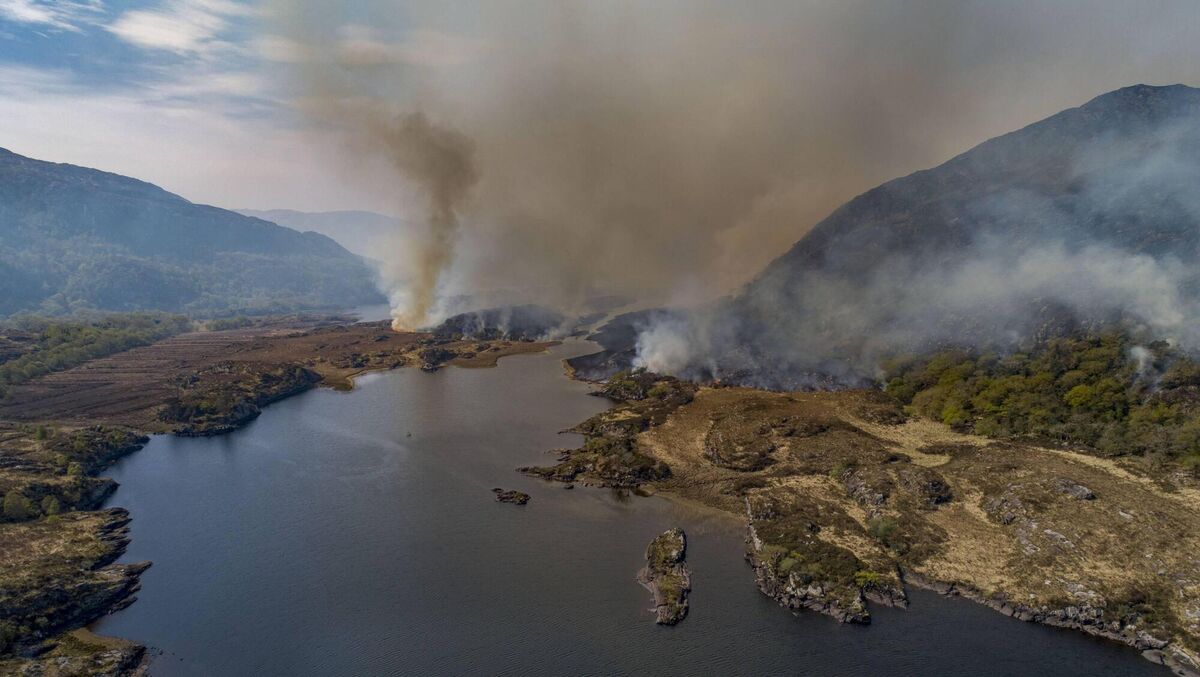
Scaled-up funding will also be crucial in preventing future national tragedies like the Killarney National Park wildfire last summer by overseeing proper management of our ancient woodlands and critical to goals to restore biodiversity, like our populations of declining farmland birds.
All that being said: there are some environmental wins in this budget – €1.4bn being directed to public transport is welcome, as well as the
halving of public transport costs for those between 19 and 23 years old.
The announcement that householders will be able to sell back electricity that they generate to the grid is also a positive development, but the devil will be in the details as this is not the first Budget Day where such a commitment was put forward.
We know the State has the capacity to treat an emergency for what it is. We’ve seen it pull together resources and legislation at lightning speed in order to protect as many lives as it could.
Unfortunately, the climate and biodiversity crisis has never truly been met with the same sense of urgency. As we begin to sift through the intricacies of this budget, what we’ve seen so far is by-and-large what activists and campaigners have said for decades: that our Government repeatedly tells us our planet is on fire and yet their actions fail to deploy the large-scale fire-fighting tools we need to face these crises head on.
- Karen Ciesielski is co-ordinator of the Irish Environmental Network

CLIMATE & SUSTAINABILITY HUB
CONNECT WITH US TODAY



Be the first to know the latest news and updates