Paul Hosford: Fianna Fáil must find identity it lost through confidence and supply
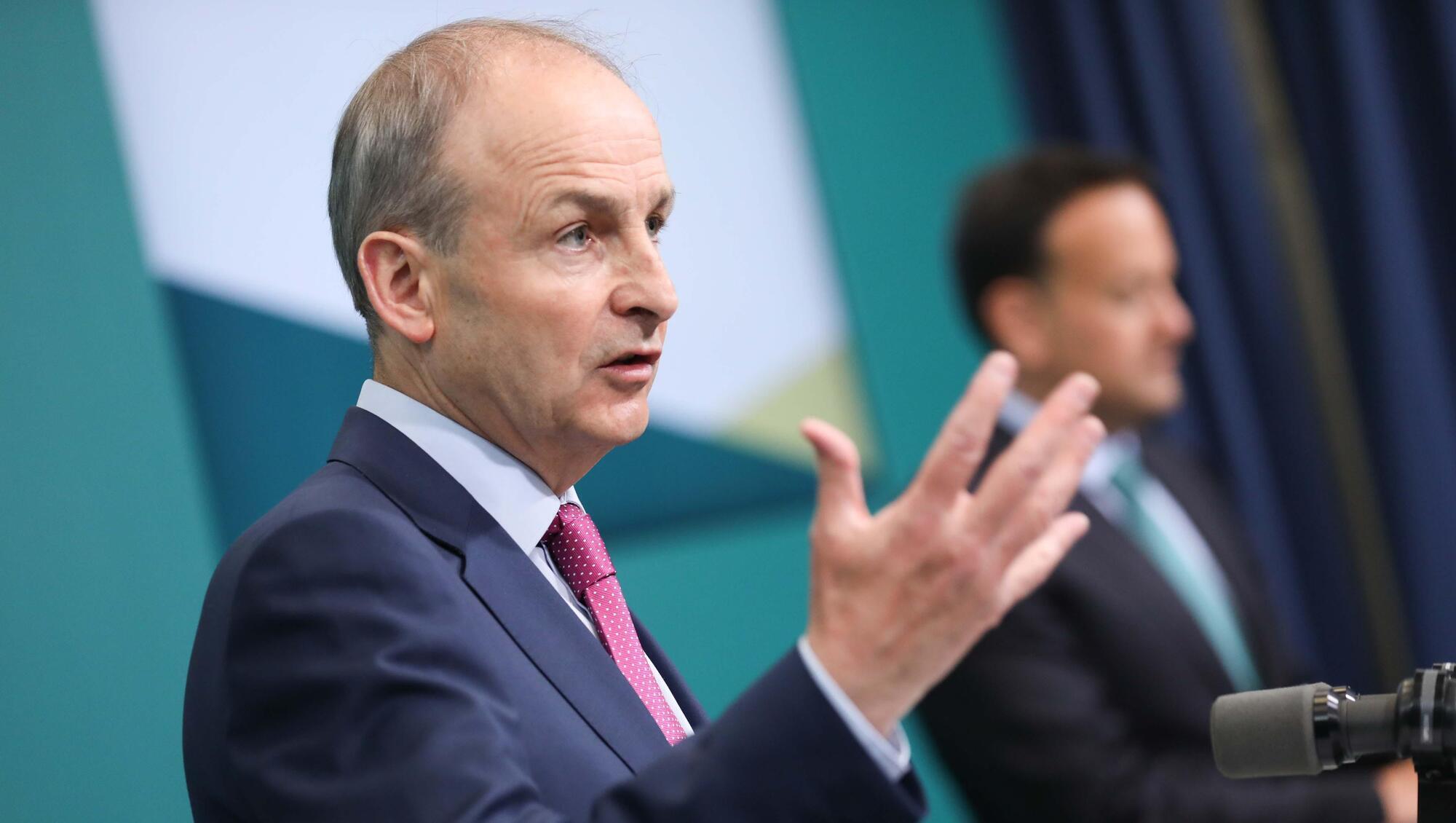
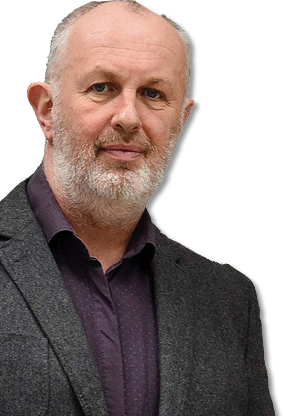
Taoiseach Micheál Martin: "In terms of identity, we're very clear - we believe in the unity of the people of Ireland, Protestant, Catholic and the centre in the Wolfe Tone tradition. We're a pro-enterprise pro-European party." Picture: Julien Behal
As a handful of Fianna Fáil TDs began to arrive at the Slieve Russell Hotel in Cavan on Wednesday night, the much-anticipated Fleming Report was landing in their inboxes.
At its core, the report prepared by Junior Finance Minister Sean Fleming said that the party had made a number of mistakes in its recent elections, but most crucially that Fianna Fáil now lacks a distinct identity.
“The party is predominantly rural and highly reliant on its decreasing core base in defining itself," it reads.
“We were unable to distinguish ourselves sufficiently in the minds of many people from the Government during the Confidence and Supply Arrangement.”
So as the party met in Ballyconnell, the questions loomed: just who is this Fianna Fáil party? And can they remain relevant?
Asked who Fianna Fáil is in this era, the Taoiseach's answer was pragmatic, but hardly a battle cry.
"In terms of identity, we're very clear - we believe in the unity of the people of Ireland, Protestant, Catholic and the centre in the Wolfe Tone tradition. We're a pro-enterprise pro-European party.
"And we believe in strong State involvement in public services, particularly around the equality of opportunity as manifested in our historic contribution to education, down through the decades, health and house building.
"I'm very clear why I joined Fianna Fáil - for me as a person who grew up in a working-class area in Cork City.
In his answer, Mr Martin illuminated so much of what made Fianna Fáil the dynasty that it was and the challenges it now faces. By pitching the party as the pragmatic centre, Mr Martin hopes to remind voters that his is the broad church big-State party that has the muscle memory to deliver projects of scale while attempting at least, to lift all boats.
It is a pitch to Middle Ireland - one that allows societal issues to be dealt with privately and through one's own conscience. It is a somewhat noble pitch - Mr Martin has been known to say that the party's "An Ireland For All" is not a slogan, rather a philosophy - but it is one that is being aimed at a voter base which is either dwindling or not listening.
The issue is that Fianna Fáil finds itself in coalition with Fine Gael, a party which is a similarly broad church; with similar divisions on social issues which are handled internally; but which advocates a slightly smaller role of the State in many issues; a party which comes without the baggage of a not-nearly-forgotten bailout.
While the Confidence and Supply Agreement in 2016 was seen as a key reason for Fianna Fáil not to be able to make a unique pitch in 2020, the potential erasure of identity of five years in coalition is massive. Because, while Fianna Fáil, Fine Gael and the Greens coalesce, there are parties outside of government pitching themselves as the big State alternatives.
While Fianna Fáil talks about its Housing For All strategy, which is fully funded, the opposition can pledge tens of thousands of State homes and, in doing so, present this as a battle of ideology and not implementation. The vast majority of the opposition is in favour of the things that Mr Martin said Fianna Fáil is - enterprise, Europe, housing, education. But none comes with its historical issues and, in the eyes of many, they offer a chance at a change.
Mr Martin and his colleagues will say that the opposition promises are the product of fantasy, but if the public perception is to change it will hinge on Fianna Fáil doing what it prides itself on - delivering.
This means that the stakes for the Housing For All plan could not be higher. Speaking on radio on Thursday, Mr Fleming effectively admitted that Fianna Fáil in this government has hitched the plan around its neck and is hoping that it is a buoyancy aid, not a millstone.
But is delivering an ideology if it's not moored in a grander idea? Mr Martin told this paper that he does not necessarily believe that the current generation of voters is more educated on politics or more grounded in ideology, but last year's election saw a huge left-wing voting pact gobble up seats usually reserved for Fianna Fáil or Fine Gael.
Mr Martin's bet is that an identity is only as strong as the work done behind it. If he's right, and Fianna Fáil does what it says it will, Fianna Fáil will remain a major force in Irish politics.
If he is wrong, the consequences for the Soldiers of Destiny could last decades.
CONNECT WITH US TODAY



Be the first to know the latest news and updates