Mick Clifford: Leaving London to host RIC event speaks volumes about our immaturity
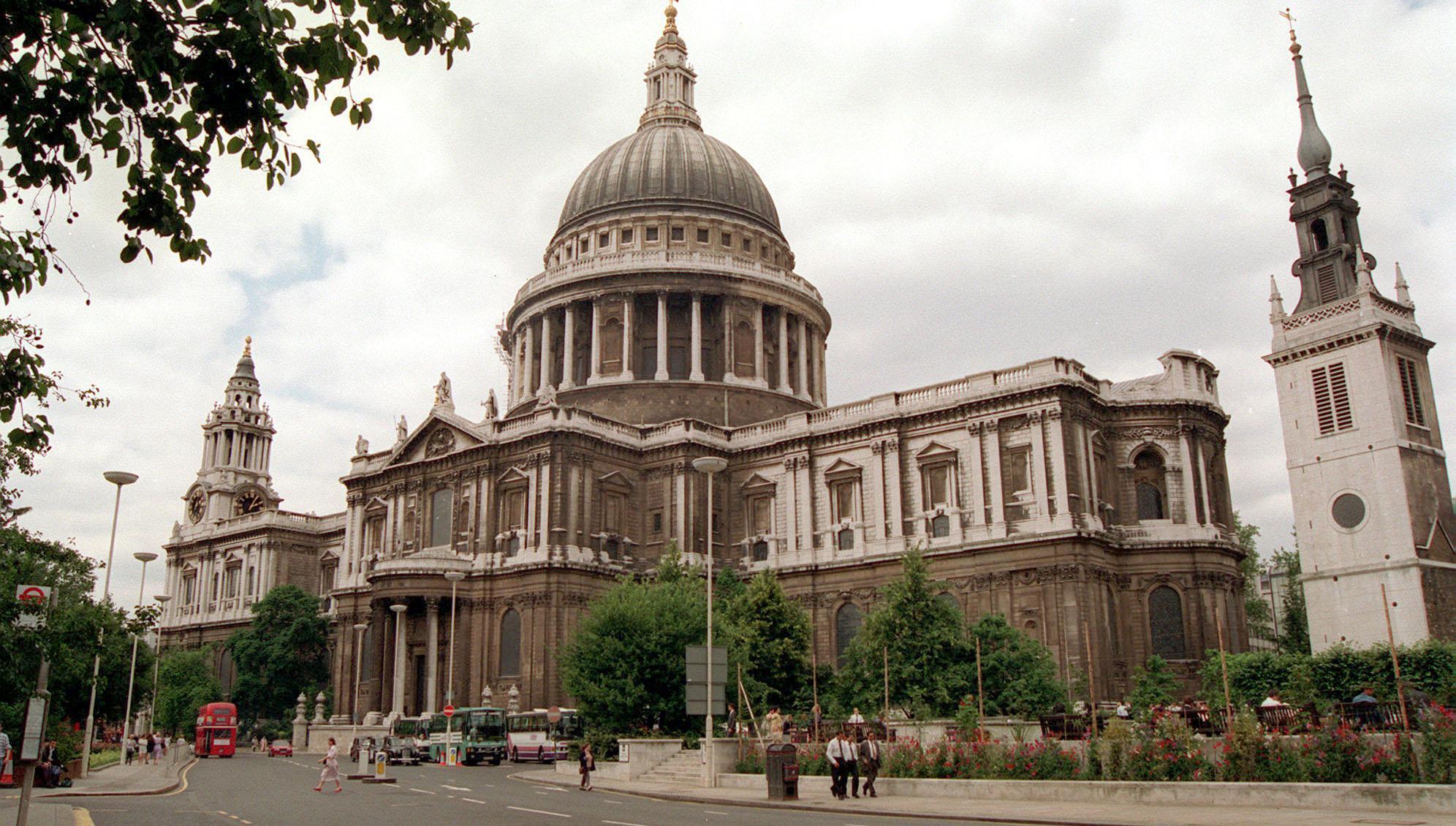
Despite operating in Ireland and being made up of Irish people, the only commemoration of the centenary of the disbandment of the RIC police force will take place in London, at St Paul's Cathedral. File picture: PA
The staging of a commemorative event for the Royal Irish Constabulary in London next year speaks volumes about the immaturity of one aspect of Irish society’s approach to history. A police force that was made up of Irish people from most sections of society cannot be remembered in its own country because of fear of the infliction of political damage a century after it was disbanded.
The commemorative service is to take place in St Paul’s Cathedral next April. It is being organised by a group of former gardaí who approached the British Police Roll of Honour Trust, which honours police services primarily in the UK. The trust agreed to mark the centenary of the disbandment of the RIC with a service for relatives. Government representatives and the Garda Commissioner are likely to be invited to attend.
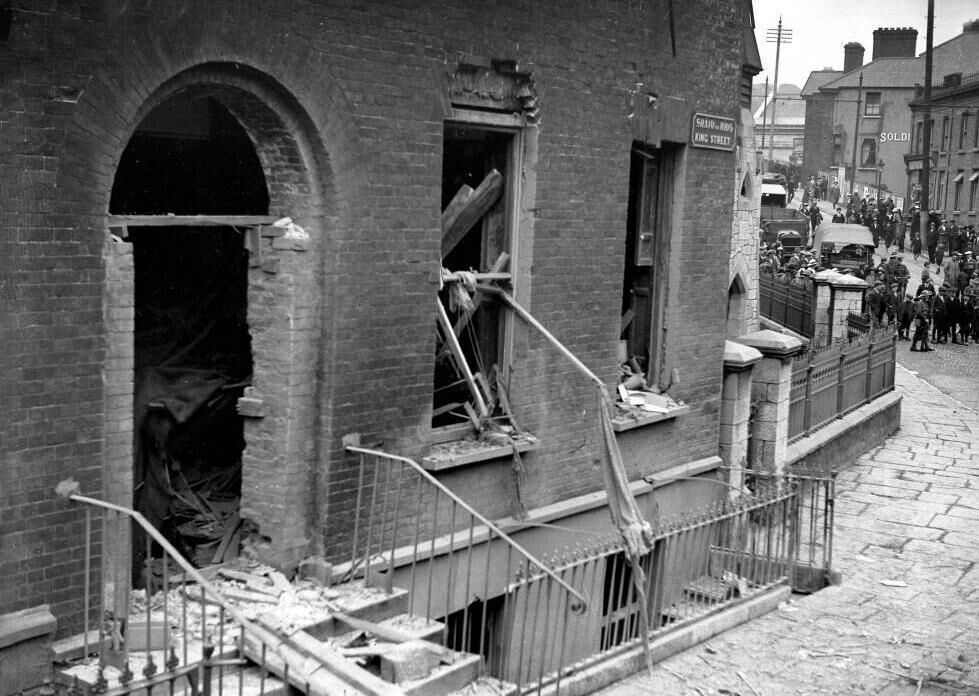
The retired gardaí, who are members of the Historical And Reconciliation Police (HARP) Society, acted after the abandonment of a State commemoration scheduled for Dublin Castle in January 2020. That proposal turned into a debacle after opposition to it grew following public pronouncements from Fianna Fáil councillor Cathal Crowe that he would not attend. Mr Crowe had been invited in his capacity as Mayor of Ennis. Opposition to the event began to gather around him and, within ten days, the event had been cancelled. He went on to be elected to Dáil Eireann in the general election the following month.
Certainly, some of the controversy could be attributed to the handling of the proposed commemoration. It was to be the first scheduled event of the seminal centenary anniversary of 1920. The commemorations were going to be difficult enough as it was, but kicking them off with such an event was playing with fire. If, for instance, the year had progressed with a degree of maturity and harmony, it may have been possible towards the latter half to accord the RIC the basic respect of a State event.
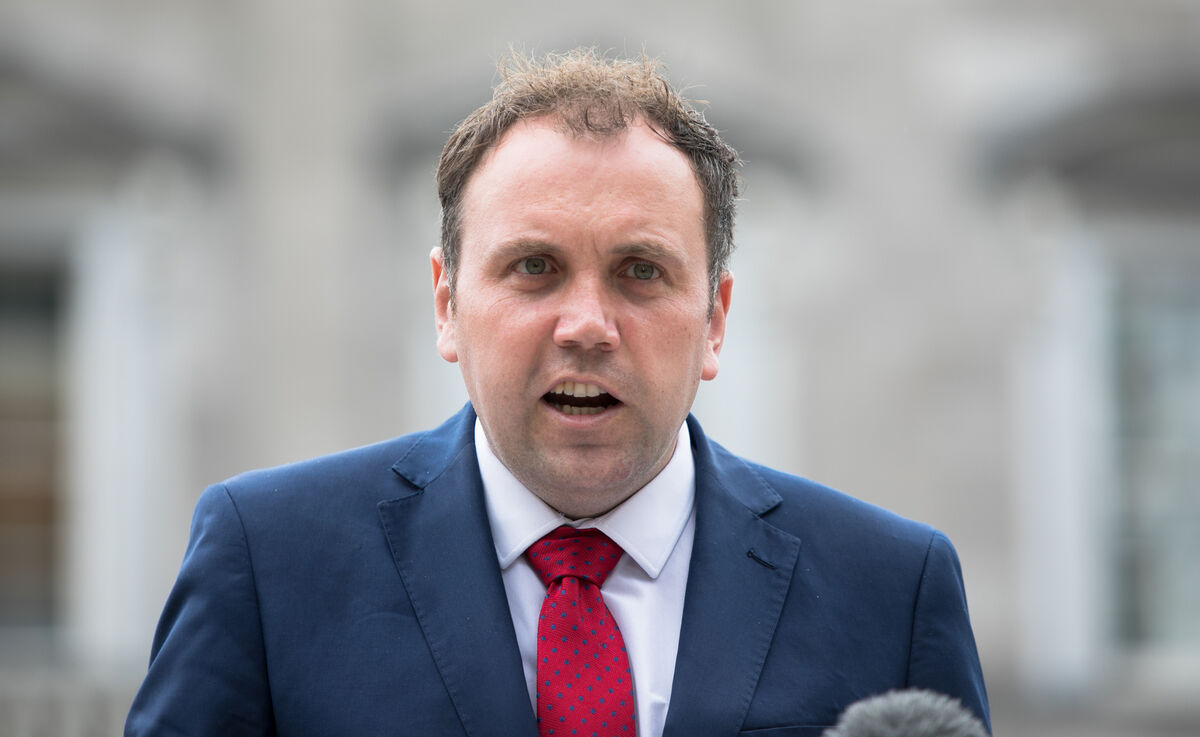
As it turned out, the original plan had been to hold the state commemoration in December 2019, but the scheduled date clashed with another event in Dublin Castle so it had to be postponed. Things were moving along until the Department of the Taoiseach sent out invitations to local authorities inviting various elected representatives. That was where Cathal Crowe made his stance and before you could say ‘hop aboard', his bandwagon was full to the brim. The opposition really took off on social media where the event was characterised as one to remember the Black and Tans, which was a complete distortion, but worked a treat with the twitterati.
The Government stopped digging within a week and announced a postponement. In reality, it was a cancellation, as nobody was going to risk shipping any more political damage for a police force that was never regarded with affection or respect and ended up on the wrong side of history.
Two months later, the pandemic struck and, to a large extent, the most difficult aspects of commemoration in 2020 were relegated to an afterthought in light of the existential crisis. Now it has emerged that the RIC will be commemorated — but not in the country where it was operated, or from which its members were largely drawn.
If Ireland were now a single political entity allied in disdain for its colonial past, the incapacity to commemorate people of their time might be understandable. But there is a large cohort of unionists in the North East of the island who identify with the former colonists. Ironically — or, some might say, stupidly — the most voracious opposition to the RIC commemoration came from those most intent on wooing northern unionists to come join the southern state.
While the RIC debacle was abandoned, other commemorative events for police on this island did go ahead during the year. A recent event was the unveiling of a commemorative plaque by Garda Commissioner Drew Harris for two gardaí — Sergeant Patrick McKeown, and Garda Richard Hyland — who were shot dead by members of the IRA in Dublin in 1940.
The chair of Dublin City Council’s commemorative committee, Sinn Féin’s Mícheál Mac Donncha, failed to attend, and nor has he cited any prior engagement or emergency that prevented him doing so. Fine Gael councillors accused him of boycotting the event which he denied but neither did he send a party colleague to deputise for him.
An obvious question arises as to whether Mr Mac Donncha would have been comfortable taking part in an event to commemorate gardaí murdered by the IRA. That in turn raises the question as to whether, should Sinn Féin enter government, its members will selectively decide whether to attend State commemorative events for An Garda Síochána, depending on how the gardaí met their deaths. Remembering dead policemen on this island is unlikely to get any easier.
CONNECT WITH US TODAY



Be the first to know the latest news and updates