Noeline Blackwell: Pandemic may be ending, but the sexual violence epidemic is relentless

During lockdowns, many people had neither physical space nor head space — which was particularly challenging for people who have been suffering abuse. Stock picture: Thinkstockphotos
Dublin Rape Crisis Centre’s annual report 2020, launched this morning, features a line graph which shows when people contacted the national 24-hour helpline that we run. From a high point in the month of January 2020, it goes to its lowest point in February and March, rising again quite steeply in the summer months, and then levelling off. This graph tells us that fewer people contacted the national 24-hour helpline in those first weeks of Covid-19 uncertainty and rapidly changing information than at any other time during the year.
Granted, our counsellors and therapists noted that those who called us or availed of our therapy services needed us more than they ever had before. The calls, messages, and video appointments showed that when the country’s general anxiety about Covid-19 was added to the specific trauma that had been inflicted by sexual violence, many felt desperately isolated and anxious, needing our help to ground themselves and reach a place of calm. This meant that people engaged with us more intensely and the continued concentrated support of our dedicated and experienced staff and trained volunteers was crucial.
The often long-lasting damage done by all manner of sexual abuse including rape can include physical trauma but is often an invisible injury to a person’s innermost self, to their dignity, their sense of self-worth; inflicting real and often lasting emotional and psychological damage. To navigate and heal from that, people need time and space.
In the most restrictive periods of the lockdown, many had neither the physical nor the head space that they needed for themselves. Confined with others in smaller spaces, coping with emergency schooling and caring obligations, working or studying from home, meant that people didn’t have the privacy and personal time that they needed. As restrictions eased, those contacting us increased. We were also able to roll out a webchat function and an online coach-supported counselling programme during the year, which thankfully helped some.
One of the features of the hidden nature of sexual violence is that, oftentimes, the only person who can name it is the person who experiences the abuse. Our experience is that, in many cases, the very hardest thing for the victim/survivor to do is to name the wrong done to them. It is hard even to say to themselves — let alone to confidential supports such as ourselves, or to State authorities. Thus it is not surprising that survivors may not report until days, months, even years after the abuse.
While there is far too little study on the topic, it seems to be an international phenomenon that those who do suffer sexual violence will delay dealing with this harm until other more obvious physical harms or struggles that they encounter have been dealt with. So it transpired during the pandemic. Schooling, caring, daily tasks — and, for some people, the necessity of living with an abuser during the early Covid restrictions — meant people deferred meeting their own needs, their own healing.
We in Dublin Rape Crisis Centre have learned from the pandemic. We have learned that technology gives us new ways of staying connected. We saw how various State departments and agencies pro-actively, and in partnership with services, highlighted and supported the continuance of services dealing with sexual and domestic violence at a time when we needed practical support to get equipment and the like at a time our general fundraising fell off a cliff. We learned that in these times of deep anxiety, old wounds, long hidden are prompting people to disclose and seek help, often for the first time.
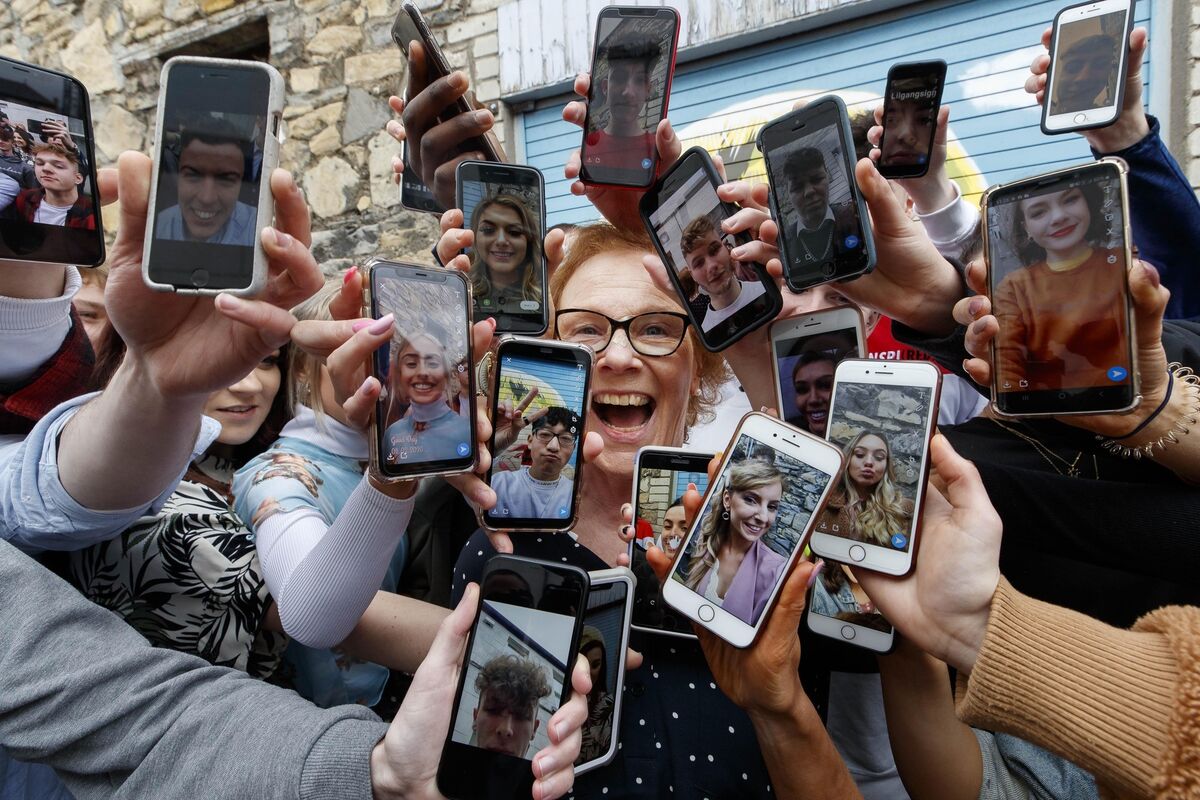
Recent valuable work done by the Citizens' Assembly highlighted the link between gender inequality and sexual violence. And 2020 showed us we could continue to support those harmed by sexual violence in our counselling, therapy, and training services, often in novel ways.
But for inequality to end, we need to reaffirm our resolution to work to build better structures and systems and less tolerance for sexual violence in Ireland. For this year and future years, we will continue to work with State campaigns to reform our justice system and end harassment in our institutions. We will continue to build greater understanding of the barriers and misunderstandings in our society to advance a culture where everyone truly respects others in intimate relationships and sexual activity.
We will be glad to see the back of the worst of this pandemic: hopefully sooner rather than later. But while we had it, we learned that the lessons of all epidemics - healing those hurt, halting the spread of the harm, preventing the harm in the first place - also apply to what the Programme for Government has called the epidemic of sexual violence. With the support of all who helped us in 2020, we’ll continue to work to end that epidemic.
• Noeline Blackwell is CEO of Dublin Rape Crisis Centre. The national 24-hour helpline is on 1800 778888.
• DRCC’s annual report and further information on its work are available at drcc.ie.
CONNECT WITH US TODAY



Be the first to know the latest news and updates