Irish medic in Afghanistan: 'In one day we performed 20 surgeries on war-wounded'
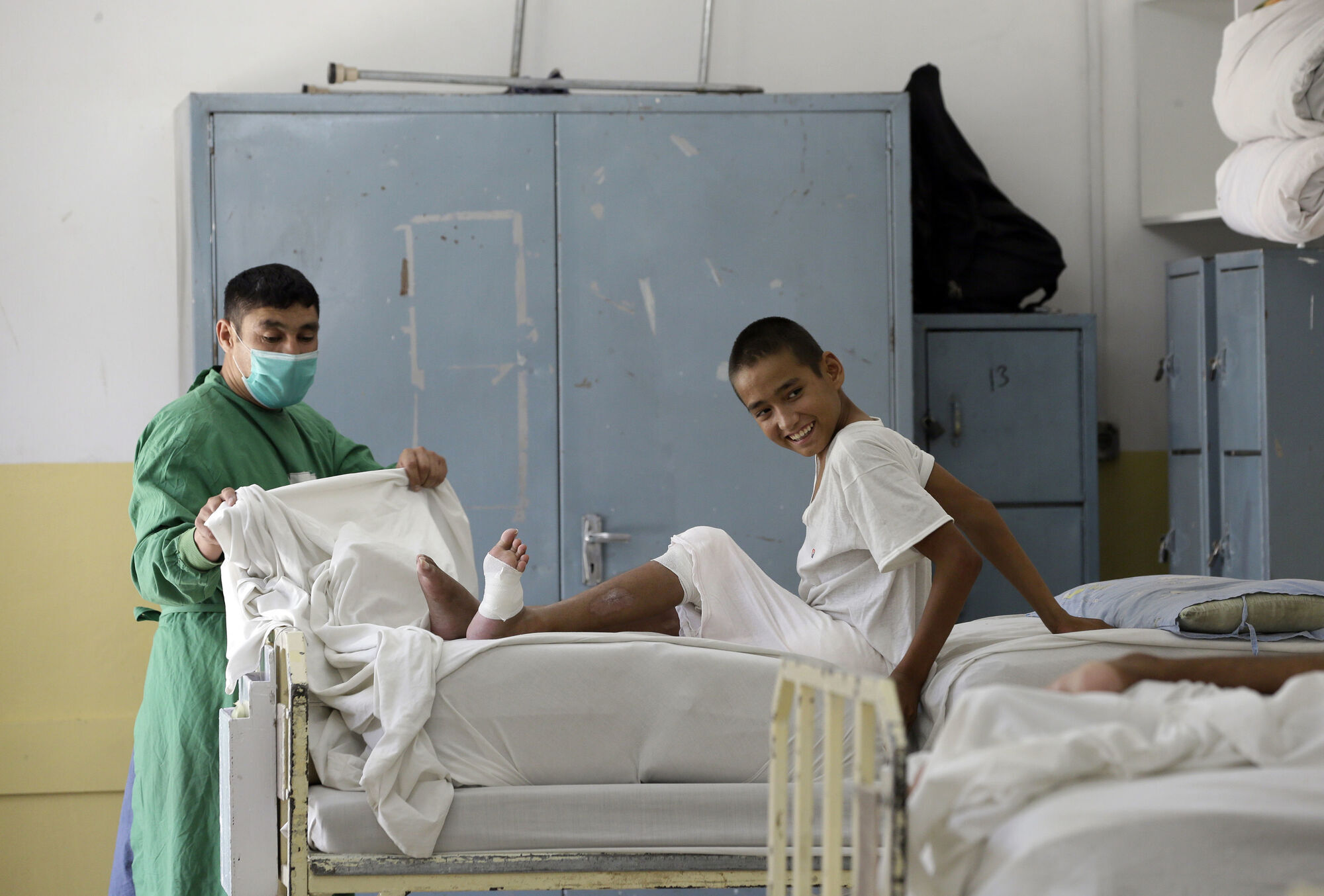
An Afghan boy receives medical care at the International Committee of the Red Cross (ICRC) physical rehabilitation center after being injured in fighting between the Taliban and Afghan security personnel, in Kabul on Tuesday. The ICRC has said that its staff has treated more than 4,000 Afghans this month in their 15 facilities across the country. Photo: AP/Mariam Zuhaib
Since May, when foreign troops started withdrawing from Afghanistan, we have witnessed heavy fighting.
In recent weeks, the clashes between the Afghan army and the Taliban have intensified and moved into urban areas. Several provincial capitals have already been captured by the armed group.
In Lashkar Gah city in Helmand province, where Médecins Sans Frontières (MSF) support the 300-bed Boost Hospital, there has been relentless gunfire, air raids and mortars in densely populated areas. Houses are being bombed and many people are suffering severe injuries.
Fighting within the city has made it harder for MSF to respond. Our staff are part of the community and they, like many people, are afraid to leave their homes. It is just far too dangerous to move in the streets and life has come to a standstill.
Some of our colleagues are staying overnight in the hospital so they can keep on treating patients. The situation has been dire for months, but now it is even worse.
Fortunately, there were no casualties. Despite the challenges, the hospital remains operational and has seen a marked increase in trauma needs.
In just one day, we performed 20 surgeries on people injured by violence, which is unheard of for MSF here, as we are not Lashkar Gah’s main provider of trauma care. Before last week, we had been operating on average on two war-wounded people per day.
The main trauma centre in the city is run by another organisation and it too is under immense pressure. The people they cannot admit are sent to MSF for care.
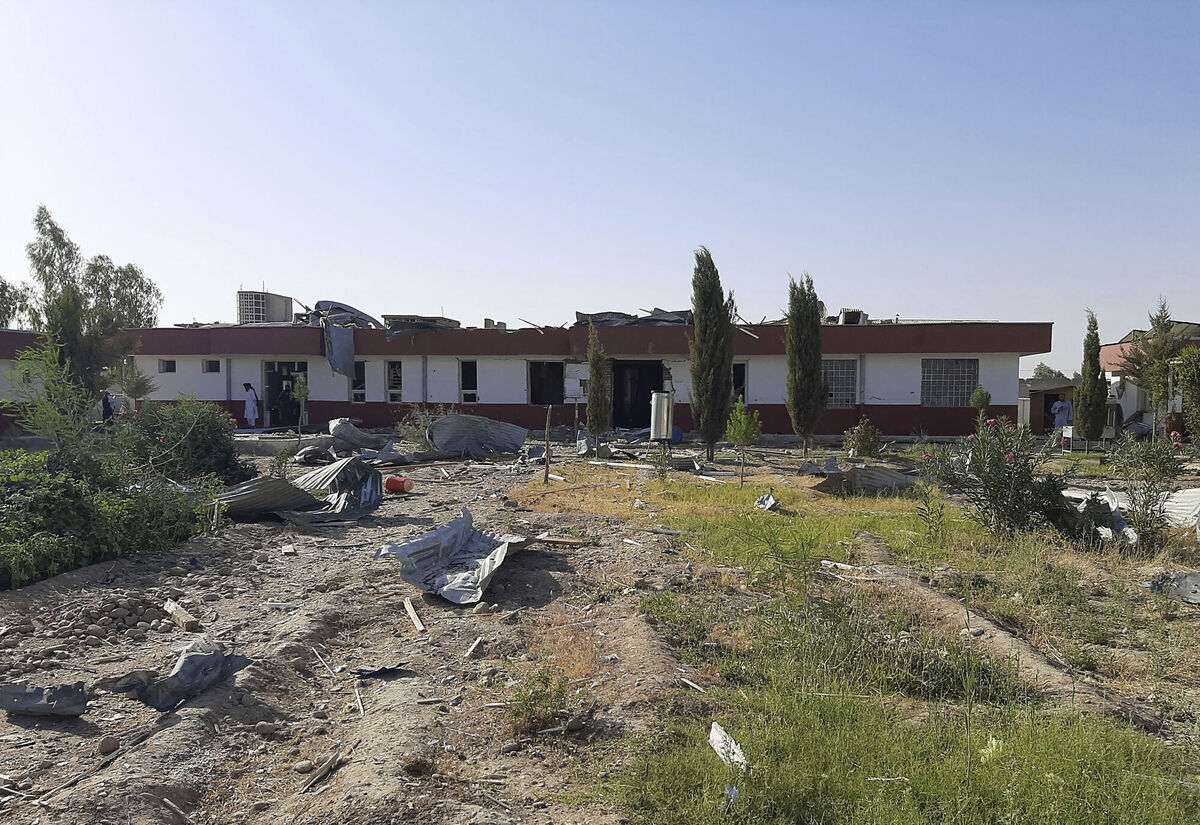
From August 1 to August 6, MSF treated 170 war-wounded patients and performed 71 surgeries on people injured by the violence. And in total between May 3 and July 31, our teams have treated 482 war-wounded patients, nearly all of them (92%) for injuries caused by shells and bullets and about a quarter of them (26%) being minors and children.
And the number of patients seen by MSF is just a fraction of the actual number injured by the violence.
The fighting has also exacerbated health needs beyond trauma care. Given the lack of well-functioning and affordable medical facilities in Helmand, people rely on Boost Hospital, the only referral hospital in the province, for essential neonatal, paediatric, inpatient, intensive care, maternity, malnutrition, and surgical services, among others.
Since May, MSF staff have witnessed an alarming increase in the severity of patients’ illnesses when they arrive at the hospital. People described how, despite needing medical care, they have been forced to wait at home until the fighting subsides or to take dangerous alternate routes.
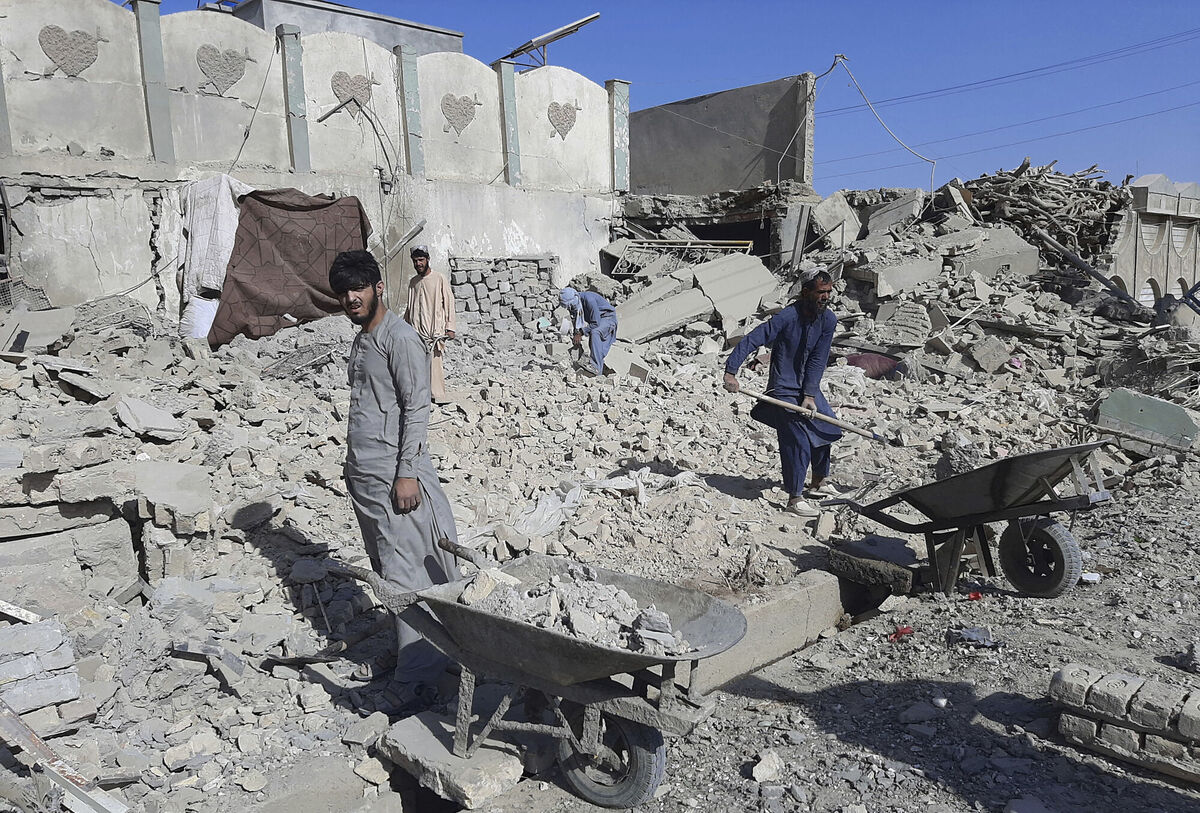
With fighting taking place not far from Boost Hospital and people too afraid to leave their homes due to the violence, access to healthcare is dangerously low.
“We have had patients who were caught in crossfire. On top of something like severe diarrhoea, they would also arrive with a bullet in their shoulder or their leg,” explains one of our doctors working in the MSF Emergency Room and Intensive Care Unit.
“The conflict leads people to think 10 times if they really want to make the journey.
"From a medical perspective, that is almost too late.”
Medical emergencies, births and chronic conditions do not stop during times of war. At one point, we only had one pregnant woman in the hospital. The next day, after the fighting died down for a bit, 10 pregnant women managed to reach us, showing that the needs are still out there. We’re worried that women are having to give birth at home with no medical help available if they have complications.
When people do make it to a health centre and receive care, that does not necessarily result in complete recovery. The effects of the conflict have long-term consequences too, as one patient with bullet wounds to both his arms explained.
“All my family depend on me, but I feel like in the future I will not be able to work because of my injuries. It will be very hard for me to feed my family. I have left my home and I cannot go back there.”
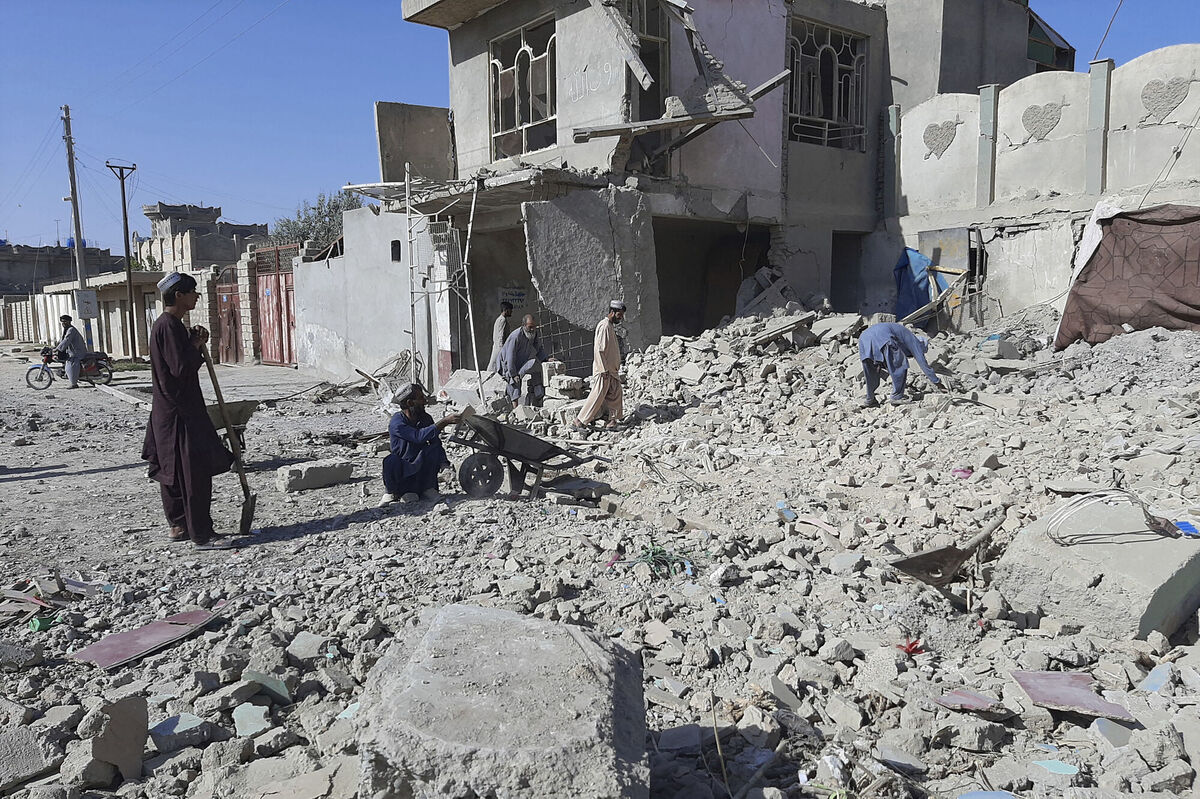
Even among MSF staff, the impact of the fighting is clearly visible. One of my colleagues, an MSF doctor, explains: “Healthcare staff are exhausted. The work itself, seeing all these patients, is hugely difficult. And then on top of that, people have to deal a lot with outside pressures and worries.”
The conflict remains very dynamic with violence flaring in different areas of the country, and MSF is adapting its projects as much as possible to address the changing needs. But medical staff around Afghanistan are faced with fighting taking place in the streets around medical facilities, and with little rest or respite; constantly worried about the families they have left at home.
As fighting enters cities, hospitals continue to function but the threat of being in the wrong place is ever-present, as we saw at the hospital on Monday. All working medical facilities must be respected.
- Sarah Leahy, from Dublin, is the project coordinator for Médecins Sans Frontières/Doctors Without Borders (MSF) in Helmand Province, southern Afghanistan.


CONNECT WITH US TODAY



Be the first to know the latest news and updates