Daniel McConnell: Promise of owning a home is beyond many people
Next month will see the Government announce its major plan to end the housing crisis
Daniel McConnell: Promise of owning a home is beyond many people

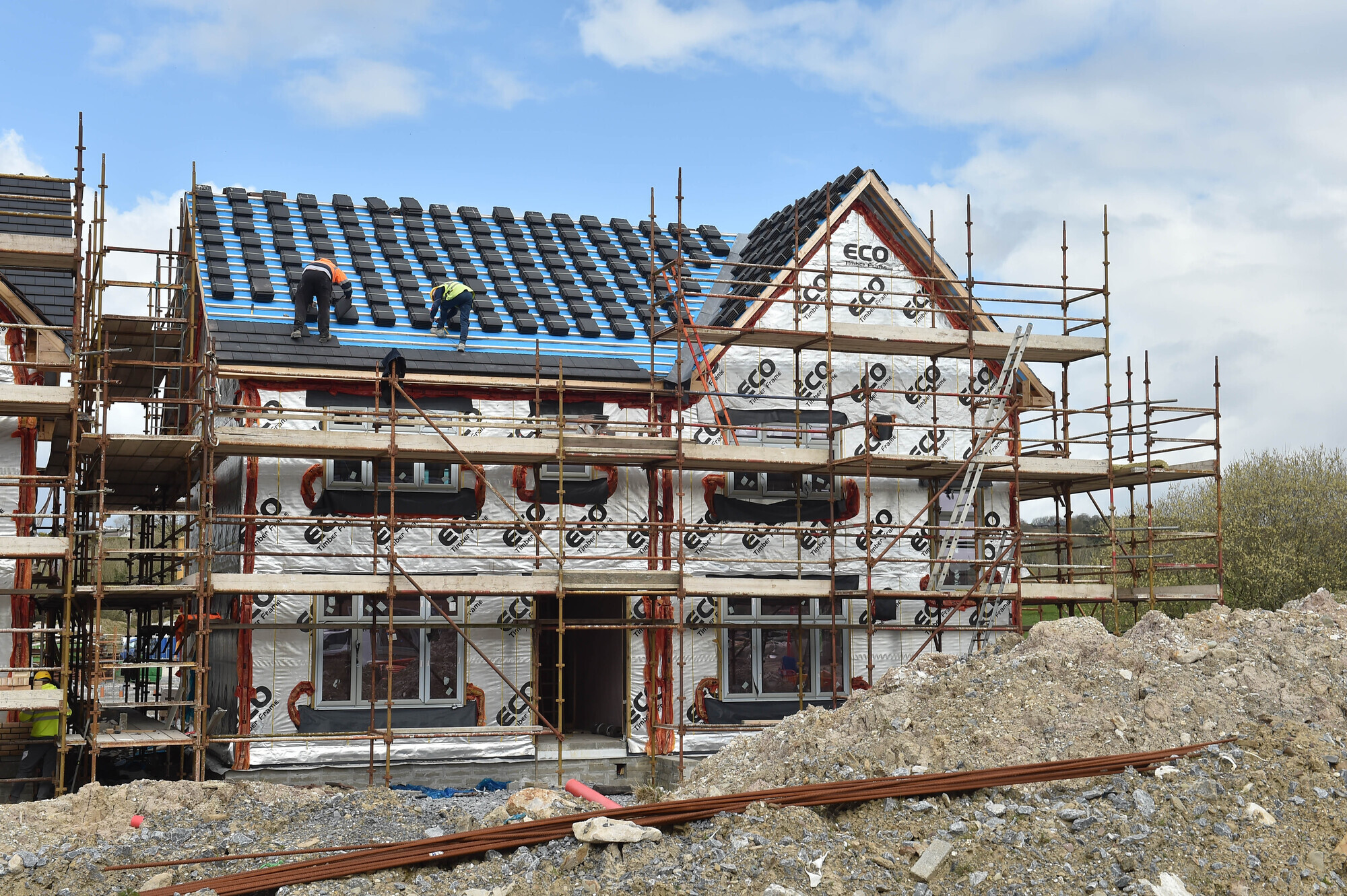
The cost of owning your house should be no more than one-third of your net income, but in many parts of the country, more than 50% of income is going on rent or the mortgage. Picture: Dan Linehan

For the first time in over a century, the generation entering the workforce today are worse off than the one that came before it.

For many, the promise of owning a home is simply beyond them, even those on decent salaries.

Next month will see the Government announce its major plan to end the now eight-year-old housing crisis.

While Tánaiste Leo Varadkar spoke at the weekend at his ard fheis of wanting to see 40,000 new homes built, the Government plan to be announced, entitled Housing for All, will target delivery of 33,000 new homes a year by 2025.

This target will not be achieved on the current trajectory and will require significant new measures.

Housing Minister Darragh O’Brien says the lack of progress on housing is due to the impact of Covid-19; about 800 homes were not built for every month the sector was shut down.

The new plan is set to cost in excess of €12bn per annum.

It will be delivered through a mix of capital and current spending for social and affordable units, as well as private funding for units for private sale and rental.

It is planned that 50% of new housing will be in the five cities, Dublin, Cork, Limerick, Galway, Waterford, and 30% in urban settlements elsewhere.

Affordability challenge

According to senior Government sources, the Housing for All plan has to tackle the affordability challenge.

In a normal situation, it is felt that the cost of owning your house should be no more than one-third of your net income, but in many parts of the country, more than 50% of income is going on rent or the mortgage.

This is not sustainable.

What is very clear is that the squeeze is most acute in Dublin, the commuter counties around it, Cork, Galway, and, to a lesser extent, Limerick and Waterford.

In Dublin, the median price for a new build home is €400,000. That would require a household income of over €100,000 to access the requisite mortgage.

Again, according to sources, the Government’s objective is to achieve purchase prices in the range of €250,000 to €325,000 in Dublin.

However, such a range would still only be accessible to households with incomes circa €85,000, whereas the national average income is €49,000.

So, what will be done?

Well, examining the existing stock, the plan envisages bringing up to 90,000 vacant or underutilised units into use.

It is also estimated that planning permissions for about 80,000 homes have been granted but not commenced, over the last five years, with half of these in Dublin.

This equates to four years of supply for Dublin.

One of the key elements of the plan will be to incentivise elderly people living in large family homes to downsize to more suitable accommodation in their area.

This move alone has the potential to release several thousand homes every year and could make a significant difference.

There is no one silver bullet in fixing the housing crisis, but there are already doubts as to whether what is proposed will be enough.

More in this section

Revoiced

Newsletter

Sign up to the best reads of the week from irishexaminer.com selected just for you.

Cookie Policy Privacy Policy Brand Safety FAQ Help Contact Us Terms and Conditions

© Examiner Echo Group Limited