Niamh Griffin: Maternity hospital delivery is long overdue and women and babies deserve better
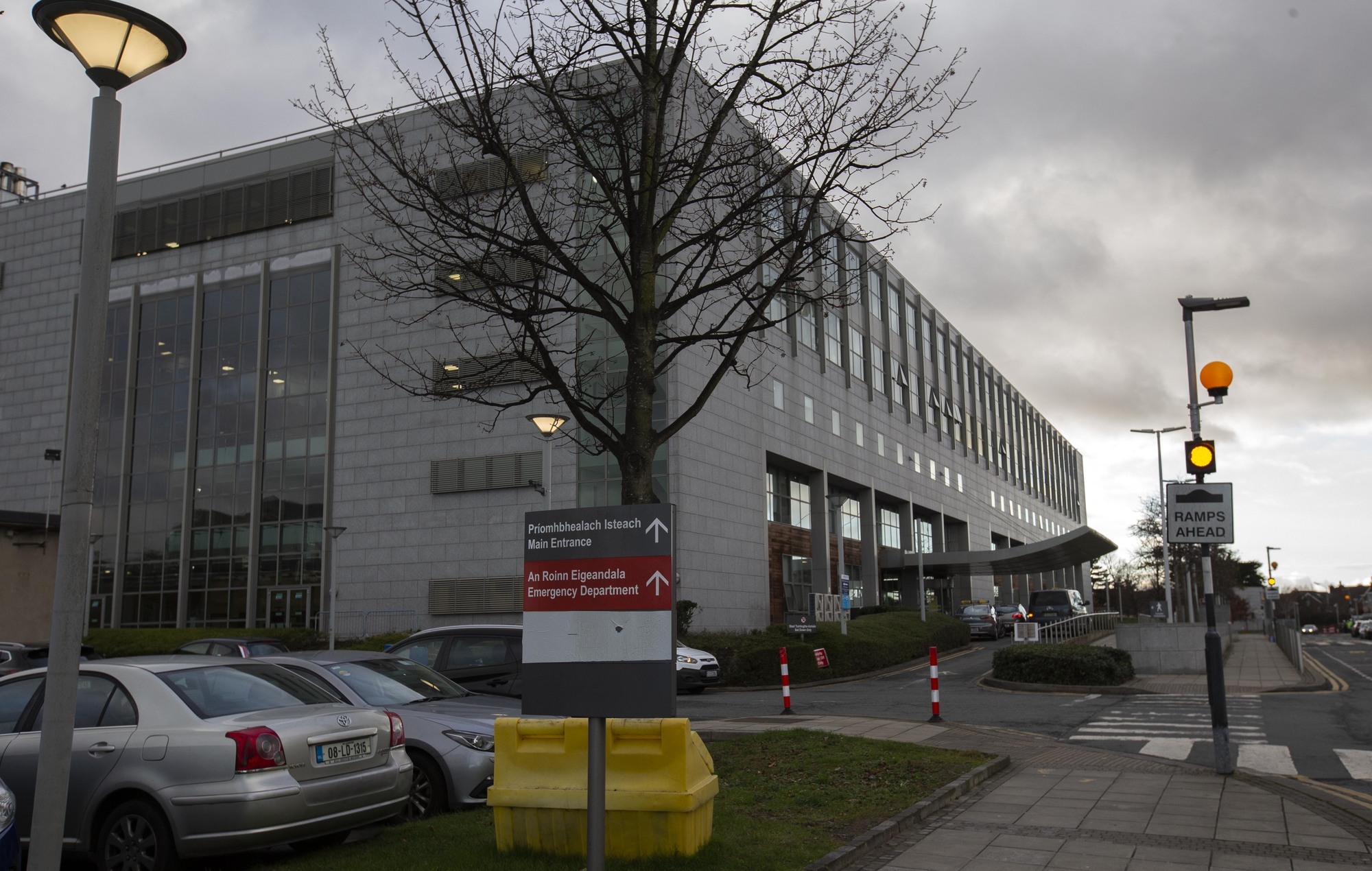
The Government’s stance on the ‘complex’ issue of the National Maternity Hospital project is not good enough, and women and babies deserve better
The Sisters, meanwhile, have begun the process to transfer their shares in St Vincent’s Healthcare Group to a new non-profit company, St Vincent’s Holdings CLG, which will oversee the hospital.

The Sisters, meanwhile, have begun the process to transfer their shares in St Vincent’s Healthcare Group to a new non-profit company, St Vincent’s Holdings CLG, which will oversee the hospital.

Every area of health was negatively impacted by the pandemic, maternity no less than others. 

For many healthcare workers and pregnant women, the pandemic ripped away the veil, exposing the problems with ageing buildings and babies being transferred between maternity hospitals.


The latest proposals for a new National Maternity Hospital (NMH) were conceived in the 1990s — babies born in Holles Street when this was first talked about could be parents themselves now. 

Since 2013, the NMH project has been government policy, along with plans to move the Rotunda and Coombe maternity hospitals, but eight years later all three plans have stalled.

Questions about the NMH were raised in the Dáil again last week — little to no construction has taken place.

Protest planned

A protest against the current proposals is planned for June 26, as concerns continue about the ownership and religious ethos of the hospital.

The NMH was established in 1894, but the building in use today was mostly constructed in the 1930s on the same site, funded by the Irish Hospitals Sweepstakes.

Its curious mix of recently installed high-tech units and dated architecture saw more than 8,000 births in 2019.

That staggering statistic includes acutely ill and pre-term babies from around Ireland transferred to its neonatal intensive care unit.

This unit and others have been installed since 2016 as the NMH resigned itself to delays and responded to critical reports from health watchdog Hiqa.

Women’s impressions of older parts of the building are less than favourable.

One woman who gave birth there twice described the interior as dark with cold walls and creaking floors, and said air conditioning was “badly needed for hot pregnant women, and the poor staff”. 

Many waiting rooms are just chairs lined up in corridors. During the pandemic, staff realised not a single corridor measures two metres wide.

However, those involved in the move have not been able to allay fears about the new hospital’s ethos due to its proposed location.

St Vincent’s Hospital, part of St Vincent’s Healthcare Group, was founded by Sr Mary Aikenhead, Religious Sisters of Charity, and has published values that echo those of its founder.

The connections to Magdalene laundries, including on Peacock Lane in Cork City, and to industrial schools, have proved too much for the public to accept.

During 2017, a series of furious campaigns took place, including large street protests outside government buildings. NMH board members, including former master Dr Peter Boylan, resigned.

Despite changes to the Sisters’ legal relationship to the hospitals, concern centres on ownership of the site where the building will be located.

Two years ago, when Professor Shane Higgins became Master at the hospital, he told media there was a clear timeline for the move, saying he was excited to see it happen.

He is still waiting. Just weeks ago, Prof Higgins and other senior staff, including former master Dr Rhona Mahony, wrote an open letter in The Irish Times calling for action.

Dr Rhona Mahony, former master, National Maternity Hospital, has called for Government action. File picture: Niall Carson/PA

“The National Maternity Hospital cannot continue to provide and deliver all of the services required for women and infant health in this current location,” they wrote.

The letter refers to temporary cabins used to reduce Covid-19 risks and other “sticking plaster” solutions.

They made clear they have no more objections at this point, saying the process “awaits only the final sanction now from government to proceed”. 

The Sisters, meanwhile, have begun the process to transfer their shares in St Vincent’s Healthcare Group to a new non-profit company, St Vincent’s Holdings CLG, which will oversee the hospital.

They said they have done “everything in our power to expedite the transfer”.

“We will have no role, whatsoever, in St Vincent’s Healthcare Group, the new independent charity or the new maternity hospital.”

However, Marie O’Connor, a member of the Campaign against Church Ownership of Women’s Healthcare and author of a book on symphysiotomy, is not convinced.

“The problem here is the Religious Sisters of Charity own the land, they own the site on which the hospital is to be built, and they are governed by Church law,” she said.

“The planning for the new maternity hospital to be owned by a private entity is the root problem. The State’s lease is 99 years, that is actually extremely short.” 

Tánaiste Leo Varadkar has expressed similar reservations about the leasing arrangements.

Ms O’Connor queries how St Vincent’s Holding will interact with the new hospital.

'Best outcomes'

A company document says the hospital will strive for “best outcomes… regardless of race, ethnicity, religion, gender or personal means”.

She questions whether this implies offering services similarly free of religious consideration.

She raises concerns about a section of that document which states that care will “reflect compliance with national and international best practice guidelines on medical ethics and the laws of Ireland”. 

Solicitor Jason O'Sullivan, principal at JOS Solicitors, said: “My own view is that unless the Government or minister for health provides legal guarantees or assurances, such concerns will not be alleviated.

“The use of the term 'reflect' is of itself vague and open to differing interpretations of what constitutes full compliance.” 

Maternity advocate Krysia Lynch, chair of AIMS Ireland, said: “Obviously, you want a state of the art hospital in place. But you don’t want it at any cost.” 

Referring to ownership of the site, she said: “Unless the details are ironed out now, we are going to end up with a flagship hospital that is not controlled by the State and not fully accepting of a secular ethos.” 

Dr Boylan has frequently suggested the State purchase the hospital site as the most legally sound solution.

Taoiseach Micheál Martin appears to support this, saying: “I think a basic requirement is that, in an ideal world, it would be that the taxpayer would own the facility that the taxpayer is investing in right into the future.” 

At the weekend, it emerged that while some in political circles contemplated buying the site, the Sisters said they received no such offer.

Could the State afford this?

Health Minister Stephen Donnelly has said estimates for infrastructure now come to €500m, with another €300m for equipment and transfers.

The HSE service plan includes the NMH move under €315m earmarked in capital funding.

Or is the more important question whether families can afford to wait any longer?

The plans include over 200 single rooms for public and private patients; a modern setting that could reduce the need for the draconian visiting restrictions we saw during the pandemic.

Writing in the Irish Examiner in 2018, columnist Alison O’Connor urged “just build the damn thing” and called for negotiations in parallel with construction.

Our shameful history of treating pregnancy as requiring a wedding ring to be deserving of respect and medical care should never be forgotten.

That shame is driving these protests and, indeed, the explosion of anger in 2017 brought significant change to how the new maternity hospital will be run.

It is not good enough for the Government to say the problem is complex, and leave it there.

Giving birth is complex, but thousands of women do it every year in Irish hospitals in which even the staff are not always comfortable.

More in this section

Revoiced

Newsletter

Had a busy week? Sign up for some of the best reads from the week gone by. Selected just for you.

Cookie Policy Privacy Policy Brand Safety FAQ Help Contact Us Terms and Conditions

© Examiner Echo Group Limited