Mick Clifford: 'Affordable' must have meaning in new Land Development Bill
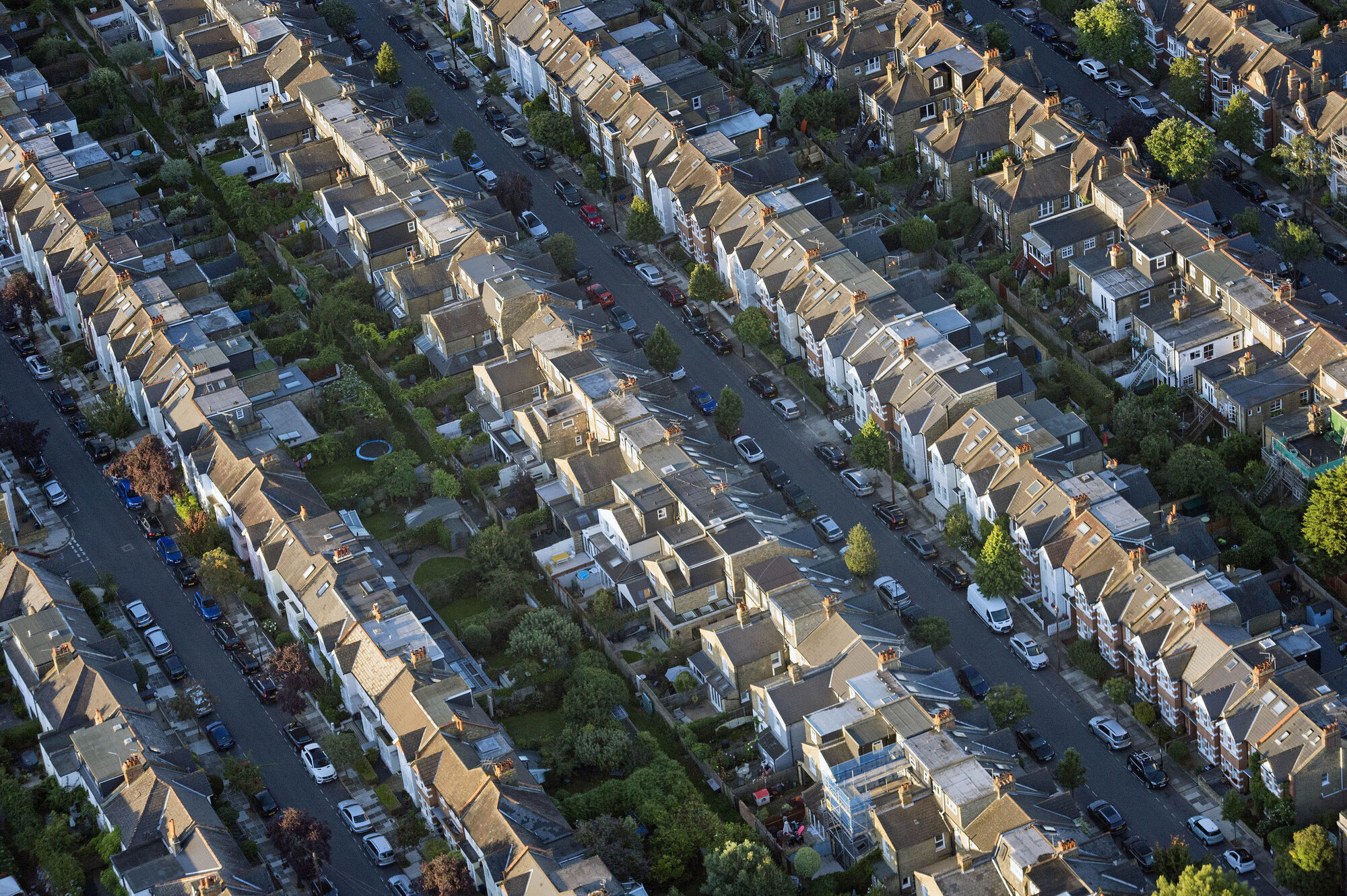
Housing is the most serious bread and butter political issue in the state. File photo: Victoria Jones/PA

Darragh O’Brien is a man to get things done and to hell with ideology. So the Minister for Housing would have you believe, according to his opening speech on this week’s Dáil debate on the Land Development Agency (LDA).
“I am committed to pragmatism over dogmatism and ideology and will leave no stone unturned in addressing the housing crisis,” he said.
Housing is the most serious bread and butter political issue in the state, with the obvious exception of the pandemic.
However, eyes often glaze over when quangos or acronyms and/or the word “development” is thrown out there. And perhaps some people would like eyes to glaze over so they can speed past any legitimate questions and worries.
So it went, to a large extent, during the conception of Nama. Today, Nama is the focus of a major investigation into its disposal of assets in the North. Questions are still being asked over its interpretation of doing the State some service.
If it could be constructed all over again, would Nama be set up differently? That’s as good a reason as any for the public to get their heads around the LDA and all its works.
The LDA grew out of a suggestion from the National Economic and Social Council (NESC), which recommended that a body should be formed to assemble public lands that could be used for housing. Look around your town or city.
There are plenty of old bus depots, ESB stations in disrepair, weeds pushing up through concrete where once a State body was in situ. Cleaning up, assembling, servicing these sites and handing them over – oven ready as Boris might have it – to build much needed housing makes perfect sense.
The last Fine Gael government picked up on the idea, ran it through the party’s ideological filter and came out with its own LDA. The new model would assemble land but would also play the role of developer. This would allow joint ventures with private developers on these lands, which would benefit both public and private sectors.
That idea got out of the traps in 2018. A target of building around 150,000 homes over the next 20 years was set out. A chief executive and chairperson were appointed, staff on Namaesque salaries retained and sites corralled.
The whole thing was motoring until being put in abeyance before the last general election. Then Fianna Fáil and the Greens agreed to a version of it in the programme for government and now it is en route to being made law.
Sinn Féin’s Eoin Ó Broin has sifted through a number of these problems, and he dealt with some of them in the Dáil on Wednesday. The biggest weakness of the LDA bill, he said, was the definition of “affordable”.
Attempting to make a home affordable is central to the whole basis for setting up the agency, but the Sinn Féin man sees smoke and mirrors.
“The word affordable is referred to in this bill probably more than any other,” Ó Broin said. “The problem is that it is absolutely meaningless.”
Affordability in the bill, he pointed out, was linked to market value rather than the capacity of prospective owners to afford a home.
The issue is central. What the bill defines are “discounted” homes, rather than affordable. In some areas of Dublin, Cork and other cities, a discounted rate is still completely beyond the purchasing power of most couples or single first-time buyers.
Does that defeat one of the principal reasons for setting up the agency in the first place?
Ó Broin also pointed out that contrary to pledges in the programme for government and the bill, parts of the LDA would not be covered by the Freedom of Information Act.
Sinn Féin Housing spokesperson @EOBroin has criticised the government for its 'lack of urgency in tackling the social and affordable housing crisis' following the revelation that the first LDA homes will not be ready until 2023.https://t.co/1A2Z8woNsg pic.twitter.com/TeixsoH84M
— Sinn Féin (@sinnfeinireland) February 18, 2021
The agency plans to set up subsidiaries for joint ventures, and these entities will be exempt from any public scrutiny, including the FOI Act.
Can you smell the lawyers warming up for a raft of expensive inquiries in the future when something goes pear-shaped?
The Social Democrats Cian O’Callaghan touched on another issue. NESC, and other bodies, recommended that any land agency must have strong compulsory purchase powers in order to make the best use of public land.
CPO is routinely used in constructing roads. Surely the current morass in housing demands a commensurate degree of power be granted there?
“Yet such powers are effectively missing,” O’Callaghan told the Dáil.
“It has powers around infrastructure and ransom strips but it is limited to that. The role of the agency, therefore, is going to be very limited. These powers are a key part of what we need in a strong and effective LDA to drive down the costs of housing and to make it much more affordable.”
The reality is that if the LDA is a player in the developer market, it simply can’t be granted the kind of strong CPO powers that everybody else says are absolutely necessary. That kind of unfair competition would inevitably lead directly to the Four Courts.
These are just a few of the issues touched on in second-stage reading of what is looking like a defective bill, signposting unintended consequences. There is much else in the entrails of it that requires considered scrutiny if it is to be deemed worthy of progressing into law.
Mr O’Brien just wants to get on with it, shoo away the ideologues who might slow down his march towards achievement. In reality, most of the objections are based on common sense, experience and an attempt to ensure democratic accountability for huge sums of money and thousands of homes.
Scrutiny from the body politic, media and the public is required to ensure that this will not be a case of acting in haste, to repent in leisure when most of the main actors have moved off the stage.

CONNECT WITH US TODAY



Be the first to know the latest news and updates