Uber wants to disrupt Ireland's taxi regulation. Here's how and why it's being resisted

Irish man James Farrar won a landmark case against Uber in the UK supreme court in 2021. The group he founded is taking an international case against Uber for its 'upfront pricing’ systems. Picture: Niklas Halle'n/AFP/Getty
For many, it was just a question of time before Uber found a chink in the Irish regulatory framework. How it plays out over the next weeks and months will have far-reaching repercussions not only for the Irish taxi sector but also for the world of work.
A decade or so ago, against the backdrop of the global financial crisis, a new beast emerged, the so-called platform economy.
Spearheading the disruption was Uber, a term that has entered the urban vernacular in many metropolises , usurping its predecessor — to use ‘taxi’ or ‘cab’ nowadays is to reveal your age.
So, what makes Uber different? For starters, Uber does not own the cars nor directly employ taxi drivers. Instead, it operates a digital platform that connects drivers and ‘riders’ (passengers) in real time. It is reliant on network effects, using algorithms to match supply (drivers) and demand (customers).
When Uber first launched, it adopted the classic model for calculating fares: The price of a journey was based on time and distance.
Uber’s cut was a fixed percentage of the price paid by the customer. Over time, Uber gradually moved to ‘upfront pricing’ where the price paid by passengers, the allocation of rides to Uber drivers, and the payment received by drivers, are automatically determined based on a host of unknown factors.
Hence, to say that the algorithm is opaque is an understatement. A Dutch appeal court concluded that upfront pricing — which is now operational in Dublin — contravenes GDPR legislation.
In Ireland, Uber was established in 2014, albeit with a difference. Whereas elsewhere, grabbing an Uber means calling a guy with a car, in Ireland, due to Irish regulations, Uber drivers are required to have a taxi license and a licensed vehicle.

This difference is not down to a lackadaisical lobbying campaign by Uber. From the Uber files, we know that the company struggled to make inroads with the taxi regulator, the National Transport Authority (NTA).
Having failed with the regulator, the company turned its attention to lobbying the government by employing John Moran, who had just resigned as the Department of Finance’s secretary general (he’s now the directly elected Mayor of Limerick).
As part of the charm offensive, Uber opened a centre of excellence in Limerick.
Yet, despite this and Fine Gael’s election promise to promote the 'sharing economy', the then new transport minister, Shane Ross, was not for turning, and in June 2017, the NTA director of taxi regulation Hugh Creegan told Uber in a letter that it is not supportive of its model.
In the post-covid context, Uber launched in over 20 towns and cities across the country.
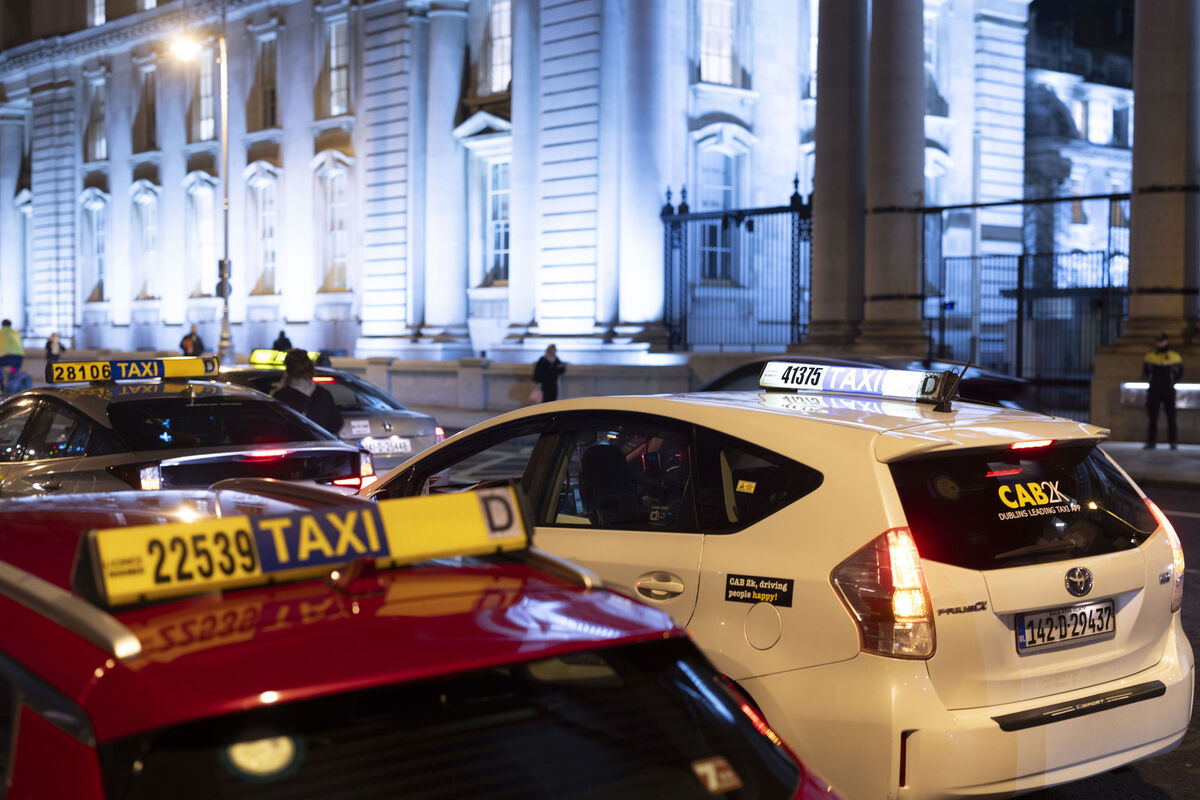
Today, approximately a third of Ireland’s 17,000 taxi drivers make use of Uber to source fares. Having increased its presence, Uber sought to challenge the regulatory framework by introducing a maximum fare option at the beginning of November.

This has caused much consternation amongst taxi drivers who have organised and mobilised to protest against Uber’s sleight of hand.
This resistance might not be popular, but it is necessary if the profession as we know it is to be defended.
Recently, colleagues at UCD organised a seminar on how to promote decent work in the platform economy to debate the ongoing discussions at the ILO (the International Labour Organization) on a proposed platform work convention.
In attendance were academics and representatives from the unions, employers, and the government. Discussion swiftly turned to the question of Uber.

Anne Keegan, an authority on platforms, made an insightful observation.
Paraphrasing, Professor Keegan said that what is happening in Dublin is straight out of the Uber playbook.
By creating downward price competition, the livelihoods of taxi drivers will become untenable.
They will then, understandably, leave the profession, thereby creating a shortfall. Consumer dissatisfaction will grow, putting pressure on the government to fix it. Enter Uber to save the day.
A new independent study by researchers from Oxford University in partnership with Worker Info Exchange (WIE), reveals that Uber’s introduction of dynamic pay has reduced driver pay, increased Uber’s commission, and made pay more unpredictable and unequal for its workforce.
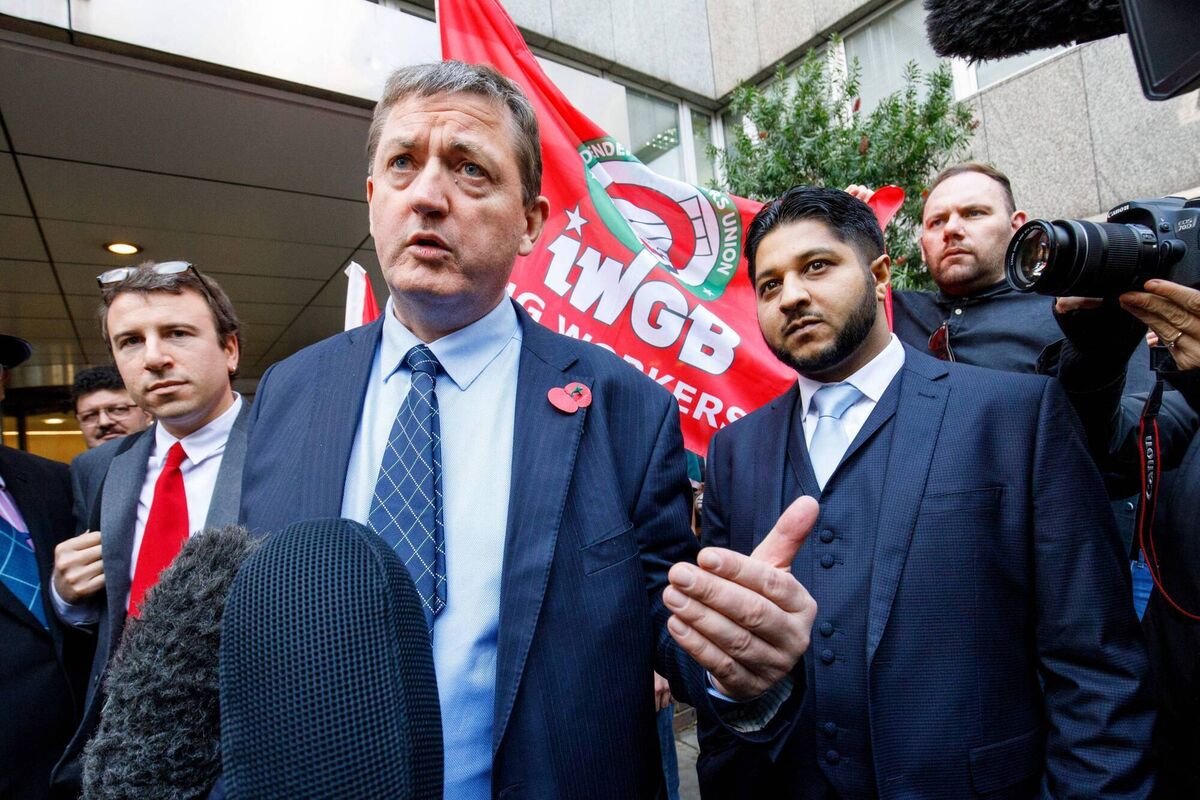
WIE was co-founded by Irishman James Farrar, who won a 2021 case against Uber in the UK’s supreme court on the question of employment classification.
When asked about developments in Ireland, Farrar said:
WIE is bringing Uber to court for having breached data protection law, with its ‘upfront pricing’ systems described above.
According to Farrar, these “unlawful” systems have hit taxi drivers in the pocket, and they are now forced to work longer hours to secure the same standard of pay.
The collective case will be heard in the Netherlands and involves UK, Dutch, and other European drivers, including several Irish drivers.
If Darragh O’Brien, as transport minister, and the NTA are to look the other way, they are effectively making a mockery of GDPR and the maximum taxi fare structure, which is designed to ensure that taxi drivers can earn a decent standard of living.
Fares are fixed taking into consideration the interests of stakeholders including consumers, and economic factors such as inflation. Having the sector regulated ensures not only that you get a taxi driver with a licence but also confirms safety standards.
With Uber, anybody with a car can moonlight as a taxi driver. Once Uber has succeeded in deregulating the industry, they can jack up the fares and add in all sorts of charges, as has occurred elsewhere.
It is one thing to know the price of things, but it’s quite another to know their value.
As a society, we have to ask what we want from our taxi drivers and politicians. Are decent working conditions for taxi drivers too much to ask for?
- Darragh Golden is an Ad Astra fellow and assistant professor in employment relations at University College Dublin. He is the author of (ECPR Press) and co-author of (Cambridge University Press).

CONNECT WITH US TODAY



Be the first to know the latest news and updates