Alex Cooney: How safe is your child online with 750 'friends'?
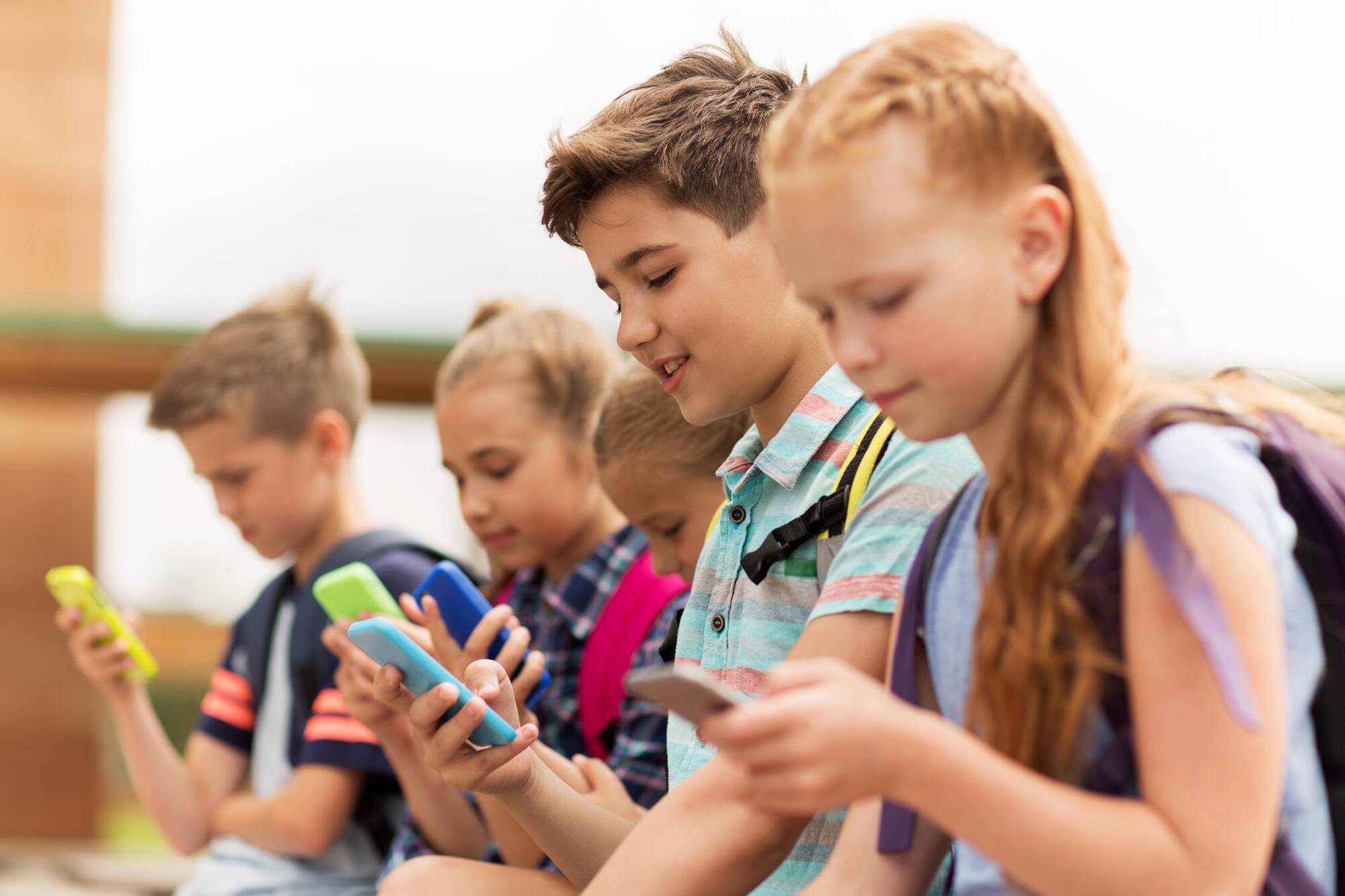
Since the different levels of lockdowns last March. we have relied on technology to meet so many of our children’s needs (as well as our own of course) – whether it’s homeschooling, socialising or entertainment. Picture: iStock
Today marks Safer Internet Day, an initiative launched by the European InSafe Network in 2009, as an opportunity to raise awareness about how global users can be safe and smart online. It’s an important reminder, since there are thought to be 4.6bn users in the world today, with 875m new users every day. A significant proportion of the digital population are children and Safer Internet Day is a good moment to highlight the need to protect and empower children in particular.
We know what kids are doing online both through our conversations with them in the classroom (or webinars). As part of our Safer Internet Day campaign in 2021, we have released a snapshot of some of our latest data: this data is based on responses from over 2,000 eight- 12-year-olds, the age group on which we principally focus.
One of the most interesting findings was a significant increase in the number of children on social media and messaging apps. In our survey, we ask children the question “Please tick any of the following social media and messaging apps (only the apps that you use yourself on your own account!)”.
We also provide an option to tick a box saying “I’m not using any social media or messaging apps” for those who are not yet online in that way.
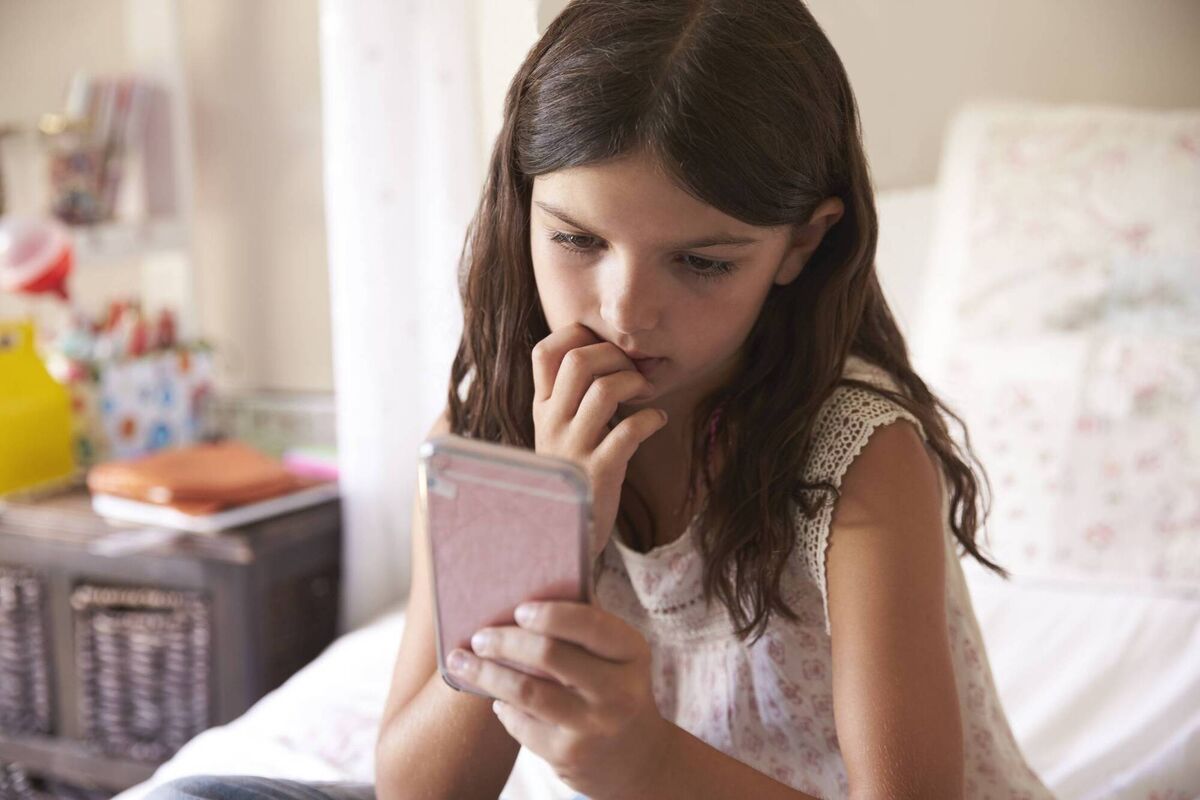
We found that the number of children who said that they were using social media and messaging apps was currently 82%. This is a significant increase on the figure in our most recent annual report, published in September 2020, when it was 65%.
Given that the minimum age restriction on all of the most popular apps is 13 and in some cases (like WhatsApp, the second most popular app in our round-up of data), it’s 16. Unsurprisingly perhaps, TikTok is the most popular app, with 46% of those surveyed already active on it.
I think it’s important to acknowledge in any discussion about children’s online lives that there are huge benefits and opportunities that come with being online.
This has never been more apparent than in the different levels of lockdowns since last March. We have relied on technology to meet so many of our children’s needs (as well as our own of course) – whether it’s homeschooling, socialising or entertainment.
It is a natural inclination of children to want to socialise with their peers offline and the opportunities to do so in the strictest lockdowns, such as the current period, have been so much more limited. This is probably one of the reasons why we’re seeing an increase in children becoming even more active on social media currently.
The Children’s Mental Health Report (2019) found that 81% of teens surveyed said social media made them feel more connected to their friends. We can imagine the subsequent lockdowns have only intensified this feeling.
Is this necessarily a bad thing? Of course, as a parent myself, I know how important it is to find ways for my children to be able to engage with their peers and Zoom and WhatApp are now almost verbs in themselves in my house (ie can I WhatsApp Josh?). I think we need to remain mindful, however, of what it means for our children to be set up with their own accounts on social media and messaging apps.
It is of course up to individual parents to decide what is the right age for their child to be on TikTok or House Party.
At CyberSafeKids, we want to ensure that the decision is an informed one – based on research and conversations with other parents and teachers – perhaps particularly ones with slightly older children who have been through all of this ahead of us.

Ideally, it shouldn't simply be simply because your child has pestered you for too long and it just seems easier to say yes! Many kids will come home and tell their parents they are the “only one” who isn’t allowed on a particular app and that can be a powerful argument, as no parent wants their child to be the one that’s left out.
Tapping into the parent community at your child’s school might give you very different answers, so talking and sharing your experiences and challenges with each other can really help you make more informed decisions.
If you do decide that TikTok or Snapchat (or whatever your child is keen to be allowed to use), is fine for your child, then it’s important to think about how they are using it.
Exploring the app together might be a good starting point; particularly learning about how to set the account to ‘private’ so only their selected friends can view their content, and they have control over who is following their posts.
Most often, accounts are set to public by default (which is unacceptable in the age of data protection, but that’s a conversation for another day).
Enable safeguards where possible – for example, on TikTok ensuring the account is recognised as one for a child so things like ‘comments’ on videos will be disabled, as is the ability to download a video.
Using the apps on a shared family device will also give you input, allowing you to manage your child’s activity in a transparent and supportive way – like a set of training wheels for the world of social media.
Keep an eye on the content they’re consuming, talk about what is and isn’t okay to post (for example no personal information), kindness online and importantly, who they’re talking to.
We know that a significant number of children we survey have friends and followers online that they don’t know in real life, and that’s a concern.
Ask yourself: does any 12 year old really know 750 people?! We’re encouraged to share, share, share and often paint quite a personal picture of our lives on social media: do we really want our children to be sharing such information with people they don’t know?
Social media influencers (supposedly the number one career choice of children in the US in 2019) and celebrities have thousands if not millions of followers, and that can be confusing for a child. It can set unrealistic expectations for them, but what children often don’t see is how carefully curated the picture they see of these influencers’ lives actually is.
It’s essential we cultivate this ‘digital literacy’ and encourage in them a healthy scepticism towards whatever they see or read online.
Sadly, the importance of the message about what we’re sharing online and with whom is really brought home by sobering statistics released by the National Center for Missing and Exploited Children (NCMEC) in the US, which found a 98.66% increase in online enticement (contact from predator to child) reports between January-September 2020, versus the same time period in 2019.
They also noted increased chatter in the networks they monitor in the first quarter of 2020 about children being more likely to be online and about the increased opportunities to contact children who were less supervised.
Clearly, even the possibility of children being groomed online is something of which parents need to be aware, as remote as it may seem. This really brings home the importance of parents putting in place good strategies to manage the opportunity as well as the risk, with good communication between parent and child about what they’re doing online being number one.
At CyberSafeKids, we want to ensure every child has a safe and positive experience online, and that they are making smart choices to enable them to make the most of the opportunities online for them to learn, create, collaborate, socialise and have fun. With the right supports in place, that can be achieved.
• Alex Cooney is the co-founder and chief executive of CyberSafeKids – www.cybersafekids.ie


CONNECT WITH US TODAY



Be the first to know the latest news and updates