Billy Kelleher: The EU can, and must, speed up vaccine delivery
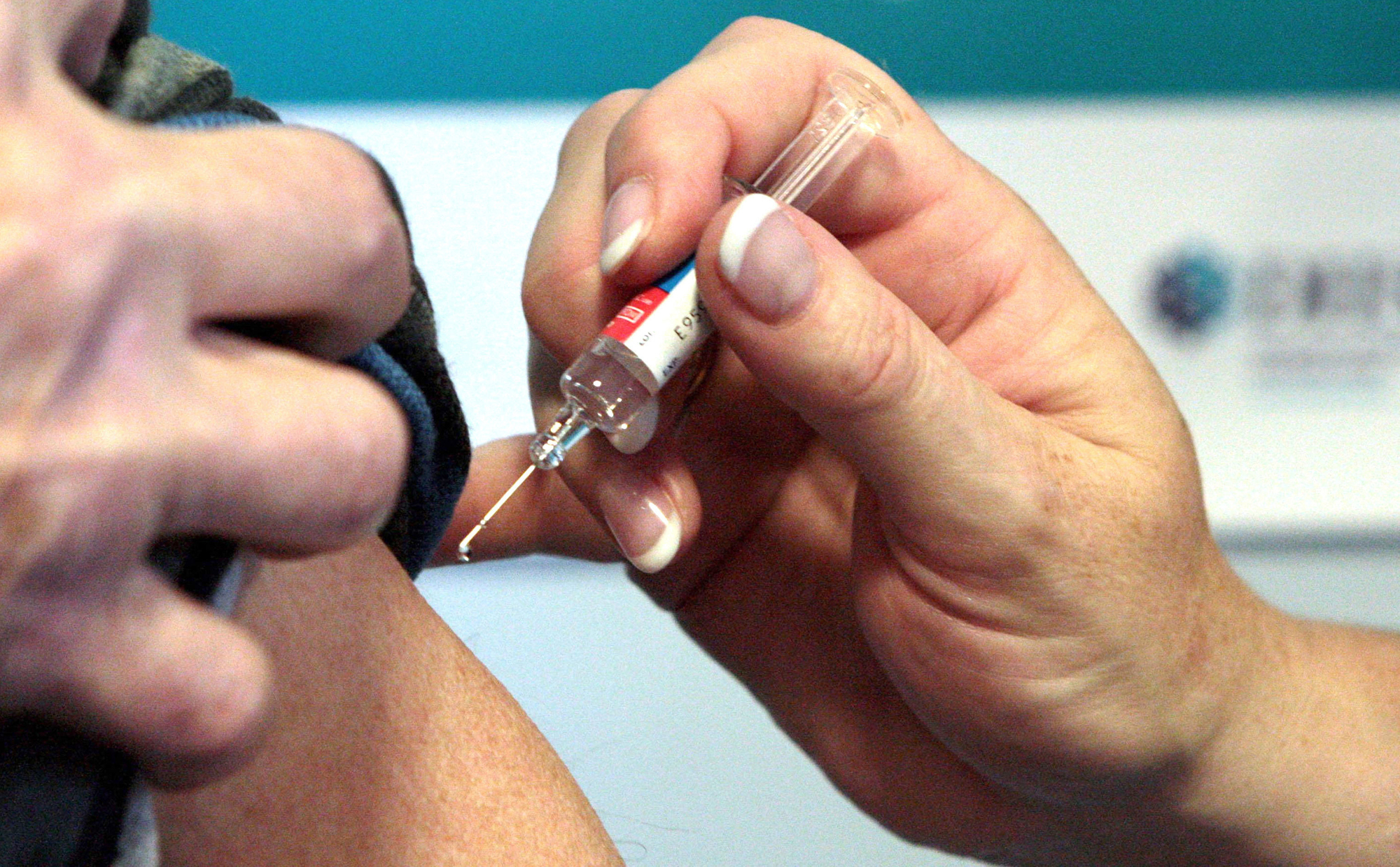
The use of advanced purchase agreements did mean the EU got the vaccines at a lower price. However, did that mean we fell down the delivery list? Was it worth it? The effort to save a few euro on each vaccine is in vain when, in Ireland’s case, every two weeks of level 5 lockdown costs the State in excess of €1bn.
The EU’s ongoing dispute with AstraZeneca has dominated the news over the past week. And rightly so. However, it’s not the only part of the bloc's vaccine strategy that has been mired in controversy.
Eyebrows have been raised in capitals across the union thanks to tardy authorisation processes, the lack of transparency on contracts, and certain member states trying to jump the queue by doing side deals with vaccine producers.
I never expected the EU vaccine programme to proceed without a hitch or a glitch. To think otherwise demonstrates a lack of understanding about the pandemic itself and the hurdles faced when trying to co-ordinate the vaccination programme across 27 member states for 450m citizens.
Crucially, there are things the EU can control and there are things it cannot. Let us start with those things it can control.
The European Medicines Agency (EMA) is tasked with scrutinising all potential drugs before they enter the market and deciding if they are safe for human consumption. It can decide to award an exceptional or conditional authorisation. To date, the EMA has used the more thorough and lengthy conditional authorisation process for all approved vaccines. This is in stark contrast to the US Food and Drug Administration and the UK’s Medicines and Healthcare Products Regulatory Agency that opted to grant exceptional authorisation that requires less data to be presented.
As a result, the EU has faced delays in the authorisation process and will continue to experience delays as more vaccines, such as the Johnson & Johnson, CureVac, and Novavax options come to the market. The EMA has decided to take a more cautious approach as it limits its exposure if any of the vaccines prove to be unsafe, but it does increase the time taken to get the vaccines into people’s arms.
We cannot wait until March or even April for approval of the Johnson & Johnson and NovaVax vaccines. The regulators are analysing the same drugs based upon the same data. Let’s find efficiencies and avoid duplications.
MEPs have been continuously calling for greater transparency from the European Commission and the pharma companies on the terms of the contracts. While publication requires the agreement of both parties, the commission should be applying more pressure, and insisting. As of now, only the CureVac and AstraZeneca contracts have been published. We have yet to see the Pfizer BioNTech or Moderna contracts. The pharmaceutical companies need to recognise the importance of transparency when tens of billions of euro and millions of lives are at stake.
The commission and member states will need to reflect on, and decide for themselves, whether they placed too much emphasis on getting the cheapest price possible for the vaccines. The use of advanced purchase agreements did mean the EU got the vaccines at a lower price. However, did that mean we fell down the delivery list? Was it worth it? The effort to save a few euro on each vaccine is in vain when, in Ireland’s case, every two weeks of level 5 lockdown costs the State in excess of €1bn.
On Friday, the EU Commission moved to make it very clear to producers that it would not accept any backsliding in honouring their contracts. The commission was right to make it clear that it was prepared to leverage its power to block the export of EU-made vaccines to non-EU countries, but it was a grave misjudgment to include the triggering of Article 16 of the Northern Ireland Protocol in this approach.
It was a big mistake, as the Taoiseach told the commission president late on Friday. The NI Protocol is vital to ensuring seamless progress across the island of Ireland. The EU Commission recognised this and has quickly moved to correct its mistake. Nevertheless, it should never have happened. I will be raising this at the highest levels in the commission.
The commission must do all in its power to secure and protect vaccine supplies for EU citizens. The EU is right to put down a marker to demonstrate to other vaccine producers that it can and is willing to take any necessary measures to enforce the contract agreed.
Of course, last Friday’s announcement by the EMA to authorise use of the Oxford AstraZeneca vaccine for all adults is a welcome boost. What will now be interesting to watch is whether other member states adopt the same strategy as the Germans and not approve it for the over-65s.
There is an assumption that with additional data being collected and analysed, the German authorities and other sceptics of the efficacy of the AstraZeneca vaccine for older populations will approve it for all adults. However, until that happens, the inconsistency between the EMA’s analysis and that of the German Robert Koch Institute will be a cause for concern.
Despite this positive news, the Government still faces challenges. Delivery of AstraZeneca vaccines up to the end of March will be considerably lower, leaving Ireland’s total vaccine deliveries short by at least 300,000. This will put a major hole in the Government’s vaccination strategy. Strong, clear communication is needed with the public to assure them that vaccinations will continue and that all efforts are being made to increase supplies of other vaccines.
Planning a vaccination of the whole population is, on its own, a major logistical task. Add to that the uncertainty that comes with having little control over the most limiting factor — vaccine supplies — and it becomes even more difficult.
While we are facing logistical challenges and uncertainty, this is not new in the era of Covid-19. Let’s remember that, 12 months ago, most of us had never heard of Covid-19 and now we have up to six vaccines almost ready to be administered. We have done in 10 months what usually takes 10 years. Sometimes we need to stop and recognise what our scientists have achieved in record time.
Despite the immediate supply challenges, once the Johnson & Johnson, NovaVax, and CureVac vaccines are approved, Ireland will receive its 1.1% supply, amounting to a minimum of 5.2m doses, of which 2.2m can be administered as a single dose. Add to the ongoing deliveries from Pfizer, Moderna, and AstraZeneca, there is hope that some form of normality can return by the summer.
Quite quickly, attention will turn to other question such as how long the different vaccines provide immunity; do we need booster shoots, and should we, like with the winter flu, expect to be rolling out annual, combined vaccine programmes?
Moreover, until the entire world, and not just the EU and other high-income countries, gets vaccinated, we will still face obstacles to returning to normality. As EU citizens, we should be very proud that the EU is doing the right and responsible thing by purchasing millions of vaccines for low-income countries. This is global solidarity in action.
- Billy Kelleher is an MEP for Ireland South constituency