Six weeks to Brexit: Ireland must minimise the hit on agri sector
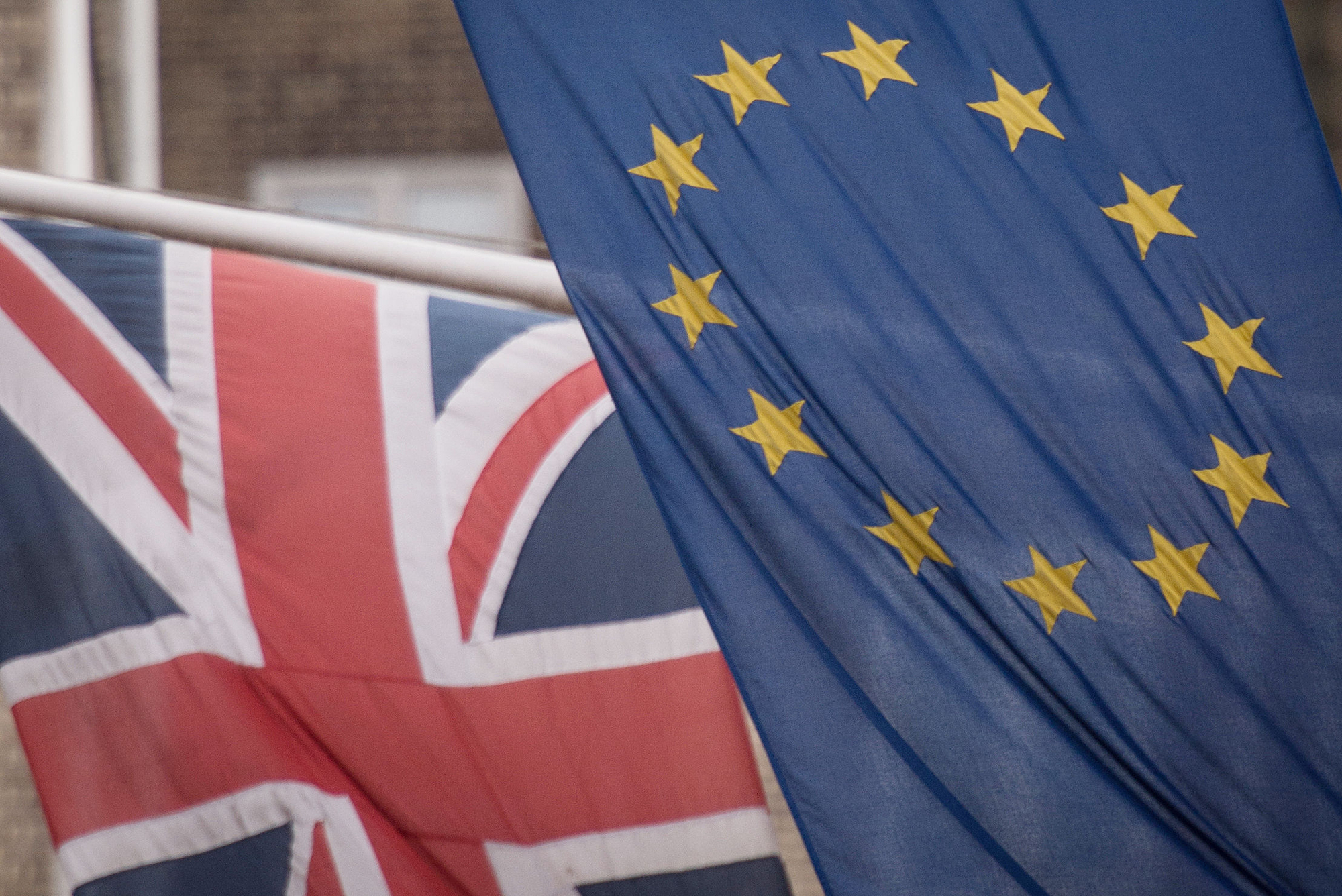
We are just six weeks to the end of the Brexit transition period on December 31.
With or without a deal, Brexit will impose customs administration and product inspection, causing costly delays.
A study from University College London in September shows that even an increase of 70 extra seconds per truck would cause a six-day queue at British ports.
An extra 80 seconds would lead to irretrievable, permanent gridlock.
Perishable food exports, and just-in-time distribution chains, cannot cope with the delays predicted. They will also add cost, damaging competitiveness.
The UK Global Tariff, published last May, stands to cost Irish food exporters between €1.35bn and €1.5bn per annum, according to the Government’s Brexit Readiness Action Plan.
We estimate this would add almost €1.5/kg additional cost to the export of Irish cheddar cheese (around 20% of current average retail price), and an average of €2.68/kg for beef (approx. 74% of the product value).
Many Irish food exporters have reported that their UK clients are demanding Delivery Duty Paid (DDP) terms — ie that import tariffs be paid by the exporter.
In addition, they are often unwilling to undertake any customs or import related administration, so that some Irish exporters are now finding they may have to establish some sort of structure in the UK to be their own importers.

All of this will add significant cost pressure back up the chain, which will cost farmers as well as processors.
On the day before the 2016 Referendum on Brexit, €1 was worth around £0.76.
Today, it is around £0.90, with parity in sight.
Currency volatility has challenged our exports’ competitiveness for the last four years, with beef bearing the brunt over that period.
Meanwhile, the UK has also opened trade talks with New Zealand, Australia, the United States, and Canada. This has the potential for inferior standards of food safety, animal health and welfare, and the environment.
The pursuit of a ‘cheap food’ policy by the UK, which currently imports 26% of its total food consumption from the EU, clearly motivates those negotiations.
Brexit will also likely cause market disturbances and product displacement globally. Coming in the middle of Covid-19, this could destabilise agricultural commodity markets for the longer term.
In August 2014, Russia introduced an embargo on food imports from the EU among others, in retaliation to sanctions over its aggressions towards Ukraine and Crimea.
The common point between Brexit and the Russian ban of 2014, is that they are both geopolitical events outside of our control, but in which the agriculture sector, especially farmers, take the brunt.
However, while the Russian ban affected just over €5bn worth of EU food exports, Brexit will be eight times greater at over €40bn.
Irish exports will be joint third worst affected in value with France, behind the Netherlands and Germany.
Also, while the UK accounts for 18% of total Dutch food exports, 9% of France’s and 8% of Germany’s, it represents 38% of Ireland’s — despite many successful efforts at diversification.

Fresh fruit and vegetables, pigmeat, and most of all dairy products were severely affected by the Russian ban — and it took close on two and a half years for dairy prices, also affected by lower Chinese imports and increased global output, to recover after the market disturbance kickstarted by the ban.
The EU responded to the Russian embargo with close on €1.5bn worth of market and farmer supports.
Those included extended intervention purchases and private storage subsidies, direct financial supports to farmers, matched by national funding, subsidised voluntary reduction in milk production, promotion campaigns, incentives to green harvesting and free distribution of perishable produce and the provision of funds which in Ireland were used to seed low cost cash flow and investment loans.
Last July, the EU agreed a €5bn Brexit Adjustment Reserve Fund. Our Government must secure the lion’s share of it for Ireland’s agriculture sector.
The EU must seek a deal which provides for the closest possible trading relationship.
However, the types of supportive EU measures provided in 2014 to 2017, accompanied with laxer EU State Aid regulations and a temporary suspension of imports and trade negotiations with third countries, will be crucial to manage and minimise the hit on Irish agriculture, and provide the necessary income supports for farmers.