Kevin McPartlan: Ultra-fast charging points will be key to electric vehicle success
Kevin McPartlan, CEO of Fuels for Ireland, says Budget 2021 will be an important step towards Ireland's bid for carbon neutrality 
Kevin McPartlan: Ultra-fast charging points will be key to electric vehicle success

Kevin McPartlan: A just transition to carbon neutrality by 2050 remains absolutely essential. File picture.

As we battle a global pandemic and the economic impacts from it, it can be hard to maintain our focus on the other global emergency – climate change.

A just transition to carbon neutrality by 2050 remains absolutely essential.

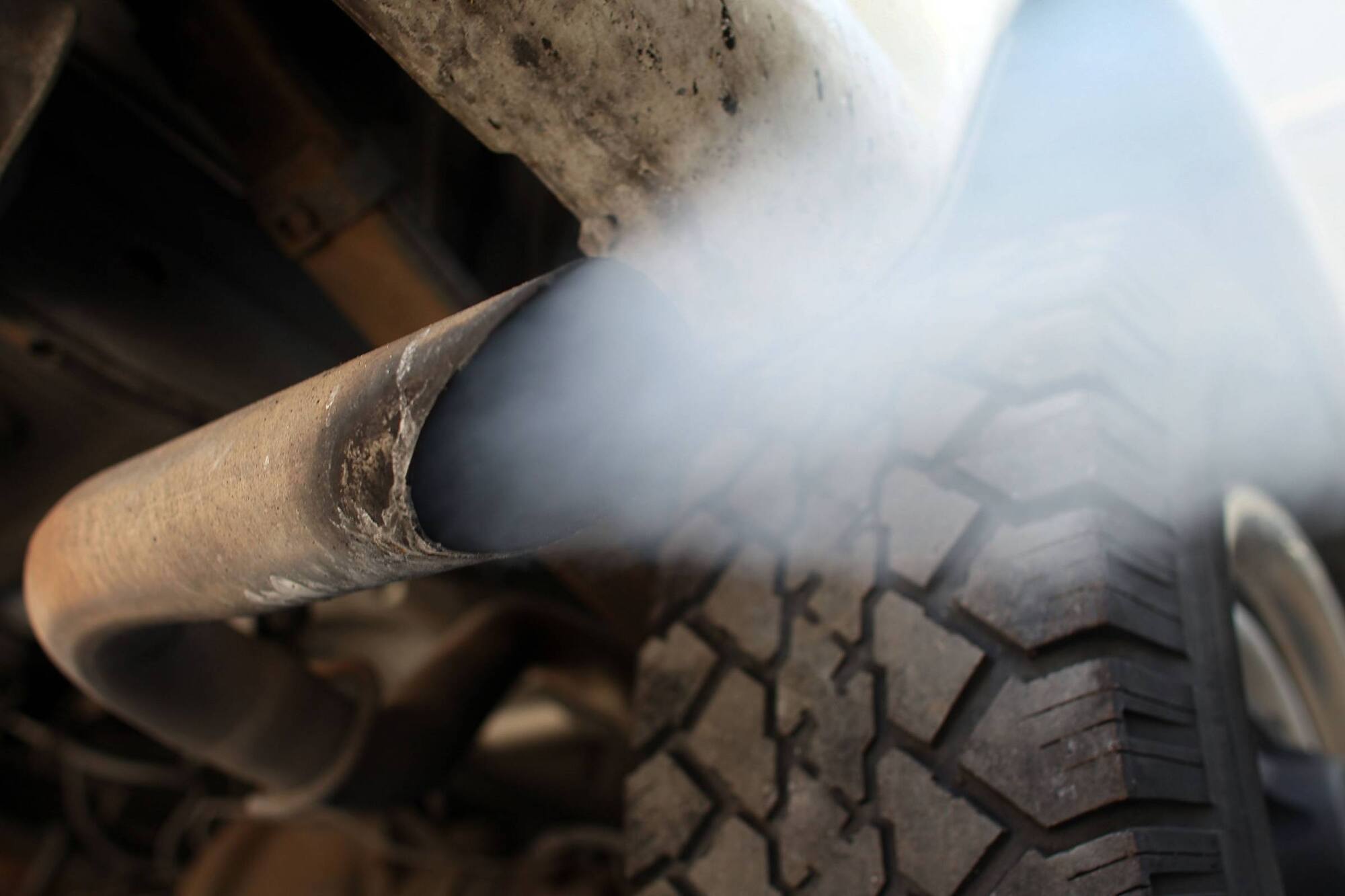
We must all reduce energy consumption and ensure that the environmental impact of the fuels we use is reduced and ultimately eliminated.

Fuels for Ireland’s landmark ‘Powering today and tomorrow’ strategy document sets out in detail how forecourt operators, home heating suppliers and other liquid fuel providers are transforming their operations.

Fueling change

Ultra-fast EV charging points will be prominent in forecourts of the future, along with advanced, synthetic and biofuels, as well as hydrogen for fuel cell electric vehicles.

Already, 330,000 tonnes of carbon emissions are being prevented annually thanks to the use of zero-carbon biofuels in petrol and diesel, and we have called on the Government to mandate the doubling of biofuel in petrol in 2021 to reduce emissions by a further 50,000 tonnes each year.

Tax policy can be used to support and even drive necessary behavioural changes.

That is why the Government would be right to honour its commitment to increase the carbon tax by €7.50 per tonne of carbon emitted.

This might sound strange coming from the CEO of Fuels for Ireland, which represents suppliers of the liquid fuels which power our road transportation, heat our homes and keep us connected to the rest of the world via air and sea transportation, but we know fossil fuels cannot be the basis of Ireland’s long-term energy plans, or our long-term business strategies.

The industry already makes an enormous contribution to the State’s revenues each year.

In fact, the total tax take from oil products was over €3.2 billion in 2019, much of which is already being used to help support our energy transition.

What is more, the Department of Finance’s Budget 2021 Tax Strategy Group papers showed that increasing the carbon tax from €26t/CO2 to €33.50t/CO2 from January 1, 2021, would raise an additional €149 million in the course of just one year.

This tax incentivises a shift towards the use of low-carbon technologies, and the revenue generated is ring-fenced to support initiatives aimed at achieving Ireland’s climate and energy goals.

In contrast, the Government’s recent decision to force through the National Oil Reserves Agency (Amendment) and Provision of Central Treasury Services Bill 2020 was an example of how climate policy should not be devised.

This continues the policy which has seen Irish motorists, households, farms and businesses paying a stealth tax of 2c on every litre of petrol and diesel.

People living in cities can avail of public transportation and improved cycling and pedestrian infrastructure, whereas those in the countryside often have no choice but to drive.

Penalties and alternatives

In urban areas, the gas grid means that home heating needs can easily be met, but in the countryside, most people depend on home heating oil.

The NORA levy was only ever meant to fund the operations of the National Oil Reserves Agency, but it eventually became a slush fund for the Government and one with which they are very reluctant to part, regardless of the injustice and questionable legality of this policy.

While the carbon tax provides consumers and businesses with an incentive to do things differently, the NORA levy simply takes money from ordinary citizens, particularly rural dwellers, who rely on private cars and oil-based home heating systems.

Where there are no alternatives; there should be no penalties.

In committing to reduce carbon emissions by 7% each year over the next decade, the Government has set a worthy target which all sectors will need to work to achieve.

Carbon emissions in areas such as natural gas consumption need to be tackled along with emissions from transport and heating, but the current policy means that Rural Ireland pays a disproportionate price.

The demonstrable unfairness here raises serious questions about the legality of this policy, given that the burden of paying for climate action falls disproportionately on some sectors, whereas others get off scot-free. Is the Government prepared to face the prospect of another State Aid probe by the European Commission?

By relying on carbon tax rather than depending on the NORA levy, we can ensure that the Climate Action Fund is properly resourced to support the environmental initiatives which are so desperately needed.

This policy can also incentivise the better choices which we all have to make to cut emissions and combat climate change, without putting excessive strain upon hard-hit consumers during a time of crisis.

The Government would not have settled upon the flawed policy of using the NORA levy as an unavoidable stealth tax had they heeded the warnings of those directly involved in the sector.

When deciding upon the details of Budget 2021 and how it could aid Ireland’s energy transformation, it is imperative that the Government engages with all stakeholders.

We all share the goal of creating a carbon-neutral Ireland. We will achieve this together, or not at all.

What happens in Budget 2021 could be a great step in ensuring we get this right.

x

More in this section

Revoiced

Newsletter

Sign up to the best reads of the week from irishexaminer.com selected just for you.

Cookie Policy Privacy Policy Brand Safety FAQ Help Contact Us Terms and Conditions

© Examiner Echo Group Limited