Cervical cancer scandal: Vicky seeks shelter from Twitter storm
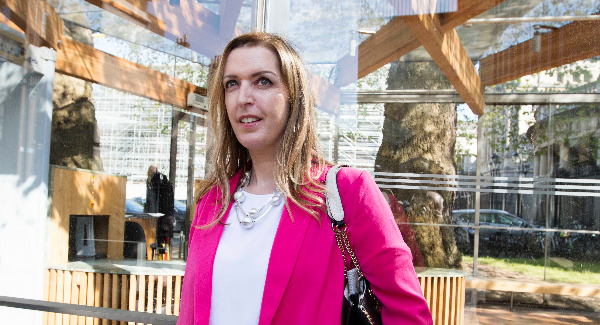
If anyone deserves time well away from the public arena, it’s Vicky Phelan, the Limerick mother who uncovered and
publicised so robustly the travesty of the cervical screening programme. She yesterday met the Taoiseach to discuss the scandal and the ways in which the system that let her down so badly can be improved.
While coping with her own cancer, she has raised funds for the drug she needs and helped other sufferers desperate for trustworthy information and advice.
If that were not enough, she has had to deal with the downside of Twitter, which she has used to promote her campaign and which, of course, has been used by many of those who quite rightly have offered her encouragement.
The downside is that channels such as Twitter are unmediated — or unedited — which means that along with the good stuff comes the dross.
In Ms Phelan’s case, it’s been tweets of which she says: “I am deeply disturbed by the lack of empathy in some quarters towards the women and families affected by the scandal.”
I will be taking a break from Twitter and from all #CervicalCheckScandal campaigning after tomorrow, some of you will be glad to know. I am deeply disturbed by the lack of empathy in some quarters towards the women & families affected by the scandal.
— Vicky Phelan (@PhelanVicky) July 31, 2018
She has, understandably, been angered and upset by Twitter messages in which she’s accused, bizarrely, of “bringing down” the cervical screening programme.
I can only speak for myself here. For those of you who are condemning me for 'bringing down the cervical screening programme', I never missed a smear and NEVER had an abnormal smear until I was diagnosed in July 2014 with invasive cervical cancer
— Vicky Phelan (@PhelanVicky) July 31, 2018
In what sort of parallel universe can such rubbish be written? One in which, perhaps, people who uncover paedophile rings are criticised for undermining confidence in child protection services?
Also understandable, therefore, is her decision to, as she says, take a break from Twitter and campaigning. Some might conclude that she has been hounded off Twitter. In any event, she has earned a break.
It’s very possible that, refreshed after a rest with her family, we’ll hear from her again as she keeps a watchful eye on the Government’s promised review of the programme.
There is, meanwhile, the social media problem, picked at – coincidentally – in the Oireachtas yesterday when Facebook executives were questioned about the control it does or doesn’t have of the material it publishes. The posture taken by Facebook when challenged by legislators is becoming predictable; it’s been seen in Washington DC and London.
In Ireland, it apologises for failings in policing content, blames its training agency, and moves quickly to carp about proposed legislation to help protect children from “harmful communication” online, chucking in the customary freedom of expression red herring.
The bill, says Facebook, needs a clearer definition of harmful communication. No, it doesn’t. Social media executives need to be reminded of United States Supreme Court Justice Potter Stewart who, in an obscenity case judgement declined to offer an intelligible definition of hard-core pornography, adding: “But I know it when see it.” Social media managers know it, too.