British MP: We are exiting EU, but not leaving Europe
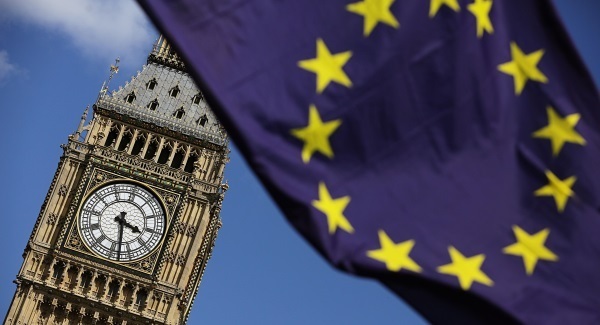
The morning of June 24 confirmed the UK had taken one of the most significant decisions in its modern history. For some, the decision to leave the EU was a matter for celebration; for others, regret.
Now however, one thing is beyond argument. The people of the UK have given their government a clear command. Whichever side of the argument we were on, we now all need to work together to make this process a success.
I am working with the secretary of state for exiting the EU, David Davis, to support the prime minister in preparing for a new relationship between the UK and the EU.
We are confident of delivering a good outcome to what will be a complex negotiation. This is a historic moment for our country and it is our responsibility to secure a deal that works not just for the UK, but also for our friends and neighbours in Europe and beyond.
For Ireland, one of the biggest questions being posed is what Brexit means for the country’s close and improving relationship with Britain.
Businesses detail losses in wake of Brexit decision https://t.co/Ww3eImAo6b pic.twitter.com/P5cBMtSVpK
— Irish Examiner (@irishexaminer) November 2, 2016
On this point I can offer absolute reassurance. The links between our two countries are strong, and they will continue to be strong long after the UK has left the EU. This vote will not change our friendship — in fact, I am confident it will only strengthen as we move into a new era of co-operation.
A demonstration of this is the commitment by the Irish Government and the UK government to the Belfast agreement. There are unique circumstances that operate on the island of Ireland, such as the Common Travel Area and the single electricity market. We are determined to find the right solutions that serve Northern Ireland well and address all of the all-Ireland issues.
Every week, over €1bn worth of trade is conducted between our two islands, sustaining more than 400,000 jobs directly and many more in the supply chain.
Dublin to London is one of the busiest international air routes in the world, with almost 2,000 flights a week between our two countries. So it’s in all our interests to ensure that the links between us are not only sustained but deepened.
We have been clear that the UK government will engage with the devolved administrations — Scotland, Northern Ireland, and Wales — to deliver a deal that works for the whole of the UK. Just last week, their leaders came together to talk about the priorities of the four nations.
We have also committed very clearly to working with our closest friends across the EU to ensure that the new relationship works to our mutual benefit. For that reason, the secretary of state for exiting the EU and I met with the Irish ambassador to the UK yesterday, underlining our commitment to continuing engagement.
Government urged to bring ‘clarity of Brexit terms’ https://t.co/xlce8hdtOk via @EamonQuinnNews (GM) pic.twitter.com/i3zi5illiO
— Irish Examiner (@irishexaminer) November 2, 2016
My first overseas visit as minister for exiting the EU was to Ireland. It was a pleasure to return to Dublin, which I had visited before both on business before entering politics and through the British Irish Parliamentary Assembly. During our recent visit, I joined David Davis in meeting ministers to reiterate our firm commitment to protecting and enhancing the relationship between Britain and Ireland.
When I met with the Irish Business Employers Confederation I was clear that the UK government wants to maintain the closest possible economic relationship with Ireland as we look to new horizons beyond Brexit.
Mr Davis and I also paid a visit to the British Irish Chamber of Commerce. Relaunched just over five years ago, this unique institution is doing an excellent job of highlighting the huge benefits of two-way trade between our two islands and promoting the interests of businesses in both Britain and Ireland.
The chamber is a prime example of our incredibly warm relationship and its role will become even more pivotal going forward, which is why we will continue to engage with it throughout the negotiations.
I also look forward to attending the British Irish Council in the coming weeks. This is a dynamic forum for exchange and collaboration.
Britain is more open for business than ever, and we want that message to be heard loud and clear by every business in Ireland and beyond.
Trade, however, is by no means the only issue. For many here, I know it is much more personal — an issue that is rooted in identity and the country’s history: The question of the country’s border with Northern Ireland.
We do not want a return to the borders of the past. Theresa May was clear about that when she visited Belfast within days of becoming prime minister: The open border and the Common Travel Area have served people and businesses well and we want that to continue.
Long before the UK was a member of the EU, there was an open border between the UK and Ireland. I am confident that the shared determination of the British government, the Irish Government, and the Northern Ireland Executive will ensure that the existing arrangements are protected.
Our relationship is, in many ways, unique. Under UK law, Irish citizens are treated just as British citizens are. I know the high value that Irish citizens place on this equal treatment with many of my own constituents originating from Ireland. We do not want this to be impacted by our departure from the EU.
Doubtless, we face challenges ahead. But my message is also that this is an exciting time for the UK, an unprecedented opportunity for us to strengthen current relationships and forge new ones.
By working together we can be sure that our strong, warm, and productive friendship will continue to flourish in the months and years after Britain leaves the EU.
We may be leaving the EU, but we are not leaving Europe. We will continue to trade, co-operate, and work closely with our European neighbours — and none more so than Ireland.
MP Robin Walker is the parliamentary undersecretary at the Department for Exiting the EU, a former member of the British Irish Parliamentary Assembly, and a former parliamentary private secretary to the minister of state for Northern Ireland.