Unstable Trump presidency would harm Putin’s ambitions
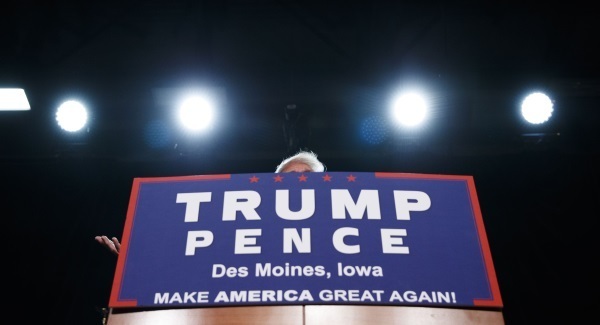
It is entirely possible that when Russian president Vladimir Putin gazes up at the stars at night and imagines the world of his dreams, he smiles at the thought of Donald Trump as US president.
He may like the idea of an American leader who is focused on law and order at home rather than democracy-building abroad.
He may even admire Mr Trump’s swaggering leadership, so reminiscent of his own.
But when he wakes from his reverie, Mr Putin understands that it cannot possibly be in Russia’s interest for Mr Trump to win in November.
That’s why there cannot possibly be a serious Kremlin plan — relying on cyber or other means — to help orchestrate it.
Of course, it’s not hard to imagine that Russian hackers did find a way into the Democratic National Committee’s servers, or those used by Democrat candidate Hillary Clinton’s campaign, as part of espionage efforts that target government, corporate, and political organisations of all kinds.
In the 21st century, the Kremlin’s intelligence services would be accused of professional negligence if they weren’t vigorously attempting such attacks.
Russian leaders also have a long history of agitation and propaganda, or ‘agitprop’ as their Soviet predecessors called the overt and covert campaigns to shape public opinion in foreign countries.
But these efforts have a decidedly mixed record of success, and Mr Putin has a heightened understanding that Russian meddling can easily backfire.
Thus, it remains unclear just how much the timing and content of the recent leaks were determined by Russia itself or by WikiLeaks, where the documents actually appeared.
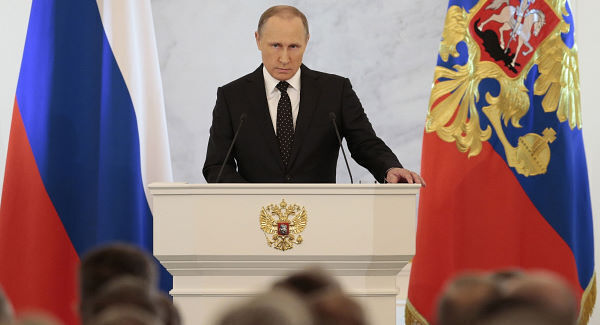
What remains absolutely certain, however, is that any clear-eyed assessment by the Kremlin must conclude that a Trump victory is not in Russia’s interests.
It may be fun to watch the US body politic squirm, and to gloat as America’s allies wring their hands, but a President Trump would make Mr Putin’s life far more difficult.
Russia’s central national interest is primarily economic, as it reels from the combined blows of the collapse in oil prices, weak European growth, and Western financial sanctions.
To be sure, Russia’s interests also include political dominance over its neighbors, which is what drove the ham-handed intervention in Crimea that Mr Trump now describes in such sympathetic terms.
These interests also include maintaining Russia’s historic involvement in the Middle East and tweaking the US wherever possible.
In this respect, the current effort to prop up the Syrian government counts as a twofer.
But raising Russian living standards remains central to Mr Putin’s grip on power and his long-term legacy. Even before intervening in Ukraine, Mr Putin was failing to deliver on his grand promise, made in 2003, to double the size of Russia’s economy within a decade.
In terms of nominal per capita GDP, Russia still fares little better than Mexico.
Signature efforts to diversify and modernize the economy failed, because disruptive technologies and business strategies cannot be decreed from the top.
While the oil market is the largest determinant of Russia’s near-term economic prospects, accounting as it does for half of export revenues, long-term growth requires Russia to re-enter international capital markets, attract foreign investment (and stem capital flight), and reintegrate with the global economy.
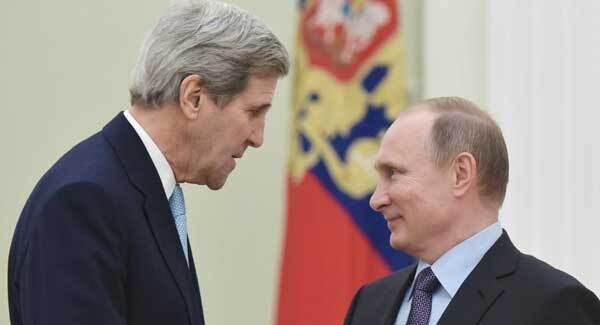
All of this requires a global economy that is stable and predictable. A Trump presidency would mean the opposite.
Mr Trump’s fiscal plans, involving massive tax cuts without credible reduction in spending, could cause US interest rates to spike, fueling turmoil in financial markets.
His casual suggestions that US debt might be renegotiated could trigger dramatic losses in the value of Russia’s foreign-currency reserves, which have been its anchor in the economic storm that has hit the country since 2014.
His threats to launch a trade war against “unfair” foreign competition seems likely to draw in Russia’s steel exports.
And his unpredictability on key security and geopolitical issues could increase external risks.
Of course, there is a scenario in which the personal chemistry between leaders brings an earlier relaxation of Western sanctions.
However, the European Union’s restrictions on financing and trade are unlikely to last much longer in any case, especially now that the UK’s hawkish views will no longer shape that conversation.
US sanctions may remain on the books for now, but the Obama administration’s active efforts to discourage global banks from financing Russia from European subsidiaries will be difficult to continue indefinitely.
A Clinton presidency would not make Russia’s international agenda significantly easier, but at least the terms of engagement would be known.
Notwithstanding the temptation to embarrass America’s leaders with more cyber feats, Mr Putin will not tolerate anything that might even marginally boost the chances of a Trump victory.
Copyright: Project Syndicate, 2016.


CONNECT WITH US TODAY



Be the first to know the latest news and updates