The polite rebels who visited Dublin suburbia
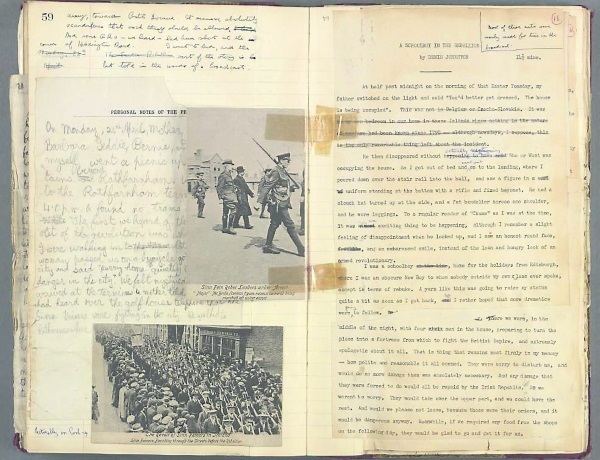
In the early hours of Easter Tuesday 1916, 61 Lansdowne Road, the Ballsbridge home of Judge William Johnston, his wife Kathleen and their only son was occupied, under “amiable circumstances”, by four armed and apologetic Irish republicans.
Denis — a future playwright — was then a 14-year old schoolboy home for the holidays from his Scottish boarding school.
He was a perceptive witness of this unfolding drama in the birth of the Republic, recounting it later in a radio broadcast during his career that included work as a BBC war correspondent.

Lansdowne Road gave proximity to the railway line, a key artery into the city, with a view along the tracks to Bath Avenue Bridge, a hotspot of rebel activity.
The rebels took possession of the upper floor of the house, consigning the family to the lower floors with polite orders not to leave the building.
Beds and furniture were used to barricade the stairs and the insurgents knocked holes through interior walls to allow access to adjoining rooms without using the upper landing. The rebels and captives then sat down on the displaced furniture to share tea.
The only note of discord was sounded by the family parrot who objected to so many lights being left on at night.
The ensuing 48 hours were remarkable only for a lack of callers to the house . Their captors sortied out occasionally to check developments, returning with fantastic reports of Germans landing in Kerry and the withdrawal of France from the war.
By Wednesday morning, the hiatus was broken by the arrival of British troops in Dublin.
The rebels stripped off their uniforms, abandoned their rifles and ammunition and left the house dressed in plain clothes.
Denis had a tale to tell on his return to boarding school that would rescue him from the ranks of ‘new boy’ obscurity.
He had even managed to deny officialdom some spoils of war — a slouch hat and a bayonet —which he treasured for his lifetime.

Enjoyed this? Then check out our dedicated micro-site, developed in collaboration with UCC, to mark the revolutionary period HERE
For regular updates on news and features (as well as twitter action action as it may have happened 100 years ago) to mark the revolutionary period follow @theirishrev HERE

CONNECT WITH US TODAY



Be the first to know the latest news and updates