BUDGET 2016: Restoration of carers’ grant levels welcomed
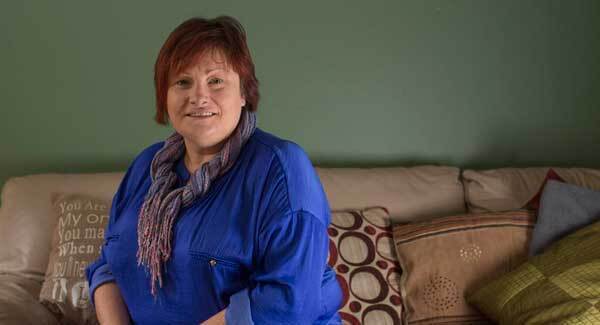
“I use it to run my car,” says, the mother-of-one who is caring full-time for her 86-year-old father and 82-year-old mother, both of whom have complex medical needs.
“With two largely immobile parents to care for, my young son, hospital appointments, emergencies, and everything else, my car is essential for keeping the show on the road.
“Most people use the grant for very basic necessities. People use it to keep their houses warm.
“If you’re caring for someone who is predominantly housebound, then you have to keep the house warm 24/7. It’s not actually used to relieve yourself of the mundane 24-hour-life of caring.”
So when the grant was cut by 20% in 2012, an instant loss of €350, the impact was immediate and painful.
Seeing it renamed now as the carers support grant is a small acknowledgement of the myriad of uses to which carers put it, but of far more significance is its restoration to its pre-2012 level of €1,700.
“It’s very good to see it re-instated but realistically we only got back what was taken from us, so it’s quite disappointing that there wasn’t an increase in our weekly payment,” Shirley says.
“I think in this budget there was a lot of use of the word ‘work’ and it’s quite soul-destroying that, as the only recipients who have to work for our payment, our work is not recognised.”
Shirley had hoped for a suite of supports for carers such as exists in the UK where the first step in becoming a carer is an assessment of the needs of the carer, a measure backed by law.
“There is no proper support for carers. Our health never seems to be considered. We source our own training, we get no help with that.
“But neither are we treated as workers, we get no paid holidays, no pensions, no future really, except a path to poverty.
“We save the exchequer more than €4bn a year by caring for people at home, keeping them out of hospitals and nursing homes.
“It would have been good to see a little more of it given back.”
Shirley is also disappointed that the phone allowance was not restored to the home benefits package and that there appears to be no intention of reviving the scrapped mobility allowance.
She welcomes the decision to double from six to 12 weeks the period for which carers can continue to receive the Carer’s Allowance after the death or removal to residential care of the person they cared for.
“It’s still quite short though. The nature of what we do and the closeness that we have day to day with the person we’re caring for makes the loss and transition from being a care provider much more difficult for us.”