Playing politics with the economy
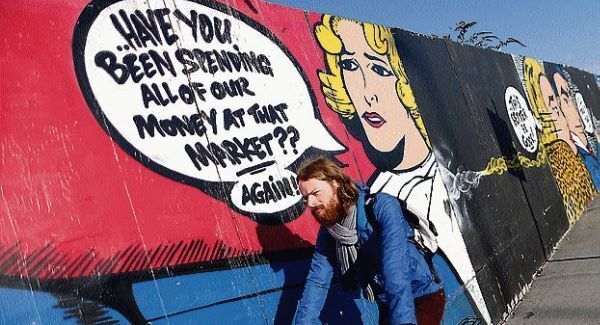
THIS country is on course for creating a record among OECD countries for undergoing one of the most swingeing budget consolidation programmes over the past five years.

Playing politics with the economy

The bad news is that Ireland still faces many years of belt tightening following the ratification of the fiscal treaty in 2012.

But the scale of that adjustment depends on reaching the 3% budget deficit target agreed with the troika by 2015. After that, meeting future targets will depend on what level, if any, of growth returns to the economy.


The big gamble in yesterday’s budget was the decision to introduce a total package of €2.5bn as opposed to the original €3.1bn that was agreed with the troika.

There were few surprises in either Michael Noonan’s or Brendan Howlin’s speeches. As has become par for the course over the past few years, most of the key details are flagged well in advance.

The single biggest revenue-raising measure comes from the banking system. The banks may have been weaned off the Eligible Liabilities Guarantee last March but they have been slapped with a levy which will be in place between 2014 and 2016 that will raise €150m per year.

While Mr Noonan remains steadfast behind the corporate tax rate, he has caved to international pressure and abolished the complex tax mechanism known as the ‘double Irish’. Whether this affects Ireland’s ability to attract foreign direct investment remains to be seen. However, the impact should be minimal given the international efforts to clamp down on tax avoidance.

In terms of stoking economic growth, there were a range of measures aimed at the main sectors of the economy. There was a widening of the legislation for real estate investment trusts, which is an attempt to kickstart the commercial property and real estate sectors. There were also incentives put in place for home improvements to help small builders.

The Government, obviously, has very limited room for manoeuvre in view of the parlous state of the national coffers. Consequently, there were imaginative uses of capital gains tax exemptions and other tax incentives to boost entrepreneurship among other sectors.

The proceeds from the National Pension Reserve Fund will be invested in the economy. There are measures to improve the flow of credit to the SME sector.

But it remains to be seen whether the overall package will stimulate the required levels of growth in the economy. Mr Noonan forecast the economy to grow by 0.2% this year. Moreover, he increased the growth forecast from 1.8% to 2% for next year.

The IMF, ECB, and European Commission had insisted over the past few months that the Government stick to the €3.1bn figure on the basis that the economic backdrop remains too uncertain. If growth undershoots, then Ireland could be under severe pressure to meet the 3% target by 2015.

If this scenario were to unfold, then the Government would be faced with introducing a budget much more severe than the €2bn consolidation planned for next October. That would have obvious implications for austerity fatigue and political instability.

The decision to go with a €2.5bn adjustment yesterday owed much more to political considerations than any economic rationale. The Labour Party is being hammered in the polls. Similar to all junior parties in a coalition government, it is bearing the brunt of widespread public disaffection.

It needs to show that it is protecting its core interests. There is also an argument that lowering the adjustment will improve consumer sentiment, which could then turn into a virtuous circle as confidence takes hold, feeding growth in the domestic economy.

But, in reality, there is very little difference between €3.1bn and €2.5bn. The impact on the ground will not be so discernible that it will unleash a consumer frenzy. For that to happen, people will need to feel that the worst of the recession is behind them.

Ultimately, that depends as much on external factors as it does on what happens domestically. For example, fears over the break-up of the eurozone strangled growth in the region for most of 2011 and 2012. This instability has abated, but the reforms need to ensure the viability of the single currency have still not been introduced.

If the crisis flares up again, then Ireland’s growth prospects will be severely dented. Indeed, in view of Ireland’s reliance on exports, the wider international economy will be a huge determinant of future growth prospects.

And whereas the economics of a €2.5bn cut compared with €3.1bn may not be that significant, the politics could be.

When the head of the OECD, Angel Gurría, was in Dublin in September, he said that Ireland should secure a strong credit line before it exits the EU/IMF bailout by the end of this year. The stronger the credit line, the less likely it will be needed.

The Government is in negotiations with the troika over a credit line. Even though the ECB, IMF, and commission all gave their public support to the Government over the past few weeks to proceed with a lower adjustment, it is not known how they privately feel about the move.

The outcome could be reflected in what type, if any, of precautionary credit line the Government secures over the next few weeks. In many ways, this is much more important than budgetary arithmetic.

More in this section

Revoiced

Newsletter

Had a busy week? Sign up for some of the best reads from the week gone by. Selected just for you.

Cookie Policy Privacy Policy Brand Safety FAQ Help Contact Us Terms and Conditions

© Examiner Echo Group Limited