Budget battles off to an early start
THE debate over how much needs to be saved and what targets will be set for the budget will continue for some weeks to come. Budget kite-flying by ministers about which department and services deserve more is part of the political game at this time of year.
An important decision facing the Taoiseach and the finance minister amid the lobbying and mini-spats is how much needs to be saved across all the departments and agencies — and crucially, how much this will reduce Ireland’s fiscal deficit by in 2014.
The IMF has said €3.1bn must be saved next year. But Labour are vehemently arguing against an exact figure being adhered to and want the focus on reaching a percentage deficit target of 5.1% next year.
Either way, it will be a tough budget. Already, there have been suggestions that household benefits for the vulnerable, such as energy and heating support funds, may be cut. Moreover, despite denials that child benefit will not be cut, nothing remains safe right up until the final meetings before budget day.
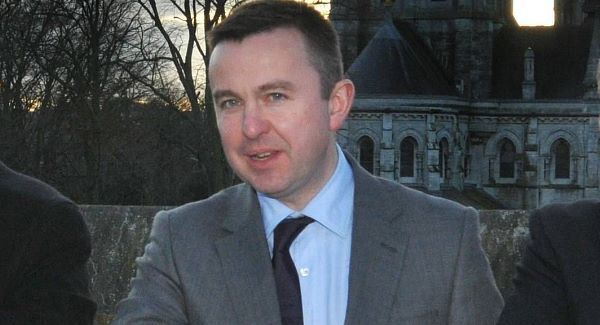
A suggestion by junior finance minister Brian Hayes of Fine Gael in today’s Irish Examiner — that the Government should essentially leapfrog its troika-agreed deficit target of 5.1% and try for a tougher savings target — may shock his Labour counterparts.
Mr Hayes says Ireland should be prepared to go beyond its deficit target for next year — essentially to please the international markets (which will be our new lenders) and enhance our damaged reputation.
He thinks Ireland needs to be aiming “to be in the 4[%] region” and adds: “The worst thing for Ireland would be having got back to the markets, then some question about our sustainability in the markets. That would be a disaster for the country.”
Detailed talks between Finance Minister Michael Noonan and Public Expenditure Minister Brendan Howlin — the Coalition’s chief architects of the budget — will not begin until September, the Government says.
Currently dividing the Coalition is the argument whether any extra money available from this year’s Anglo promissory note deal should be pumped into job creation or kept in order to help reduce savings needed in welfare spending.
Fine Gael TDs argue that every effort should be made to prop up sections of the economy, from consumer spending to construction, because this brings in extra taxes. Mr Hayes said that, for every 1% in GDP in growth, an extra €1.6bn in taxes comes to state coffers.
“Having got the macro stuff right, we have to use next year to get the micro stuff right and that means the jobs, the investment, and the domestic economy,” said Mr Hayes. “I think the crucial task for the Government is to get the deficit down and to take control of the public finances of this country. That’s the long-term way of sustaining the economic recovery, the long-term way of improving investment.”
The minister for the Office of Public Works though knows all too well that international pressures and changes to economies of larger EU member states will also feed into what decision is made about Ireland’s saving targets in October.
“There are still a lot of worries and doubts internationally as to where the economy stands given the pressures that are there,” says Mr Hayes.
Separately, he is adamant that a banking inquiry begins this year and says it could be acceptable that a special committee with cross-party membership be set up to oversee the probe.
He said TDs would not be led by the executive and that there was a need to work with the opposition.
Asked whether he had bigger ambitions beyond his junior ministry, Mr Hayes said he was doing the job he wanted to do.
“It’s the economy is where it is at and to be having a role in that is fantastic,” he said.
Despite recent reports that he was considering running for Europe in the European elections next year, he said: “It’s too early to come to some assessment as to what I would do if I was to do something there. I’ve always taken an interest in European affairs.”

CONNECT WITH US TODAY



Be the first to know the latest news and updates