Jennifer Horgan: Old-fashioned fatalism of 'it is what it is' won't be heard at Future Cork event
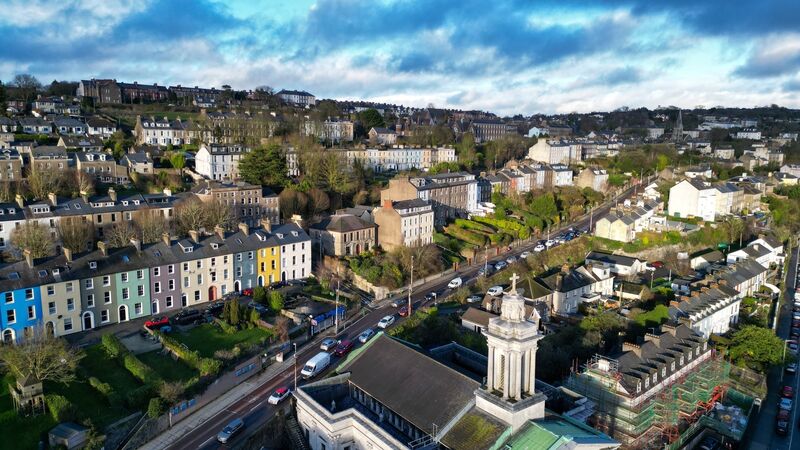
Cork won’t succeed unless the whole city moves forward together. Picture: Chani Anderson

Do you think people are saying this more often than before? I’m aware it’s not new. Sources trace its first use back to an American article written in the middle of the last century.
There are more public examples at the start of this one. George W. Bush said it when he thought he might lose to John Kerry in 2004, and Britney Spears used it two years later after she was snapped driving with her baby on her lap.
"I made a mistake and so it is what it is, I guess," she told the US TV show, .
But it feels like it has gained particular traction in Ireland recently. I can see how it’s a handy line to have in reserve. It works as a thing to say when there is nothing left to say, really. There is a nice sonic quality to it too. It appeals to the ear — the repetition, the mirroring of the small inoffensive words, their circularity.
It is what it is.
Read More
It's neat, a soft way of rounding off a conversation. To avoid sounding overly critical or moany, we nip our complaints in the bud. Ah well, sure look.
It is what it is.
It can demonstrate admirable resilience. Facing a cancer diagnosis, say, the line is an acceptance of the tough days ahead. In other contexts however, it smacks of fatalism. It’s not a great response to dereliction, say, or homelessness, or to the terrifying rise in road deaths.
Given its ubiquity, I wonder how it makes us feel. Is its over-use a sign of the times? Are we all losing hope a little? Maybe. It’s hard not to feel despondent when the rain keeps coming in.
It is what it is.
And yet, even as these potentially despairing little words invade our conversations and our psyche, there are so many people bucking against them. These are the people spending their days changing what we’re all talking about. People who believe things can get better, who live their lives in a way that’s closer to: It is what it is… Until it isn’t.
I met a few of this sort last week. The first was a complete stranger.
We were trekking back from a few days in Kerry, moving along in what was less of a car and more of a bungalow on four over-burdened wheels — what with the dog, the dog things, three kids, bedding, towels, clothes, food, bats and balls — your usual midterm mayhem.
And then, very suddenly, we were a bungalow on three over-burdened wheels and one very punctured one, having driven through a gigantic pothole on the road through Srelane.
There we were on the hard shoulder, a sorry crew, my husband in his high-vis, trying to find the spare, when a car pulled over.
Two hours later, nearing one o’clock in the morning, we completed our journey. This man had been working since 6am and yet he stayed with us until he knew we were safely on our way. Lucky for us he was certainly not an 'It is what it is' kind of person.
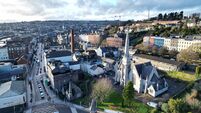
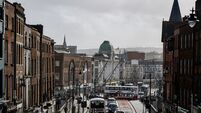
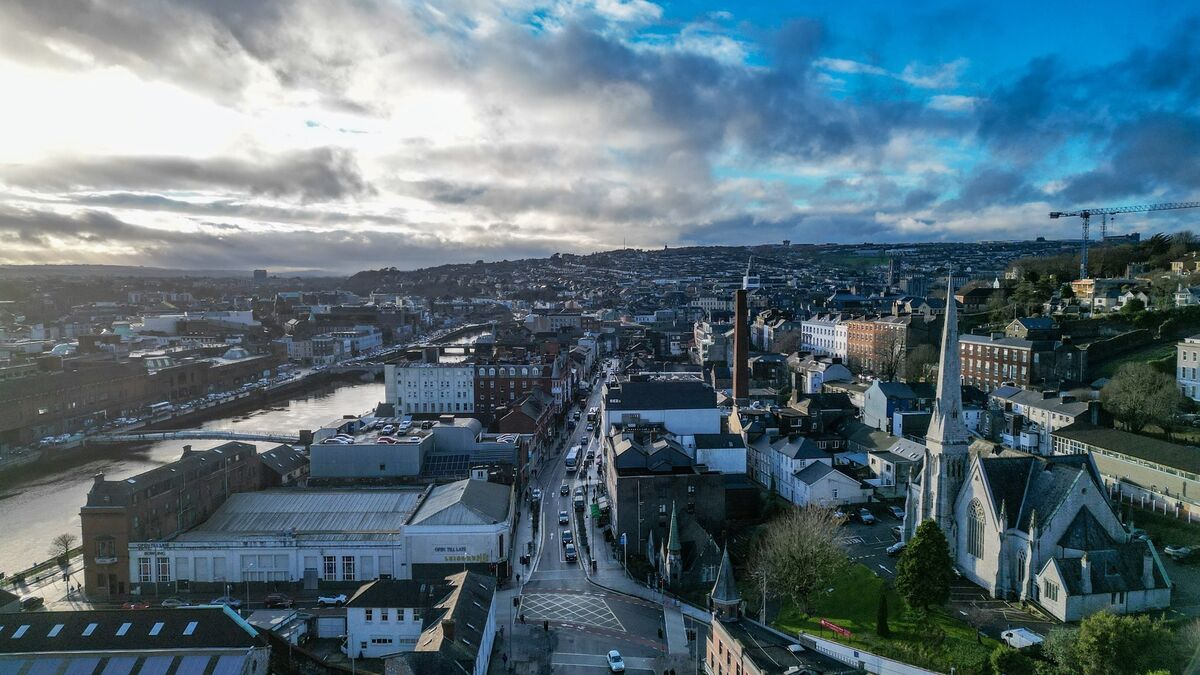
Other people I met last week inspired me to believe we’re not all losing the will. On Thursday, I popped into a VQ meeting. If you’re blessed to live in Cork you’ll know the VQ. It’s the business community and membership organisation that stretches from the quayside on the North of the river right through MacCurtain Street and up the hill — the Victorian Quarter.
Knowing I’ve an interest in the arts, a friend invited me to listen to Brian Fenton and Des Kennedy, Co-CEOs of the Everyman Theatre, chat through their future plans. It was an incredibly uplifting hour.
I sat at the back, my preferred observer perch, scanning a crowd of business owners in their quarter of the city. It felt exciting and modern but also like a medieval guild, a group of merchants working together to shape an urban economy.
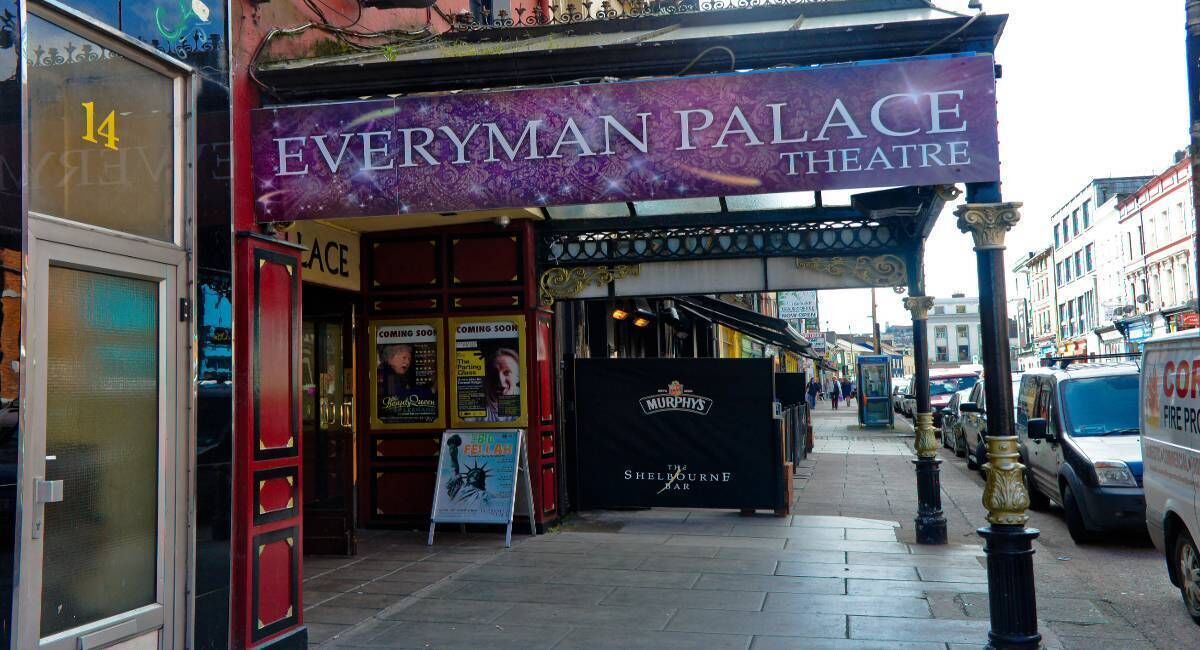
Creative director Des Kennedy expressed the belief that the theatre could become one that keeps Cork artists at home. “It shouldn’t be the case that artists have to move to Dublin or London to be respected in their field,” he said.
His first year has been really successful so it’s exciting to think what the next 130 years of culture might look like for the venue (it opened in 1897) and for others like it. With people like Des Kennedy and Brian Fenton in the mix, the future looks bright, but leaving the theatre and heading back out into the city (Yes, it was still raining) I felt my responsibility.
Co-CEO Brian Fenton reminded us that theatres need their audiences. “Every art decision is a money decision and every money decision is an art decision,” he added. With only a fraction of their money coming from funding streams, they rely on the public, on me. I can’t always afford a trip abroad but I can afford the odd theatre ticket. I have to do it. My city needs me.
Now, I’m not quite a caped crusader, but the event made me feel empowered, a part of something. Venues across Cork will only survive if I/we turn up. Permanently funding artists is putting Ireland’s name on the global map, but I can also make a difference by leaving Netflix off for a night.
I’ve enjoyed the Future Cork series running in the this week, with pieces written by people involved in the shaping of Cork, its character, economy, and infrastructure. Reading them has also fuelled my optimism.
Writer Conal Creedon reminds us that “Cork has seen war and peace, boom and bust, and on more than one occasion the flat of the city has risen Phoenix-like from the ashes of total annihilation.” A lot of this has to do with our resilience, our can-do attitude, summed up in Rob Horgan’s piece as Cork’s “enduring collaborative spirit.”
Jude Sherry and Frank O’Connor rightly pointed out the work that still needs to be done to tackle dereliction but they also highlight some positives.
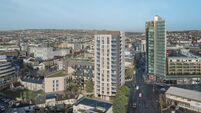
My overriding concern is that the two sides of our city are looking even less alike than before. The Marina development, close to where I live, is truly next level. When will somewhere like Knocknaheeney or the Glen get similar investment?
Cork won’t succeed unless the whole city moves forward together. I experience the same class-based division in my work as a teacher. Private and southside schools in Cork ignore their responsibilities to educate children with additional needs.
Too much attention is still given to the points race and league tables. We should all want nurtured children who know their worth and their place in the world. Cork’s stark imbalance in infrastructure and education needs to be corrected if we are to create a truly happy, healthy and creative Future Cork.
The flagship Future Cork event happening today will hopefully tackle issues like these. It will be inspiring, I’m sure. And one thing you’re unlikely to hear?
Yes — you’ve guessed it.
It is what it is.

CONNECT WITH US TODAY



Be the first to know the latest news and updates