Sarah Harte: Christmas Eve Mass is uniquely beautiful — rampaging kids or not
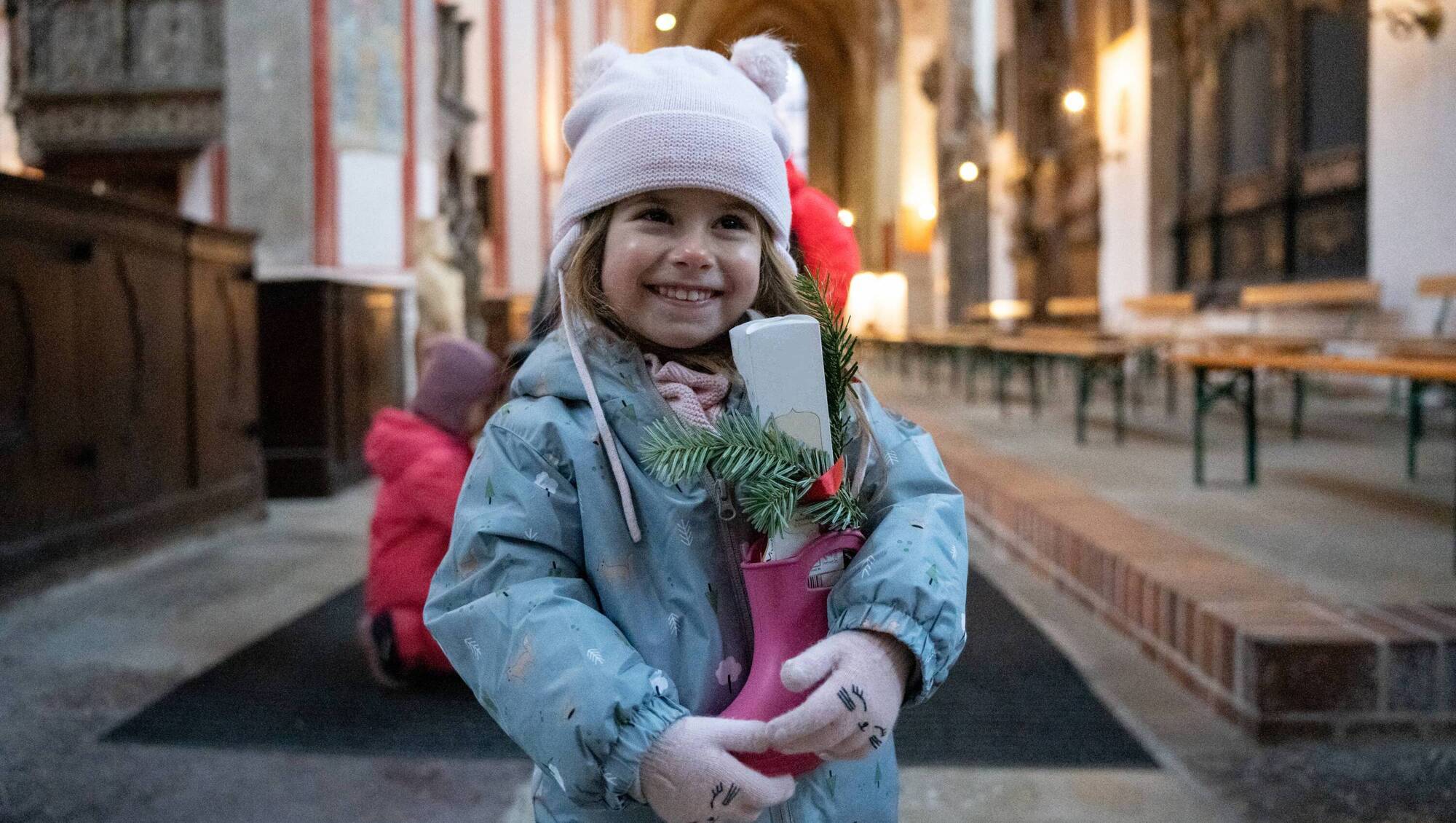
I changed my Mass time when I was living in South Dublin because, instead of focusing on the Christmas spirit, I longed to cuff the parents of overly lively children on the arm and say, your children are heading for a life of crime if you don’t rein them in.

Some believe Christmas Eve is when God entered the world in human form. Even if you don’t subscribe to the idea that today is Jesus’s birthday (perfectly legitimate), odds are you might agree that tonight has a singular quality.
Everything shuts. Shops. Pubs. Bookies. The wheel of Mammon stops turning. No cars on the road, just a candle in the window. There’s something deeply elemental about it. That hushed, still sound.
'Silent Night' was first heard in 1816 by Austrian Villagers in St Nicholas Church in Oberndorf, not long after the Napoleonic Wars. The lyrics were written by a young Austrian priest, Joseph Mohr. Franz Xaver Gruber, the choir director, wrote the melody. Mohr was said to have been inspired by the silence in the quiet Austrian village.
The original was called ‘Stille Nacht, heilige Nacht’. We still sing it 209 years later, often in this country as ‘Oíche Chiúin’, which speaks to the strength of tradition. Traditions and religion soothe us psychologically because they anchor us, offering a sense of belonging.
I don’t think there has been a Christmas Eve in a long time when I haven’t felt the acute magic of being human in all its awful and wonderful contradictions.
The focus on family underscores the absence of loved ones, either dead or absent. It can heighten the fractures in families. But maybe, as Tennyson wrote after losing a friend, in that much butchered line, "tis better to have loved and lost, than never to have loved at all".
Those fictional families in ads cheerfully and harmoniously chowing down on mounds of supermarket food, wrecking their guts. All those crazy expectations of curating a perfect Christmas. Those garish perfume ads with hysterics running through fields and scaling down buildings for no apparent reason, putting pressure on people to spend, spend, spend.
John Betjeman, in his poem ‘Christmas’, contrasts the crass commercial aspects of Christmas by reflecting on its profound religious significance (beautifully put, even if you are an atheist). Referring to Christ’s birth he says:
It's worth listening to him recite the entire poem in 1954 — it's on YouTube.
We should keep our expectations low and work towards ‘the good enough’ Christmas. We all know that there will be a point in proceedings when we want to murder at least one relative.
For instance, if they suggest you could add something to your bread sauce, you could eschew the murderous rage, forgo the rejoinder, “Get out of the kitchen now or I’ll ram that clove-studded onion so far up..."
Instead, paste a beatific smile on and say: “Thanks for the feedback. I’ll bear that in mind.”
Okay, perhaps not beatifically, because that could come over as goading. Ditto if a family member announces they’ve heard your story a million times, jumps in to deliver the punchline early, again, ignore it. A hint, folks: I’ve been this deep-breathing soldier before, so I’m lecturing myself.
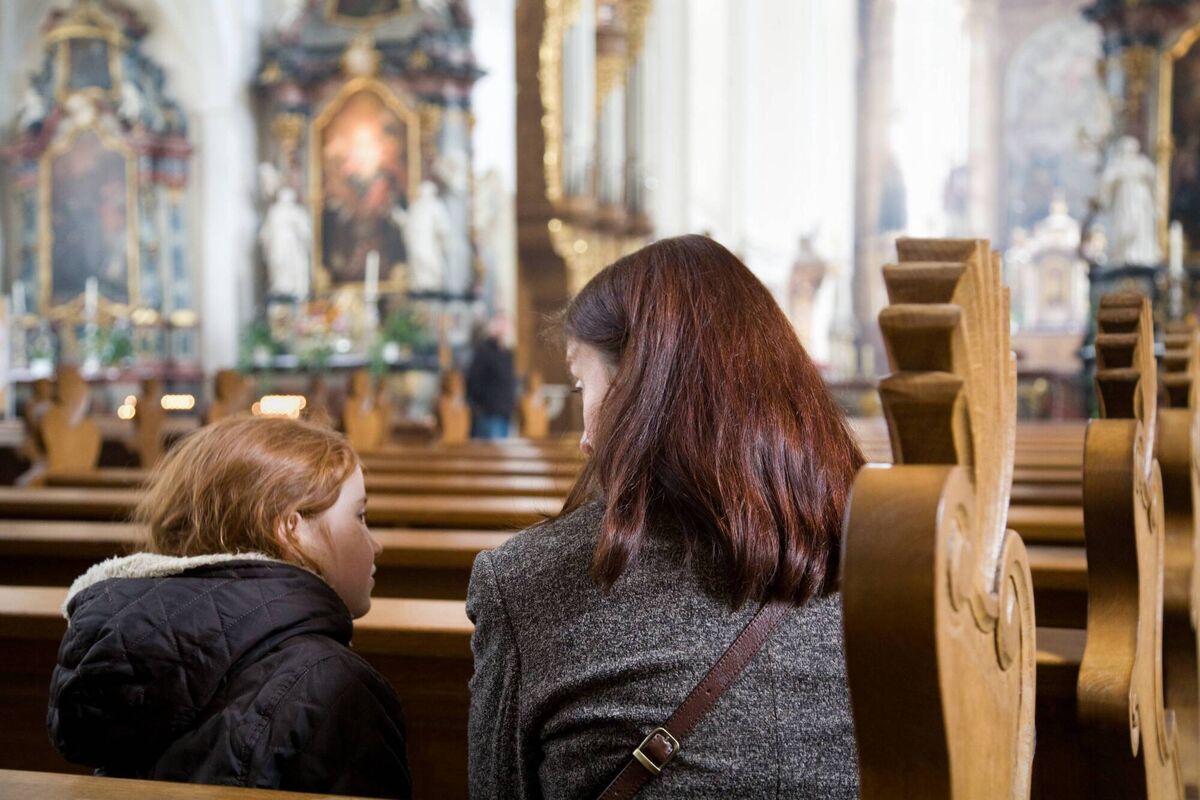
I changed my Mass time when I was living in South Dublin because, instead of focusing on the Christmas spirit, I longed to cuff the parents of overly lively children on the arm and say, your children are heading for a life of crime if you don’t rein them in. By the way, you are wrecking our spiritual buzz.
A low point was when one small person liberated Jesus from the crib and whooped up and down the aisle with a mini rambunctious tribe trailing after him. But then I realised this was not the Christmas spirit.
I guess you could spin it and say the whooping child is more evidence that Mass is democratic. Nobody gets to pull rank. Everyone is equal. There are almost no public spaces left in Ireland where people are equal. Once at Christmas Eve Mass in Dublin, I watched the CEO of a publicly listed company, a scion of a Cork family. I had been at college with him.
Previously, in the Merrion Hotel, I watched him being treated like a big cheese by other executives. But on Christmas Eve, he sat in the pew with his family like everyone else because he understood he didn’t matter more. And he got that right, because he didn’t.
I’ve taken this line about Jesus’s birth from Peter Wehner, a contributing editor at the : “It was not an entrance characterised by privilege, comfort, public celebration or self-glorification; it was marked instead by lowliness, obscurity, humility, and fragility.”
I think what I treasure about Mass on Christmas Eve is that no matter how pockmarked your life is, no matter how many malfunctioning relatives you have, no matter your financial woes, you are together in the moment as part of a community of all shapes and sizes. And it’s the time when many non-believers rock up.
It’s imperfect. Fellas doing the collection, one or two with the bang of the pub off them. Standing in the porch when the church is packed, our own Patrick Kavanagh’s lines come to mind. He, too, like Betjeman, offered an unembellished view of his people; his patch was just different.
Before I go to peel potatoes humbly (let’s see how long that lasts), might I give a shout-out to all my fellow cooks in the kitchen tomorrow?
Even when some anaemic teenage vegan relative sanctimoniously interrogates you on whether their nut-roast was anywhere near the turkey giblets or ham, try to offer it up. And you know what, it’s okay to tell a white lie. I’m sure the man himself (not Santa) would understand.
A very Happy Christmas, and may God bless you all.

CONNECT WITH US TODAY



Be the first to know the latest news and updates