Paul Hosford: Is Ireland now suffering the hangover from wining and dining social media giants?
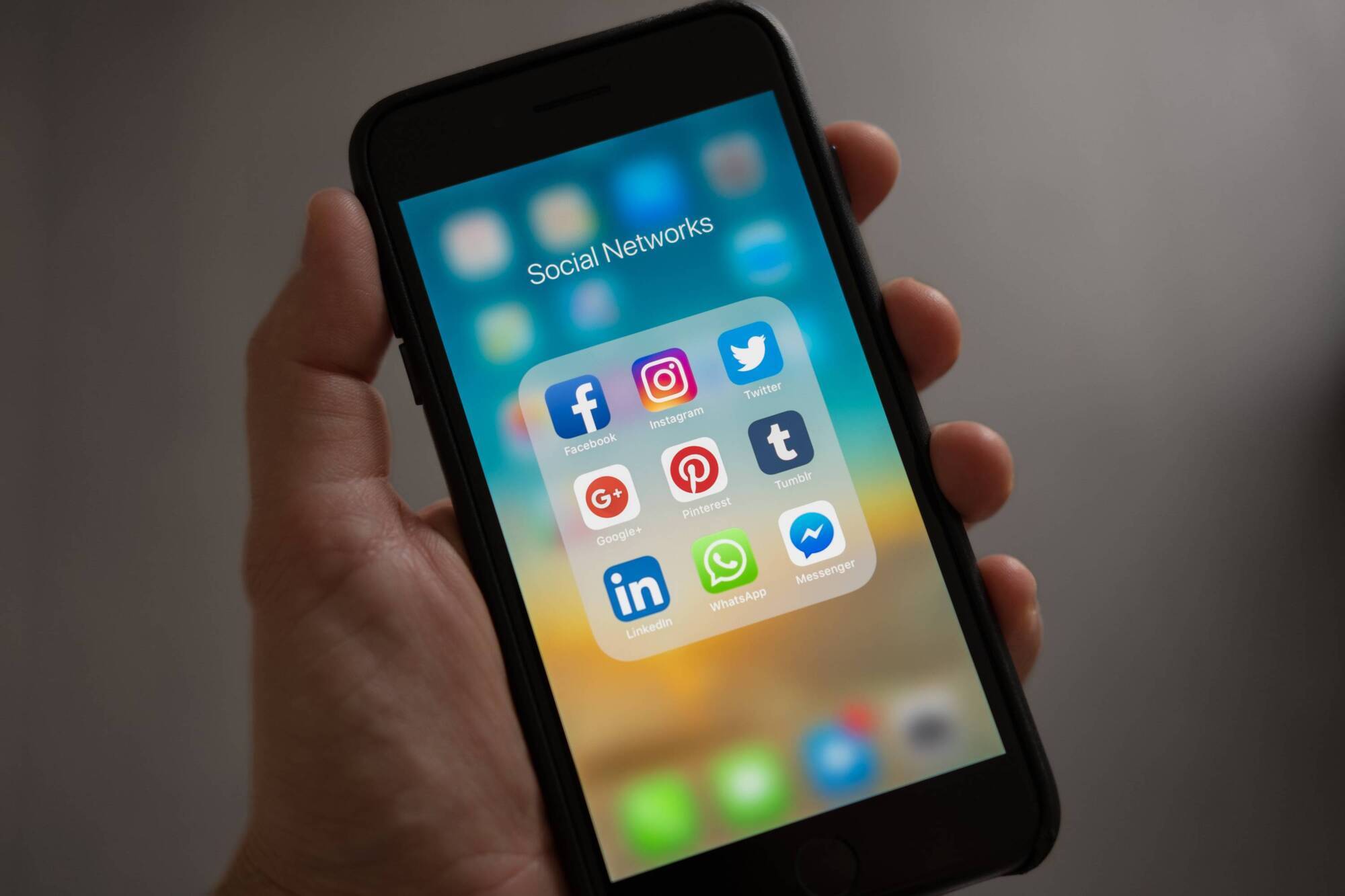
Through whistleblowers and our own eyes, we now know that social media platforms are not the bright hopes they and their founders once claimed
Paul Hosford: Is Ireland now suffering the hangover from wining and dining social media giants?

The owners of the most popular social media platforms have long since realised that their business models are based around feeding a serotonin hit that comes quicker with conflict, division, and inflammatory content than by simply offering a place to see friends’ holiday photos.

In her tell-all book Careless People: A Story of Where I Used to Work, the former director of public policy at Facebook, Sarah Wynn-Williams, tells some stories about Ireland.

The book, which sees the Kiwi Ms Wynn-Williams transformed from a wide-eyed believer in the possibility of social media to a herald on the dangers of the platforms and the apathy and ego of its founders, largely centres on the work of the Facebook policy team, which oversaw relations with governments across the world. In one section, Ms Wynn-Williams claims that her boss, the company’s former chief operating officer Sheryl Sandberg, was given a phone by the government.

“The phone connected her to someone in the Irish government who could solve any problem or address any accommodation she needed,” Ms Wynn-Williams claims before going on to outline how Facebook helped to shape Irish tax policy around the tax incentive, the Knowledge Development Box. In return, Ms Wynn-Williams says (and then taoiseach Enda Kenny subsequently denied), Facebook exaggerated how tough the Data Protection Commission had been on the company as Ireland sought to land the European right to administer data law across the continent.

“‘Ireland’s been criticised,’ he says, which is true and asks if we can assist in ‘building up the credibility’ of his regulator by talking publicly about its audits of Facebook privacy, and the changes we’ve made because of it,” Ms Wynn-Williams recalls of a conversation at the World Economic Forum’s Davos yearly meeting.

“In other words, we should tell the world the lapdog has been a pit pull. Of course, Sheryl agrees to this.”

The author found Mr Kenny “almost charming” and recalls how the then-taoiseach secured access for her and a colleague to an exclusive event.

“One year at Davos, tipsy after dinner, he breaks me and Sheryl’s assistant Sadie into a beyond-exclusive wine party thrown by an obscenely wealthy private equity guy, telling us, ‘Come, you’ll never have better wine in your life.’

“He barrels past security into a dark room where a number of sombre-looking men are sipping from glasses and literally taking notes, declaring brightly ‘someone get these gorgeous ladies some wine’. And we’re begrudgingly handed the most expensive wine I’ve ever tasted in my life.”

A claim made in the book 'Careless People: A Story of Where I Used to Work' was that Facebook helped to shape Irish tax policy.

Ireland’s wining, quite literally, and dining of social media giants in the middle of the last decade was logical — the country was seeking to rebuild its economy after a catastrophic crash — and successful as swathes of tech companies, including the social media golden children, made Ireland their European bases.

It is hard to understate just how transformative social media had been in daily life, at the time. Ms Wynn-Williams writes in her book that she was turned on to the potential power of Facebook by frantic calls home when her native Christchurch was hit by an earthquake in 2011, an experience which informed the platform’s use of its Safety Check feature, and by how clever use of the platform had helped to propel Joko Widodo to the Indonesian presidency. Believe it or not, there was a time when social media felt optimistic, a force for good, fun even.

It wasn’t just socially or in politics where it felt transformative. The media industry, which had been confronted with shifting sands because of the internet, put its faith in social media to be a delivery system of new and returning readers. Partnerships were formed with platforms, verification badges handed out so that users could trust and verify the information before them, and when these platforms rolled out instant articles and accelerated pages, the moves were lauded instead of seen as the vampiric use of hard-produced content to funnel eyes onto ads that someone else was being paid for.

Now, in 2025, though, through people such as Ms Wynn-Williams, Facebook whistleblower Frances Haugen, and Twitter whistleblower Peiter “Mudge” Zatko, we know that those social media platforms are not the bright hopes they and their founders once claimed.

Indeed, at this point, the owners of most of the most popular platforms don’t even bother with the pretence of connection or friendship or any of those 2010s buzzwords which sound quaint or even naive now. 

They have long since realised that their business models are based around feeding a serotonin hit that comes quicker with conflict, division, and inflammatory content than by simply offering a place to see friends’ holiday photos.

The issue of social media was in the Irish political arena once more this week as communications minister Patrick O’Donovan announced that the Government will commence a pilot programme of the EU’s digital wallet early next year in a bid to put in place a “robust” age verification. The pilot will involve around 2,000 people aged both over 18 and under 18 years “to prove that, when they try and navigate their way onto different platforms, their age is properly verified”.

At the same time, Mr O’Donovan hit out at the EU’s lack of collective action and compared allowing children “uncontrolled” access to the internet to giving them a gin and tonic at a bar or handing them a box of cigarettes and matches.

The same day, Social Democrats leader Holly Cairns raised the issue in the Dáil, with Taoiseach Micheál Martin saying that there needed to be “co-ordinated, robust, and rights- respecting” responses to social media, and that the response should span education, parental supports, and age-verification controls.

He said a culture of strong self-esteem and self-respect should be created through the education system so that children can “withstand, be resilient in the face of whatever comes at you in life”.

Recommender algorithms

Both Mr Martin and Mr O’Donovan are genuinely concerned about social media. Their bona fides are not in question. But the issue, as Ms Cairns pointed out, is not age verification, it’s not parental consent, and it’s not education. The issue is that young people, particularly young boys, are being hand- and force-fed damaging content. Not out of curiosity, not out of carelessness, but as a business model because recommender algorithms continue to be used.

A study from Dublin City University’s Anti-Bullying Centre last year showed the recommender algorithms used by social media platforms were rapidly amplifying misogynistic and male supremacist content. The study tracked, recorded, and coded the content recommended to 10 experimental or ‘sockpuppet’ accounts on 10 blank smartphones — five on YouTube Shorts and five on TikTok.

The researchers found all of the male-identified accounts were fed masculinist, anti-feminist, and other extremist content, irrespective of whether they sought out general or male supremacist-related content, and they all received this content within the first 23 minutes of the experiment.

As Ms Cairns said: “Violent, racist, and misogynistic content is not just tolerated, it is literally boosted by these algorithms.”

The European Commission, for its part, is examining age verification for social media and the use of algorithms at last, but Mr O’Donovan is correct that future generations will ask why action took so long, and we will not have a good answer beyond the economic.

The societal damage of social media will be studied at length, but we already know the world is changing rapidly for young people and the online spaces they retreat to are making money by making it worse.


Proof that, in Ireland’s case at least, wining and dining often comes with a pretty big hangover.

More in this section

Revoiced

Newsletter

Sign up to the best reads of the week from irishexaminer.com selected just for you.

Cookie Policy Privacy Policy Brand Safety FAQ Help Contact Us Terms and Conditions

© Examiner Echo Group Limited