Clodagh Finn: When grieving for a missing family member can't even begin
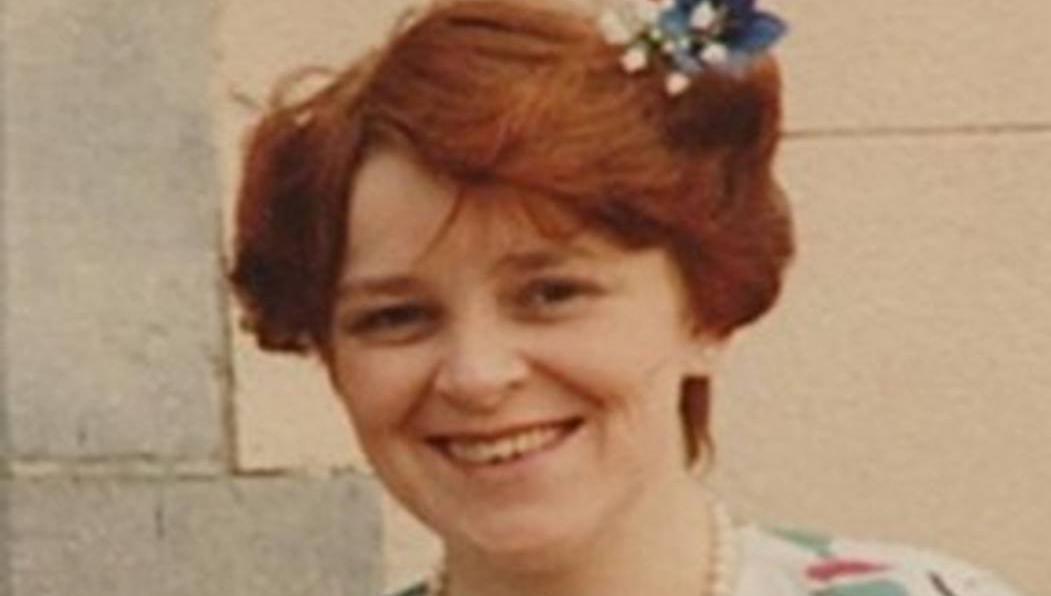
At this time of year, the emotional impact seems even sharper. There is an empty chair at the table, yet there is no grave to visit.
Clodagh Finn: When grieving for a missing family member can't even begin

Sandra Collins went missing from Killala, Co Mayo, 25 years ago. Her brother spoke of what is known of her last few days and the agonising years that have elapsed since.

The only trace of Sandra Collins that was ever found after she went missing 25 years ago was her fleece jacket — discovered on the pier in Killala, Co Mayo — but the significance of her too-short life was brought into sharp focus on Thursday in one of the most affecting radio interviews I have ever heard.
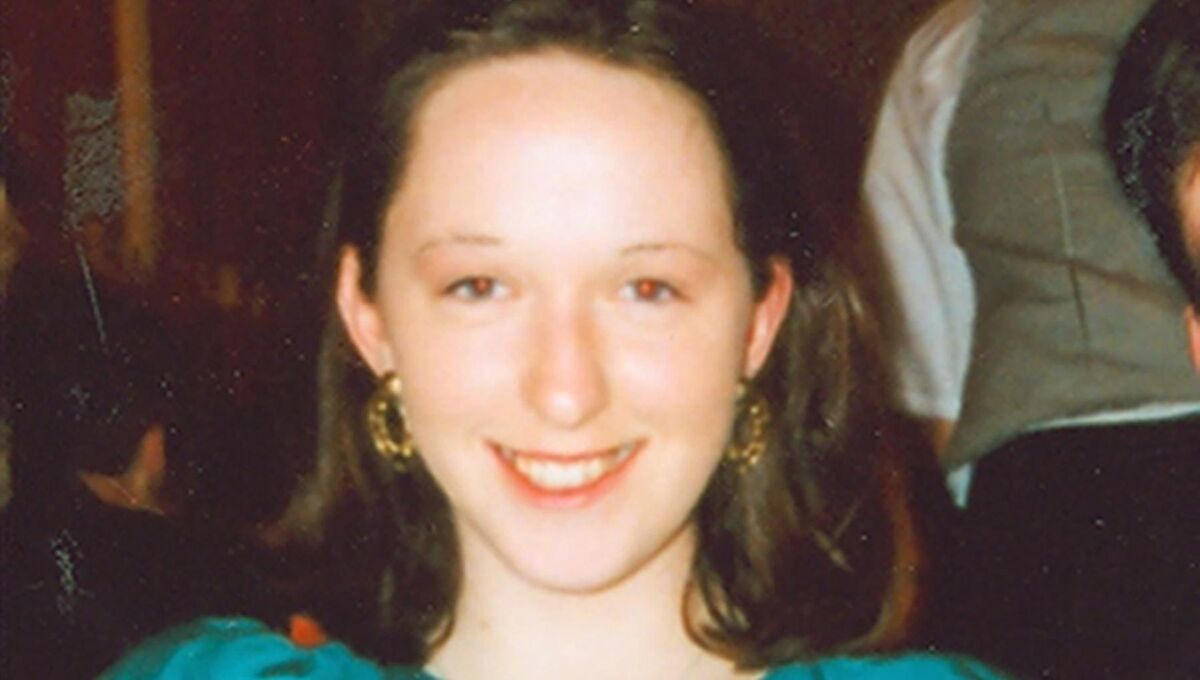
On the 25th anniversary of her disappearance, her brother Patrick Collins spoke with unusual eloquence about what is known of her last few days, and the agonising years that have elapsed since then.

“I think it’s the closest thing to hell that there can exist on this planet. You know, when somebody you love is out there and you don’t know where they are and where they’re buried
 you’re mentally, physically, emotionally exhausted.”

He was speaking to RTÉ as gardaí renewed an appeal for information that might help them to find the person who killed the Mayo woman 10 days before her 29th birthday in 2000. They believe that person was someone she knew and trusted.

Appeals of that kind are made all too regularly, even if we rarely stop to consider the human suffering behind each one. But that was brought home with force this week when Patrick Collins spoke of the family’s hope that some new piece of information would help to locate his sister’s body so she might be buried with dignity.

“She doesn’t deserve to be left in some ditch or some drain or some bog-hole, wrapped in God knows what, out there all on her own. It’s so, so difficult to explain to people,” he said.

Yet, he did a powerful job; his words all the more poignant as they were spoken just after National Missing Persons Day when so many others spoke of going through a similar torment.

At this time of year, the emotional impact seems even sharper. There is an empty chair at the table, yet there is no grave to visit. The bereavement is unfinished because, as many attest, in the absence of a body, it can’t even begin.

The circular loop of that kind of loss can only be exacerbated by the frustration of revisiting, again and again, the minutiae of the person’s last sighting in the hope that some hidden clue might come to light, or that it might jog a witness’s memory.

Sandra Collins was last seen in a takeaway in Killala after 11pm on December 4, 2000. She ordered a large bag of chips, enough for two, tucked them in under the fleece that was later recovered and walked out into a dark, wet winter night never to be seen again.

The woman in the takeaway said it was unusual for her not to eat in, but said she wasn’t upset or distressed when she left.

Her brother noted the significance of that and then, in a few minutes of exceptional radio, summed up the life of his older sister by outlining what she did in the last days of her life.

She was caring for her aunt Ann O’Grady and, as usual, they had visited the family home on Sunday, the day before she went missing. She sat in the sitting room — the same one that her brother was speaking from — and showed her mother a photo of the mobile phone she was planning to buy when she got the social welfare Christmas bonus.

“I often think to myself,” said Patrick, “if she had had the bonus the week before and got the mobile phone, would it have made any difference? Would she have been able to ring for help or do something?”

There were details of her going to the shop to buy a half pound of sausages for the tea, and calling to her neighbour and doing his messages — something she did for several elderly people in the town.

On the day she went missing, she rang her doctor to get the results of a blood test that confirmed she was pregnant. She told him she was going to have a termination and spent the rest of the day making a series of calls from the town’s telephone kiosk arranging it.

She was due to travel on December 20 but, as her brother said, she never showed up for that appointment.

In such a short time, Patrick Collins succeeded in providing a remarkably frank and complete snapshot of a woman living in rural Ireland at the start of the new millennium, one who would never get to ring in the new year.

He did so in the hope of jolting someone out of their silence, or some kind of twisted omerta that has stopped them coming forward up to now.

In all missing persons cases, someone knows something. We hear that again and again, along with the appeals for any information, even the slightest, insignificant shred.

In a quarter of a century, things shift. As Detective Inspector John Costello put it: “Relationships change, loyalties change, and people may not now be constrained by the set of circumstances that existed for them some 25 years ago.”

Let us hope that the passage of time along with another telling of the unimaginable pain suffered by Sandra’s family will make a difference.

Silence prolongs the agony for the families of missing persons. We were reminded of that just last month with another significant anniversary.

It was 30 years since Jo Jo Dullard went missing after making a telephone call in Moone, Co Kildare. She had missed the last bus back to Kilkenny and had been hitching from Naas.

In that case, you wonder if having a mobile phone might have made a difference too, though there is a torture in ‘what ifs’ too.

On her anniversary on November 9, her sister Kathleen Bergin said that her disappearance left a silence that words can never quite fill.

But she spoke of hope, too, and the shared commitment to remember, to care, and to never forget. The people who gathered at the national missing persons monument at Kilkenny Castle were, she said, “gathered not only in sadness but in the strength that comes of being together”.

Jo Jo Dullard went missing 30 years ago after making a telephone call in Moone, Co Kildare. Her disappearance left a silence that words can never quite fill, her sister said.

That same sense of communal strength is echoed in the Collins family. To console themselves after losing Sandra just six months after her younger brother James died in an accident, the family began the tradition of decorating the house with Christmas lights every year on the anniversary of her disappearance.

They also started to raise money for charity. They have raised thousands of euro for various charities.

“I wish that Sandra could know that even in her death, she’s helped so many people because when she was alive, all she ever did was help people,” her brother said.

This year, the family is collecting for Down Syndrome Ireland and an autism charity.

It is humbling to hear how one family turned their own unthinkable pain into something so positive, particularly at a time when so many of us are caught up in the nonsense of a Christmas to-do list.

It might be cold comfort for her family, but when Sandra Collins’s birthday comes around on December 14, many who heard her brother speak will think of her and the family who does so much to keep her memory alive.

More in this section

Revoiced

Newsletter

Sign up to the best reads of the week from irishexaminer.com selected just for you.

Cookie Policy Privacy Policy Brand Safety FAQ Help Contact Us Terms and Conditions

© Examiner Echo Group Limited