Colin Sheridan: Ireland is moving so fast, it's forgotten its people
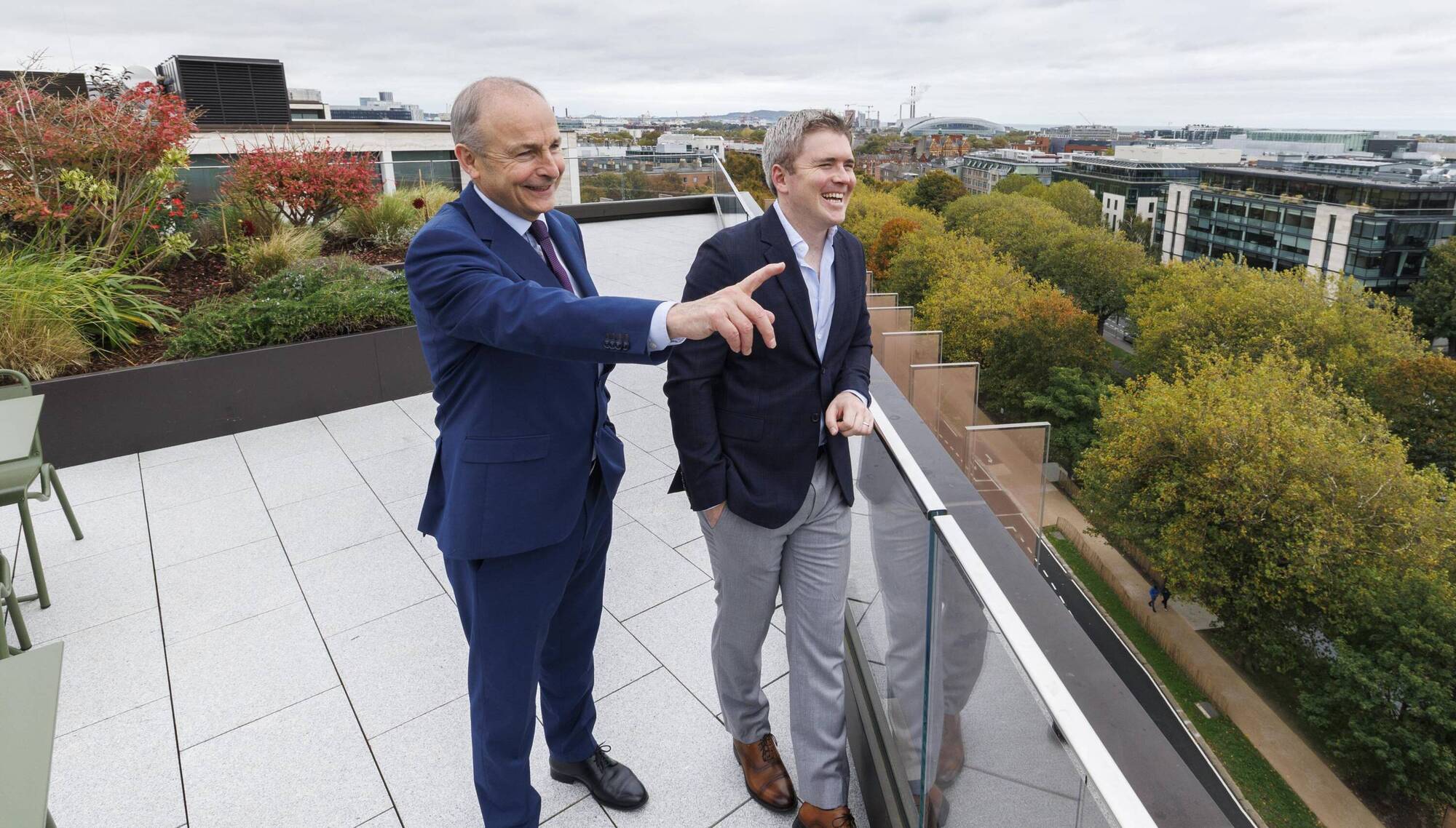
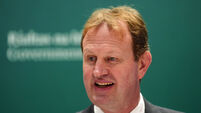
Taoiseach Micheál Martin with Stripe co-founder John Collison at the opening of Stripe's new Dublin Headquarters. Picture: Conor McCabe

There are moments in Irish life that feel like history is meeting itself coming in the door, like when you read a billionaire telling us the country is broken and needs to be run more like… well, whatever place billionaires imagine when they close their eyes and whisper “efficiency".
So, Dubai. They want it to be run like Dubai.
John Collison’s recent sermon to the nation — a sort of Ireland, but Faster! manifesto — belongs in that canon.
The great and the good have always tried to help Ireland do better, usually by recommending things they themselves don’t have to live with. The landlords taught us “efficiency” too if memory serves.
To be fair, Collison’s piece had the tone of a man who loves the place — I just wonder if it is in the same way a tech investor loves a start-up that just needs to pivot, sack half the staff, change the UX, and move operations to a tax-friendlier jurisdiction.
HISTORY HUB
If you are interested in this article then no doubt you will enjoy exploring the various history collections and content in our history hub. Check it out HERE and happy reading
He wants housing faster, infrastructure quicker, decisions without all that messy “public” stuff getting in the way.
He has achieved a lot, has Collison, but his shopping list is nothing that you wouldn’t hear from a standard vox pop at the Dublin Horse Show.
It’s touching really — billionaires always have the most vulnerable at heart. If you listen closely, you can hear the great social justice rallying cries: “Won’t someone think of the data centres?”
Collison’s concerns, however, speak to a contradiction that lives within all of us — we want everything to be better, faster, today, but show us how that sausage gets made and we’d recoil at the blood soaked sawdust on the butcher's floor.
We may cry for the environment, the vulnerable, the homeless, but those tears fall in equity-shaped droplets.
Indulge in me the dreamer for a moment.
In my imagination, the ghost of James Connolly — moustache bristling like a startled terrier — decides to have a word.
Only Connolly isn't one for LinkedIn think-pieces; instead, he chooses the traditional Irish method of political dialogue: Trapping someone in a lift.
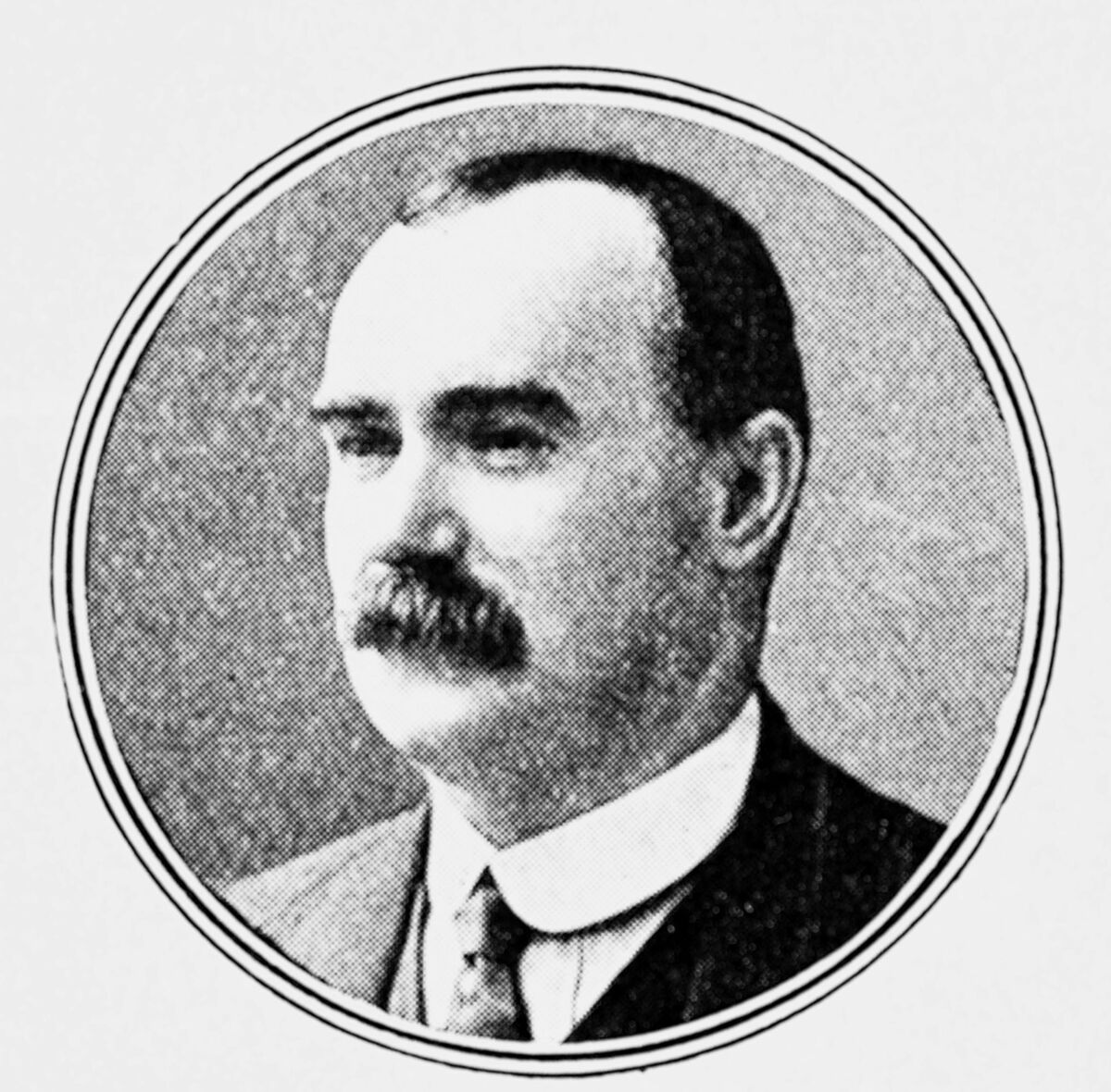
Picture it. Somewhere in the IFSC. John Collison — a proxy for the wannabe billionaire in all of us — steps into a sleek elevator.
He presses “Penthouse”.
A ghostly hand presses “Basement”.
The lights flicker as Collison checks his watch; efficiency waits for no billionaire. A voice, thick with Larkinite class struggle, rises from the ether:
“Tell me, young capitalist, what is a republic worth if the nurse can’t afford rent?”
Collison, to his credit, is polite. Billionaires are often terribly decent, especially when addressing the spectres of executed socialist leaders.
“Look, James, love the hat and everything, but if we streamlined planning decisions, think of the investment.”
At which point Connolly, being Connolly, doesn’t scream — he simply looks heartbroken in that way only martyrs can.
“Investment? My lad, we didn’t die for investment. We died for people.”
The lift shudders. The emergency phone connects to someone in a call centre in New Delhi, who asks if they’ve tried turning Ireland off and back on again.
This is the modern Irish paradox: We are a rich country masquerading as a poor one, run by people terrified of annoying people even richer.
And yet, the true test of a nation is not how quickly it can get a planning application rubber-stamped while on a Zoom call with San Francisco, it’s how gently we hold the vulnerable, how firmly we protect the precarious, how easily we sleep at night knowing nobody is left outside in the rain unless they specifically asked to camp in a doorway for reasons of personal preference and spiritual enquiry. We are failing at that. Spectacularly.
Back in the lift, Connolly gives his coup de grace.
“You cannot measure the soul of a nation in capital flows. It breathes in the child warmed by a public health nurse, the pensioner safe on a winter night, the worker who does not fear tomorrow. Not in airports and equity markets.”
Collison — and again, fair play to the man for listening — nods thoughtfully.
“Of course, James. But could we do all that… just a bit faster?”
Connolly sighs a marble-cold sigh and vanishes.
The lift doors open. Collison walks out.
The janitor, who earns €33,000 a year and has a bad hip and a disabled daughter fighting for supports she should never have to fight for, holds the door open.
“Morning,” he says.
And that — that tiny ordinary moment — is the real Republic. Not the penthouse nor the productivity graph. Not the slide-deck about agility.
If Ireland is indeed broken — and there’s an argument there — it isn’t because it’s too slow for capital. It’s because it’s moving so fast it’s forgetting people.
Billionaires can give us efficiency, fair enough, but ghosts — and the working man and woman — remind us of decency.
And when history judges us, it won’t ask how “agile” we were.
It will ask who we housed, who we fed, who we sheltered, who we lifted up when the lift got stuck.
That’s the only kind of fast that matters.
And may every future billionaire who writes about Ireland be haunted, not by ghosts, but by the stubborn, unprofitable truth that a republic is measured not in financial investment — but in who it chooses to help, and who it casually hurts.
CONNECT WITH US TODAY



Be the first to know the latest news and updates