Gareth O'Callaghan: In a world of constant connection, our phones are doing our thinking for us
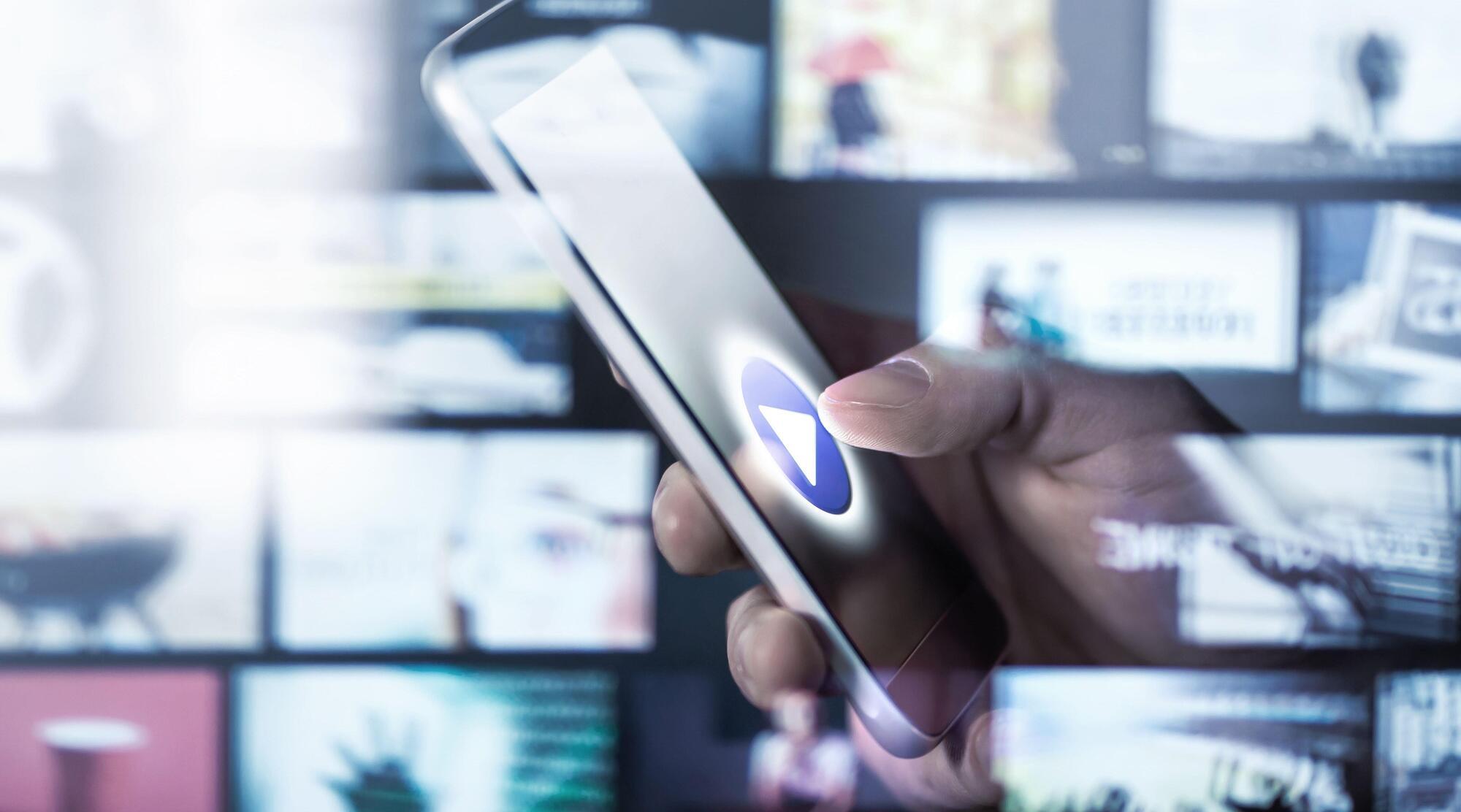
We’ve lost what we once called free time, when we would read and reflect, or escape into our thoughts and memories
Gareth O'Callaghan: In a world of constant connection, our phones are doing our thinking for us

Phones prevent us from reflecting or escaping into our memories or fantasies, or from daydreaming.


I received a text from an old friend. It was his reminder that he won’t be contactable by phone for November: No calls, no Whatsapps, no jokes. No contact unless it’s urgent. He does this every year.

Tom, a writer and retired teacher, calls this his time for dealing with ideas, rather than events. He loves November. “I find inspiration in the falling leaves and the crisp air. This month is lost on me if I’m constantly watching my phone,” he says.

He’s a great character to share a pint or a stroll. He brings the vitality of the past to life with his storytelling; a reminder that the past is what we fall back on in a society that is constantly evolving in a worryingly unpredictable way.

The past is the only reliable measure of where we came from compared to where we are today. I’m reminded of the words of George Eliot: “What do we live for, if not to make life less difficult for each other?”

English literature — books and poetry — has been Tom’s life. He believes now more than ever in our need to think abstractly.

As America goes to the polls next Tuesday, and the world holds its collective breath, very few will be thinking of another event that was unfolding this time 35 years ago. 

Tim Berners-Lee, an English computer scientist, had just completed his proposals for a project called the world wide web. The internet was born.

What has unlimited access done to us on an abstract level?

In 2016, in a list of 80 cultural moments that shaped the world, the internet was number one. 
“The fastest-growing communication medium of all time, the internet has changed the shape of modern life forever. We can connect with each other instantly, all over the world,” their statement read.

We can access any information we want, and that is probably its greatest asset. But why do we want access to people we don’t know and never will? Is it because the thought of being alone with ourselves terrifies us?

And what has that unlimited access done to us on an abstract level?

If you are reading this, it’s likely that you were born before 1985, which places you in a category that is shrinking fast, insofar as you remember a lifetime before the internet.

That might seem trivial until you dig deeper into memory and realise that you actually have two past lives: One lived before the internet, and a time now that has become reliant on the changes it makes to our lives, whether we like them or not.

People born before 1985 are a club — call it the ‘before and after’. Some day, this club will no longer exist.

To be a part of it is to know the importance of indulging in conversation face to face, in solitude, in daydreaming, in nature. Whatever happened to abstract thinking?

Abstract thinking is the ability to grasp concepts that are real, such as time and space, self-awareness and vulnerability, to allow our senses run free and make real, meaningful connections.

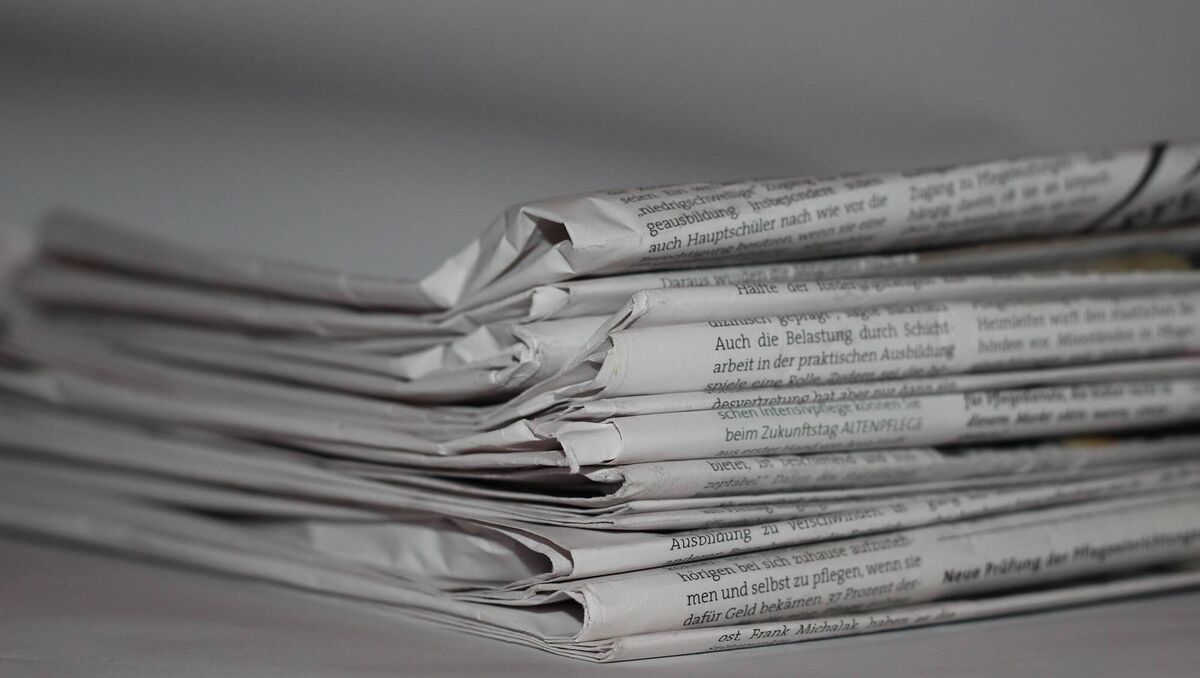
A colleague told me recently that he had dropped into a small shop close to his apartment to buy a newspaper, only to be told by the young woman behind the counter that they didn’t sell them anymore. 

He was shocked and she was indifferent, but he was also in the ‘before and after’. The space in that shop that newspapers once took up was now filled with glitzy celebrity magazines.

So, what makes the ‘before and afters’ different to people born later? For a start, we were born in the analogue age and we had to use our brains to do basic things and to compare ourselves to everything around us.

We weren’t born into a world on the brink of digitalisation, where thinking is done for you, played out on a screen no bigger than a playing card. Now, public opinion has replaced abstract thinking. What others say creates personal beliefs.

But what if a total reliance on one piece of technology controls how we react to everything? Then we lose the ability to think abstractly. If you’re in your late 40s or older, then you get it.

It’s only the ‘before and afters’ who can appreciate the differences in how we once lived, compared to how we are configured to live now. I say configured because life before felt more natural. There was a self-reliance, rather than a tech-reliance. Aren’t there moments when you wish you didn’t have to log on, or didn’t have to keep your phone charged and in your pocket?

We’re scrolling permanently, or checking our texts and emails, and we don’t even notice that the bus we’ve been waiting on for half an hour has passed us at the stop. 

We’re at a point where we now live in a world of constant connection — a behaviour the writer Linda Stone calls “continuous partial attention” (CPA) — a constantly switched-on state of divided attention.

CPA is not multitasking, which is an ability to be more productive. In a state of CPA, we’re not focusing on anything; we’re lost somewhere between distracted and absent. I liken it to brain redundancy.

CPA is as dangerous as an endless diet of fast food. Stone also coined the phrase ‘email apnea’, which means “a temporary absence or suspension of breathing, or shallow breathing, while doing emails”.

We have become slaves to the inbox and to every social-media interaction to which we react.

Our attention spans are shrinking. Twenty years ago, we were able to focus on one topic for two and a half minutes, on average; these days, it’s less than nine seconds. Sadly, we are witnessing what author Michael Harris calls the end of absence, also the title of his book The End of Absence: Reclaiming What We’ve Lost In A World of Constant Connection.

Harris calls it the loss of lack: Time out, daydreaming silences, and those moments of solitude when we connect with the essence of who we are — the intimacy of the bedroom, a stroll in a forest, anticipating a pleasant surprise, time spent appreciating a beautifully prepared meal.

The day you can’t buy a newspaper will mark the end of one of life’s great pleasures.

I was surprised to discover recently that you can now buy summaries of books online to help avoid having to read the actual books. What’s the abstract thinking behind that?

The leaves outside my office window are falling as I watch them, rusted brown and sunburnt red. I am alone with my thoughts as I witness the season changing right before my eyes, something I can’t experience if I’m staring mindlessly at my phone. 

We’ve lost what we once called free time, when we would read and reflect, or escape into our thoughts and memories.

There will never be free time while you’re carrying a phone.

Life before the internet is fading fast, along with what was once so important about the past. Social media is quickly becoming the fabric from which all memories are made.

The day you can’t buy a newspaper will mark the end of one of life’s great pleasures. To those born into an internet mindset, it won’t even register.

Why bother learning anything with our brains when the answers we need are on a screen in our pockets? It has already happened. One comfort is that, if you are a ‘before and after’, you can always take a break from the mindset of continuous partial attention.

None of the others will know that a time in the past existed when abstract thinking was how we learned to live our lives.

More in this section

Revoiced

Newsletter

Sign up to the best reads of the week from irishexaminer.com selected just for you.

Cookie Policy Privacy Policy Brand Safety FAQ Help Contact Us Terms and Conditions

© Examiner Echo Group Limited