That’ll be the day! Has International Women’s Day become a bit dated?
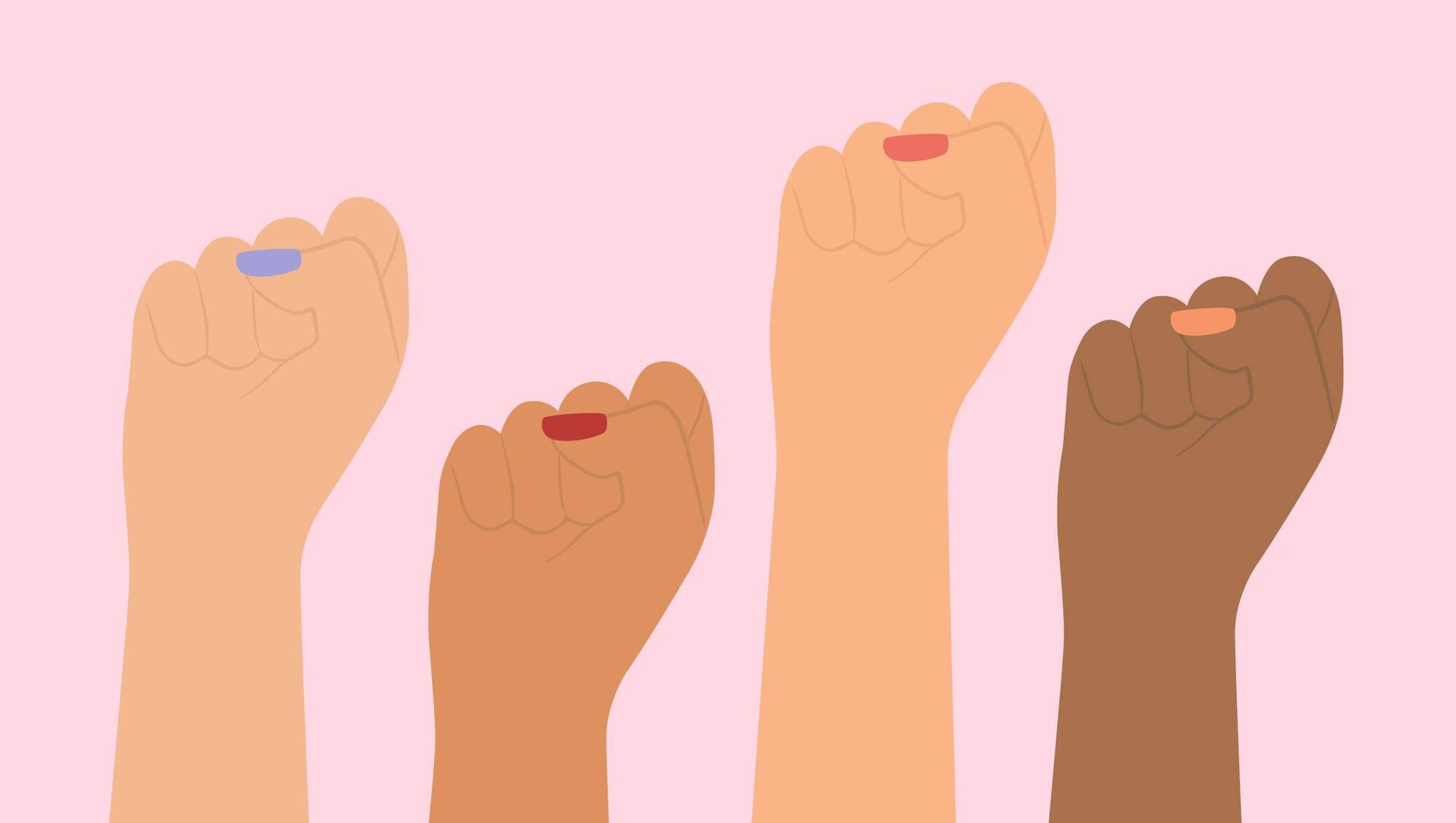
International Women’s Day shares next Wednesday with World Maths Day, Be Nasty Day, Peanut Cluster Day, Proofreaders’ Day, and falls within Return Borrowed Books Week.
Last week, Tooth Fairy Day fell right in the middle of Seachtain na Gaeilge. If it had landed any later, it would have had to contend with National Soup it Forward Day, World Hearing Day, National Cold Cuts Day, and National Dress in Blue Day.
Not forgetting National Employee Appreciation Day and Global Unplugging Day. Without ignoring Mulled Wine Day, International Irish Whiskey Day, National Anthem Day, and National I Want You To Be Happy Day. All happened just before the weekend. Then, on Saturday, came Obesity Day.
No doubt Irish Examiner readers properly celebrated every one of these important calendar highlights, particularly Cold Cuts Day, which may not apply much this side of the Atlantic, but does call for sympathy for curling leftover slices of ham.
Global Unplugging Day maybe has wider application in its mission to get us all to move away from technology from dawn to dusk. That happened on Friday last, and carried the suggestion that we should all reset and “make more human connections with the people around us”, as the organisers put it. Those of us who work might have had a little problem with turning all our technology off, but still, it was a cunning plan.
A well-motivated plan, such as National Employee Appreciation Day, which presumably wants us bosses to stop snarling at and flogging the staff in our operations for one 24-hour shift. Doing it for longer or more regularly would presumeably give the employees notions.
Almost all of the days and weeks designated in the calendar to specific purposes started out well.
The rise and fall of Mother's Day
Even Mother’s Day, which this year lands two days after St Patrick does his snake-banishing trick. That one has its roots in 1868 when a woman named Ann Reeves Jarvis of West Virginia organised Mothers’ Friendship Day as a way to promote reconciliation between Union and Confederate families after the American Civil War. After Ann died at the turn of the century, her daughter Anna extended the brand, creating the first Mother’s Day.
This daughter was a woman whose own mother had popped her clogs and who herself had no children, but she thought it would be great if a day for mothers were added to the calendar, and nagged the influencers and politicians of her day until it happened. Her idea was pretty simple: Wear a white carnation in honour of your mother and maybe even go visit her on the day. What harm?
But of course, evil commerce quickly raised its head and anybody who could make a buck out of mothers, whether through selling cards, flowers, or telephone calls climbed in on the act and turned Mothers Day into a festival, the signature tune of which was a ringing cash register.
Anna hated this and tried to stop it. She spent most of her personal money pointlessly suing commercial firms and having — in her early life — successfully lobbied government and others in order to create the 24 hours dedicated to female parents, she spent the last years of her life unsuccessfully lobbying them to undedicate it.
Which has to be close to unique. A bit like Edison trying to uninvent the light bulb. Or Fleming cleaning up his laboratory so it wouldn’t get mouldy and generate penicillin. Neither was ever going to happen, anymore than Anna was ever going to persuade retailers to stop selling mother-related gifts.
By the time she died in defeated obscurity, phone companies were carrying more phone calls on Mother’s Day than on any other single day of the year.
Once a day or a week has been designated, a natural law somewhere says you cannot undesignate it. You’re stuck with it. Which has its merits. Days that remind people to get their teeth seen to, their moles checked, eyes examined, or ears tested serve a purpose.
It’s questionable, though, that wider behaviour change is spurred by a designated day or week in a month. You may feel great about learning the Irish word for butterfly (féileacáin) but if you set out to prove using a cúpla focail because of one week’s urging significantly widens the pool of Irish speakers, finding objective evidence might be a bit of a challenge.
These designated days are like Christmas or Easter — suggesting we could do without them is best done from a foetal crouch.
How important is International Women’s Day?
Take International Women’s Day as an example.
Next Wednesday is when it falls, much to the irritation of blokes who demand to know why there isn’t an International Men’s Day. To which the answer is that it’s on November 19, and has been for 30 years.
British comedian Richard Herring used to spend International Women’s Day on social media heroically providing this information to men who didn’t even know about their own day.
UPDATE.
— D (@GuitaristDom) March 8, 2018
I've left @Herring1967's Twitter page open to clock the relentless hard work he's doing today on #InternationalWomensDay informing all those tedious men with low grade Google skills.
125 tweets as of 3.10pm (and I didn't start from the beginning of the day). pic.twitter.com/N4rlB17epo
Of course, they weren’t really irked by the perceived lack of a male equivalent. They’re just irritated by media omipresence of the female on that one day. Uppity women appearing everywhere, because (say it low) a special day, whether it’s dedicated to women, wolves, compost, or wire worms, is an easy option for people who have to fill airwaves or newspapers.
A researcher who is critically short of ideas knows they won’t get thumped for suggesting an item for tomorrow’s programme on compost, if tomorrow is Compost Day.
The only problem might be that three other researchers may have happened on it being something else day, because the calendar highlights market is grievously over-supplied.
International Women’s Day, to take just one example, shares next Wednesday with World Maths Day, Be Nasty Day, Peanut Cluster Day, Proofreaders’ Day, and falls within Return Borrowed Books Week, any one of which has merits, particularly Be Nasty Day.
Yet we all nod our heads reverently for Women’s Day. It can, of course, be said that a day devoted to celebrating the progress of women is valuable, and we’ll hear lots of stats about that progress, including the fact that our universities are now awash in female presidents and chancellors.
That fact should make us pause and take time out to thump those woman on the back. But maybe hold the celebration until it becomes the norm, as opposed to the fist-pumping exception.
International Women’s Day is middle aged, middle class, and overwhelmingly white, which is why I’ve always done well out of it, with bookings to make speeches,
facilitate seminars, chair conferences, for which I’m properly grateful.
But maybe it’s time to ask just how important the day now is, and to what extent it has fed into eventitis.
Eventitis is where women’s organisations fill the calendar with events. Events at which they meet other women who agree with them. Events at which shared objectives are expressed and applauded. Events that “raise awareness” and “create networks”. Events that generate longer mailing lists and things to be mentioned in CVs as having been attended. Events that are activity, but not necessarily productivity.
There’s no harm in International Women’s Day. The question is how much benefit there is in it?
Read More
CONNECT WITH US TODAY
Be the first to know the latest news and updates

More in this section