Sarah Harte: Culture wars divide us into rival tribes and ignore our shared humanity 
The abuse directed at Emer O'Neill, and other recent events, should prompt us to ask what would happen if the crusaders among us decided to love themselves and their neighbours
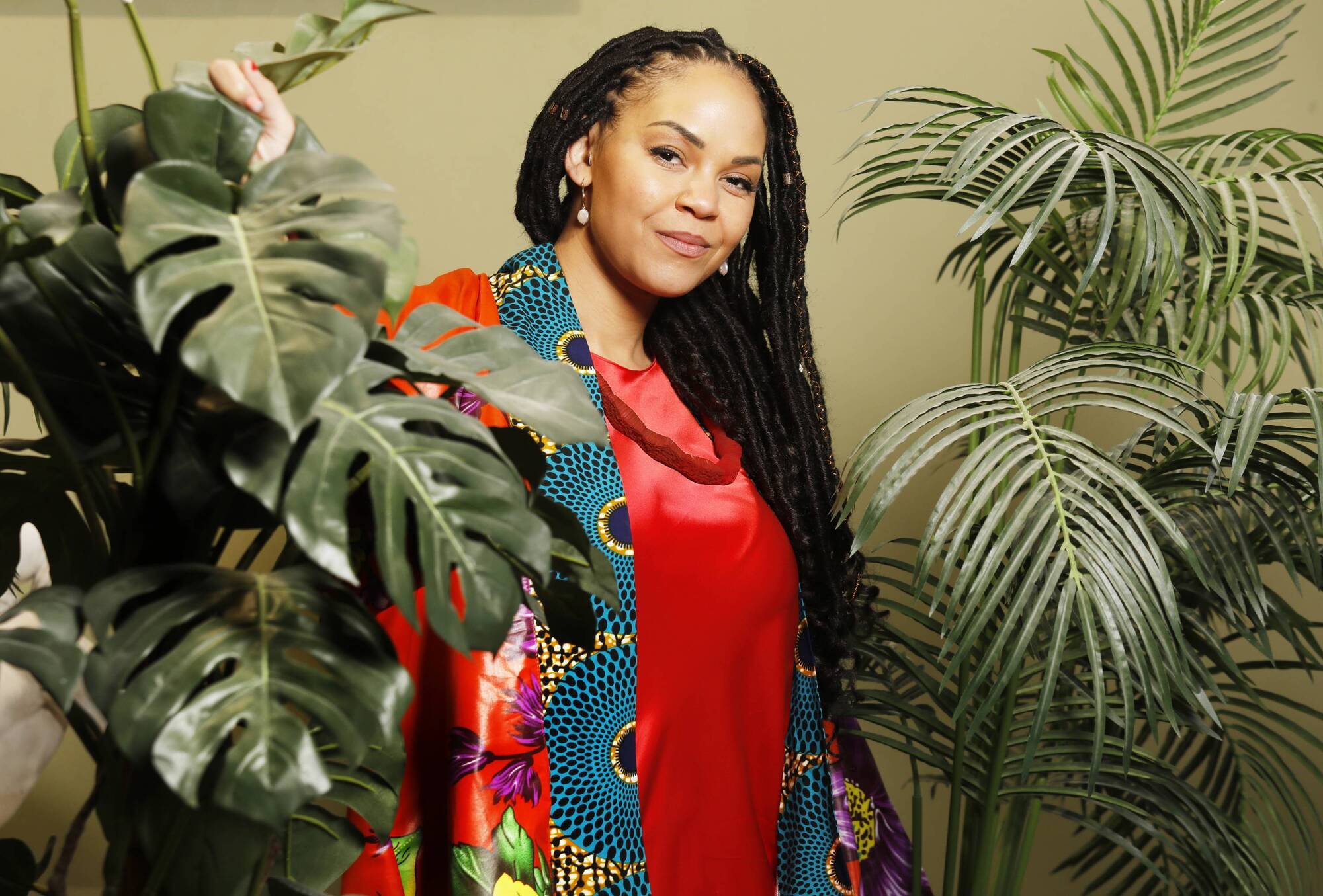
After Emer O’Neill called out comedian Tommy Tiernan for a racist joke, he apologised and the pair came to an understanding — but keyboard warriors weighed in and subjected Ms O’Neill to a tirade of racial abuse. File picture: Leon Farrell/Photocall

After Emer O’Neill called out comedian Tommy Tiernan for a racist joke, he apologised and the pair came to an understanding — but keyboard warriors weighed in and subjected Ms O’Neill to a tirade of racial abuse. File picture: Leon Farrell/Photocall

Last month, various news items raised the suspicion that we are living through a version of ‘the culture wars’.

Some say culture wars are phony disputes between elites. Others say they are a convenient distraction from the fact that while the ‘one percent’ steal the world’s resources the deluded worry about pronouns.

In fact, they have been around forever. During the crusades between 1096 and 1292, Western European Christians and Muslims battled to secure control of holy sites they both valued but ideology and religious intolerance, along with material greed, were the root cause.

Matters of belonging are timeless. However, questions of identity occupy a larger position in our general culture than even a decade ago.

Recently in this paper, Emer O’Neill, who called out Tommy Tiernan for a racist joke, spoke about the “wave of hate” against her for speaking up for herself and her community. She is black and Irish, although many white Irish struggle with the concept of someone being both. 

“The massive social media backlash” and personal attacks against O’Neill point to something far darker than mere confusion.
Other controversies seem more manufactured.

Last Thursday, a book called Why Beethoven — A Phenomenon in 100 Pieces hit the shelves. Its author, Norman LeBrecht, references a 2020 call for Beethoven’s music to be banned “for the good of all who had suffered historical prejudice and injustice”.

This idea was kicked about by critics and academics during Covid when people had time on their hands. Beethoven supposedly whitewashed a black violinist out of history. LeBrecht speculates that Beethoven was black, an idea that Malcolm X and others have flirted with. Some rubbish the notion as ‘whitewashing’, others as ‘blackwashing’.

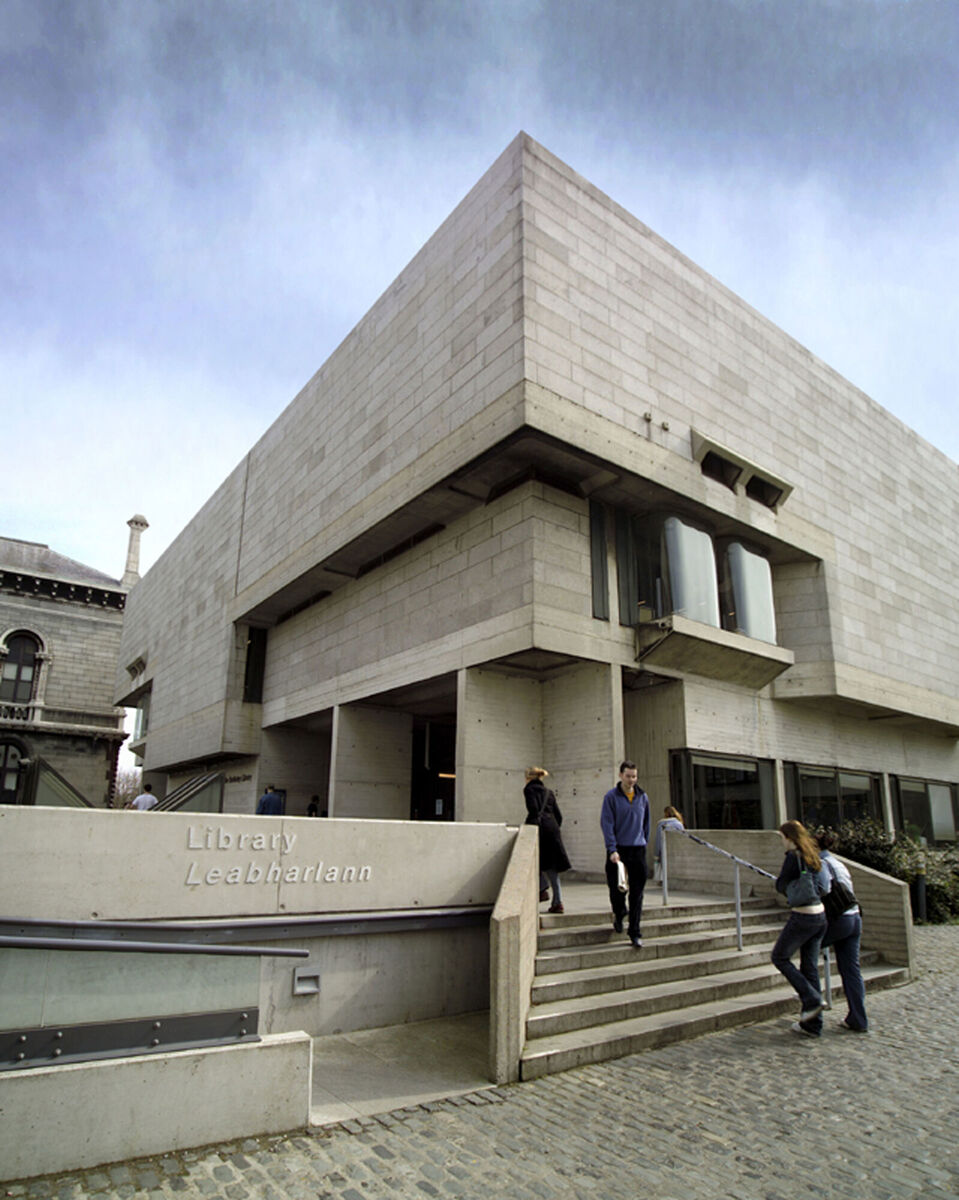
The proposal to rename TCD's Berkeley Library — because George Berkeley was a slave owner — has of course caused heated debate. Picture: Trinity College Dublin

More generally, viewing historical figures through a modern lens raises questions. Particularly when it concerns trailblazers with problematic views which were common in their epoch.

Last week, Trinity College Dublin’s legacies working group closed its submissions regarding the naming of its Berkeley library. The group is considering whether Irish philosopher George Berkeley’s name should be expunged from one of the college libraries. This scrutiny was motivated by the Black Lives Matter protests of summer 2020 and is an attempt to address ‘systemic racism’. Berkeley has been described as “one of the greatest philosophers of the modern period” but he was also a slave owner. He died in 1753.

Many will say that it’s fatuous to deny historical context. Others reject the man-of-his-time defence because some of Berkley’s contemporaries discerned that racism was abhorrent.

Part of me thinks that were we to expunge our art galleries of all racist, sexist, and pederastic painters we would have bare walls. James McNeill Whistler would be a goner. He was a racist who liked slapping abolitionists in the face.

On the other hand, by giving heroes a pass on historic grounds, do we give ourselves a pass as if to say, ‘ah well racism is out of fashion now, so no biggie’, when inequities of race continue?

This intellectual grappling has wider relevance for our society. Recently, the Irish Network Against Racism reiterated its call on the Government to implement its national action plan on racism which is two years overdue. They report that racist incidents are notably on the rise. Emer O’Neill has made the point that racism is “ingrained in everything”. 

In last weekend’s Financial Times, black American publisher Chris Jackson said that the goal of anti-racism is about “being free of the worst idea in history". 

There has been a public academic pushback against renaming the Berkeley Library, including by several Trinity professors. It will be interesting to see what they come up with it.

Recently, arch-crusader Jeremy Clarkson claimed in his Sunday Times column that we are in the middle of a “coup” by “the loony left". His heightened paranoia may be attributed to backlash following his misogynistic, racist comments about Meghan Markle.

Clarkson’s views are fixed in aspic with thinly disguised anti-LGBT undertones. He has figured out that old hegemonies are dying and so has thrown his toys out of the cot. But he’s not alone in his ‘political correctness gone mad’ view, and counternarratives brew.

For another version of victimhood being played on a public stage, we have the evangelical Christian Burkes of Castlebar. Like Clarkson, they performatively assert their beliefs at the expense of others’ peace of mind.

Enoch Burke continues to assert that he has been sacked from Wilson's Hospital School for his conscientious objection on religious grounds to referring to a trans student as ‘they’. In truth, he was sacked — in part at least — for the manner in which he asserted his rights. As ideological battles go, this isn’t merely symbolic. It involves a young student caught in the crossfire.
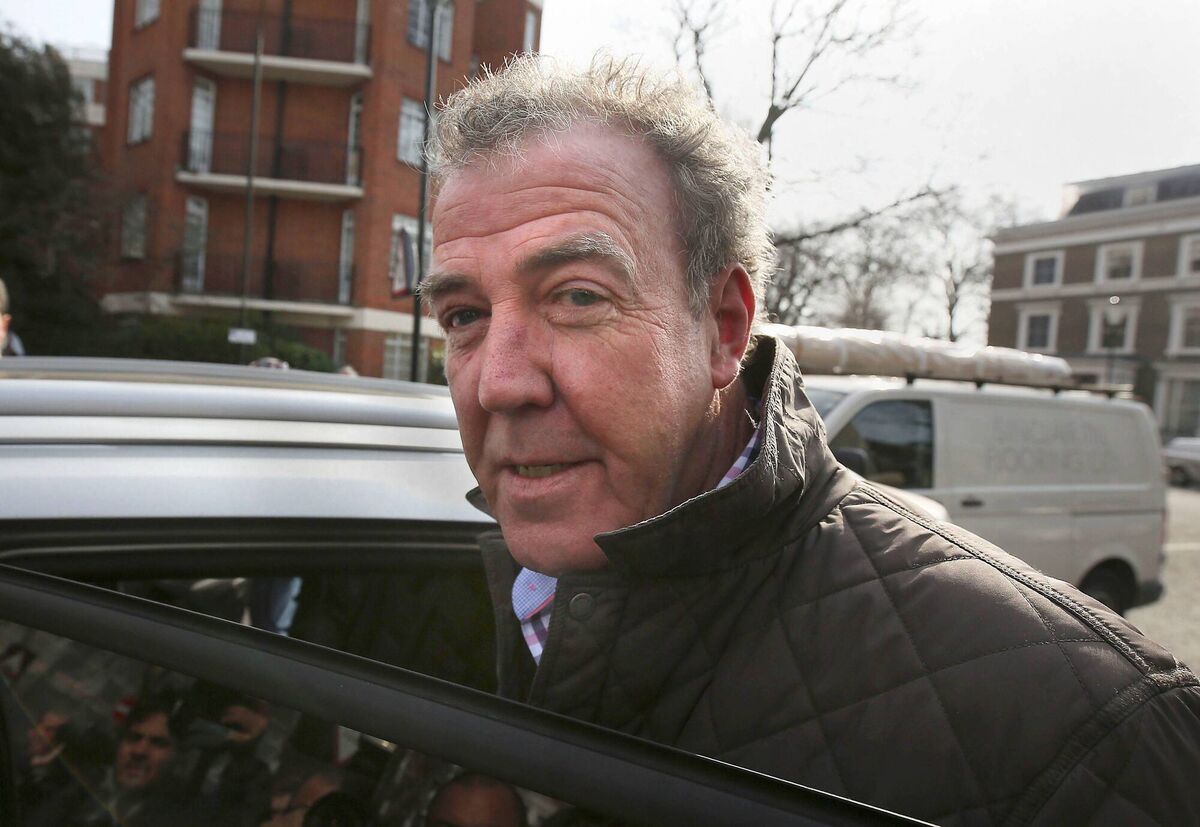
Jeremy Clarkson was dropped by the BBC in 2015 after he punched an Irish crew member, Oisín Tymon. His belated contrition about his recent racist and misogynist attack on Meghan Markle may be due to a further backlash. File picture: Philip Toscano/PA

Last month, Mary Butler, minister of state for mental health, spoke on WLR radio about her son Jay, a fifth-year pupil who has transitioned.

She said the proudest day of her life was when she told her 84-year-old mother about Jay’s decision, and her mother replied: “Mary, I have 12 grandchildren, and I love them all equally.”

Ms Butler spoke about the need to accept those “who find that they want to travel a different pathway in life”, which is a beautiful way to put it.

Recently, in The Irish Times, Salvador Ryan, a professor of ecclesiastical history at St Patrick’s Pontifical University Maynooth, wrote about disliking Christians who are “permanently on a crusade” and who are “stuck in a condemnatory gear”.

He believes in “the inherent goodness of the world and of people”, and of the “extraordinary ordinariness of the grace given to the wounded and the broken; to those who are somehow regarded as not measuring up". His words surely have a broader application.

The concept of grace is interesting. We have a right to passionately pursue causes. It’s one major benefit of living in a democracy. However, the rhetoric of polemicists, whether it concerns race, identity, or religion, can be deeply wounding to others.

Social media has enabled people to cluster together in cyber tribes often with unhealthy results. Studies show how online algorithms separate internet users into ideological echo chambers whereby differing viewpoints are discarded. This confirmation bias further hampers our ability to tolerate different opinions.

It seeps into the substratum of how we think, affecting how we treat real-life people. Perhaps we need to consider how to use our voices understanding that other voices are not necessarily a threat.

A question for the crusaders among us might be: Could you find a way to love and accept yourself, and your neighbour before wrapping yourself in a flag and deciding to die on a particular hill?

Now that would be radical.

More in this section

Revoiced

Newsletter

Had a busy week? Sign up for some of the best reads from the week gone by. Selected just for you.

Cookie Policy Privacy Policy Brand Safety FAQ Help Contact Us Terms and Conditions

© Examiner Echo Group Limited







