Joyce Fegan: When Mother's Day proves problematic
Embracing the reality of the many shades of Mother's Day, as opposed to the hallmarked one, might make for an easier day
Joyce Fegan: When Mother's Day proves problematic

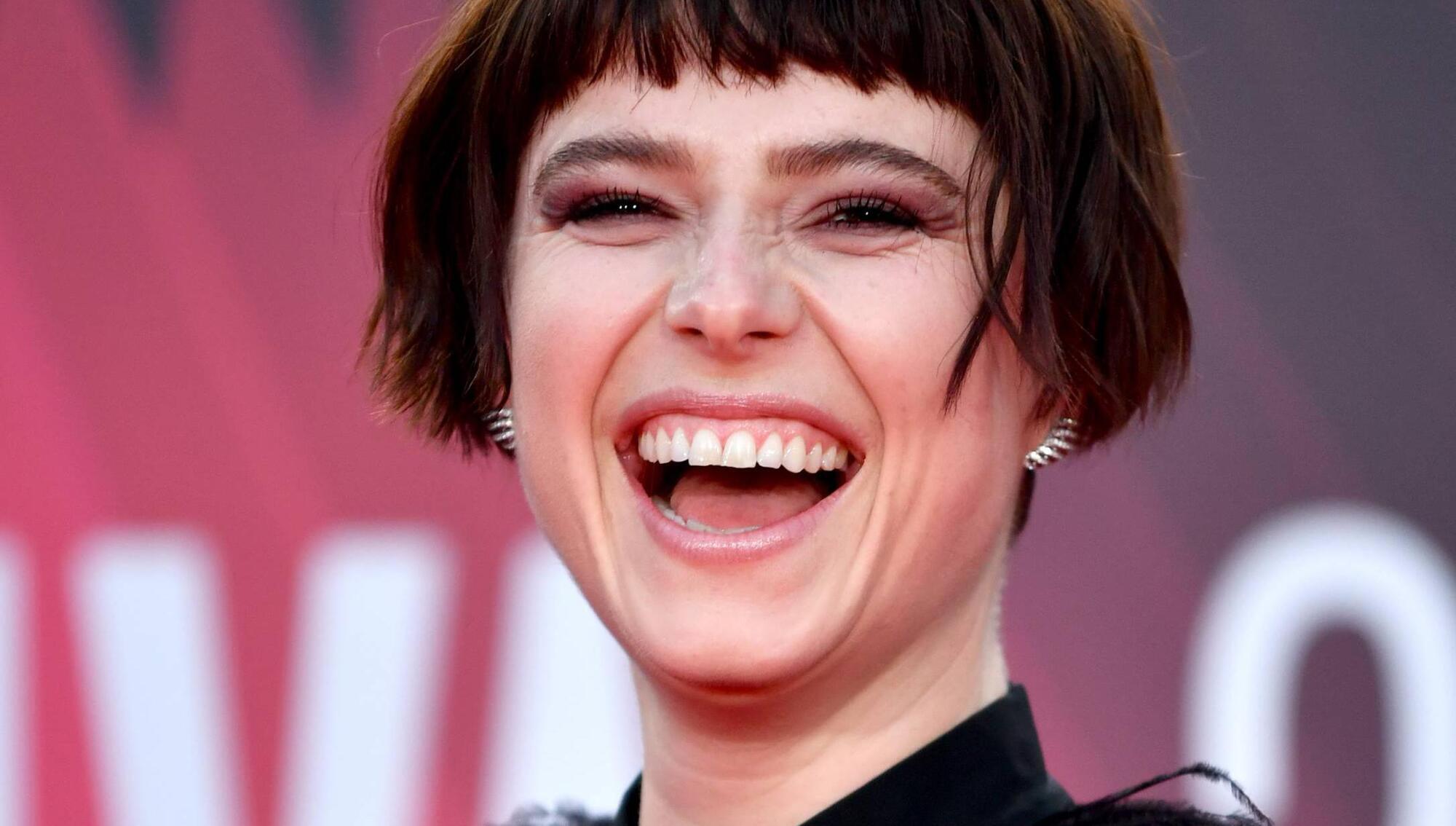
Jessie Buckley at the premiere of her film ‘The Lost Daughter’, which examines being overwhelmed in motherhood.

Today is Mother’s Day. Ads, social media feeds, and those free supermarket deals pamphlets will paint it as a harmonious occasion marked mostly by flowers.

In our commercial world, there is no other narrative. But in our complicated lives, we know there are many different shades of mothering. It’s time we made room for some of them.

Specific to Ireland, there are those men and women who do not know their biological mother’s name. They do not know the ins and outs of their birth story. For some, their early lives were spent in mother and baby institutions, with relatives, or with newly adopted families. Their stories are further complicated by attempts at connection, were a maternal name available, but said attempt didn’t go to plan.

This affects not only the adopted person, but also the people who became mothers through adoption. What is this day like for them?

Theirs is not a simple narrative that can be captured on a glossy magazine sheet next to eight different choices of floral bouquets. And this is not a rare story in Ireland, it’s a relatively common one. When we sideline this narrative for the sake of one with clean commercial lines on a day like today, we sideline swathes of sons, daughters, and mothers.

Then there is the biological child and mother relationship, where all might not be well, even in the presence of a shared bloodline. Reasons for, and depths of disconnection, vary. For some, relationships might be strained, for others they might be totally estranged. Then there is the messy middle ground, where there is contact but little affection and barely any closeness. Divorce can be one reason for dissolution of connection, alcoholism and addiction too. 

Estrangement is taboo. And nowhere does it feature in Mother’s Day marketing, despite its prevalence in reality.

Stand Alone, a UK charity that supports people who are estranged from relatives, suggests that estrangement affects at least one in five British families. And one US study found that more than 40% of participants had experienced family estrangement at some point in their lives. That’s a lot of people for whom the Mother’s Day narrative doesn’t quite fit.

What about people trying to become mothers?

The HSE states that around one in six heterosexual couples in Ireland may experience infertility. That road is a fraught one. Even after conception, it’s estimated that one in four pregnancies end in loss. There were 55,959 births registered in Ireland in 2020. These are big numbers. There are tens of thousands of people, either in partnership or alone, on the journey to motherhood in Ireland every year, some of whom have already experienced loss — prospective birth dates that will forever remain in their mind. And there are those for whom Mother’s Day will never come to pass. This is private grief. Nowhere is this common experience reflected in the hallmarking of a day like today.

And what about women, for whom motherhood is expected of them, just because they possess a womb? Our society at large expects women to procreate, and by a certain age. If she chooses not to, she is labelled a ‘career woman’ for ease of narrative fit. We used to call these women ‘childless’. But they are not ‘less’ anything. They are childfree by choice. Motherhood was never their desire, neither a function, nor an assumed destiny they were going to fulfil. This is a newly emerging and welcome narrative.

These shades of Mother’s Day are more kaleidoscopic than merely black and white, with little touches of grey.

There are women who became mothers through marriage, children who received a second mother from the same matrimony, and people who became mums through fostering or adoption. There are children who have two mothers, and those whose mothers needed surrogate or donor care. And there are mums who hoped to foster kids or who did, and they have now moved on.

There is no neat narrative. To make it out like there is creates a single story that serves to isolate many.

Then there is the mother and child for whom today looks like a perfect fit. The joy at being a mother, in whatever way that came to pass. As much love and connection as there is, there is the other side of the story too — the ambivalence. In place of the ‘bliss myth’, there is the reality that motherhood is hard. Yes, you love the bones of your child, but in the same breath, you desire freedom in those regularly recurring moments of frustration. The science and sociology of motherhood, as examined by people such as Sophie Brock, podcaster Zoe Blaskey, or author Bethany Saltman thankfully now pick this ambivalence all apart.

So too is popular media, now that a few women are getting a seat in the director’s chair. Kerry’s Jessie Buckley will walk the red carpet in Hollywood for her Oscar nomination for an actress in a supporting role. The movie is called The Lost Daughter. Directed by Maggie Gyllenhaal, it’s a viscerally uncomfortable watch looking at the overwhelm people can experience in motherhood. The bliss myth combusts.

And then there is the grief — people who will today remember their mothers with much fondness and great gratitude, or with some nuance. Perhaps they died when they were young and it’s an everlasting sort of grief, or maybe they lost them over the last two years and the grief was further complicated by Covid; virtual funerals and a vacuum of community support.

For as many stories mentioned here, there are many more. People who have come here seeking protection and in doing so have left aging parents, or young children, in war-torn or economically bleak countries. They live with the knowledge that physical reunion might never recur. And then there are the mums whose children have left this world.

These stories aren’t anomalies. They are aplenty. Embracing the reality of the many shades of Mother’s Day, as opposed to the hallmarked one, might make for an easier day.

More in this section

Revoiced

Newsletter

Sign up to the best reads of the week from irishexaminer.com selected just for you.

Cookie Policy Privacy Policy Brand Safety FAQ Help Contact Us Terms and Conditions

© Examiner Echo Group Limited