Joyce Fegan: Phonesick? Individual abstinence alone is not the solution
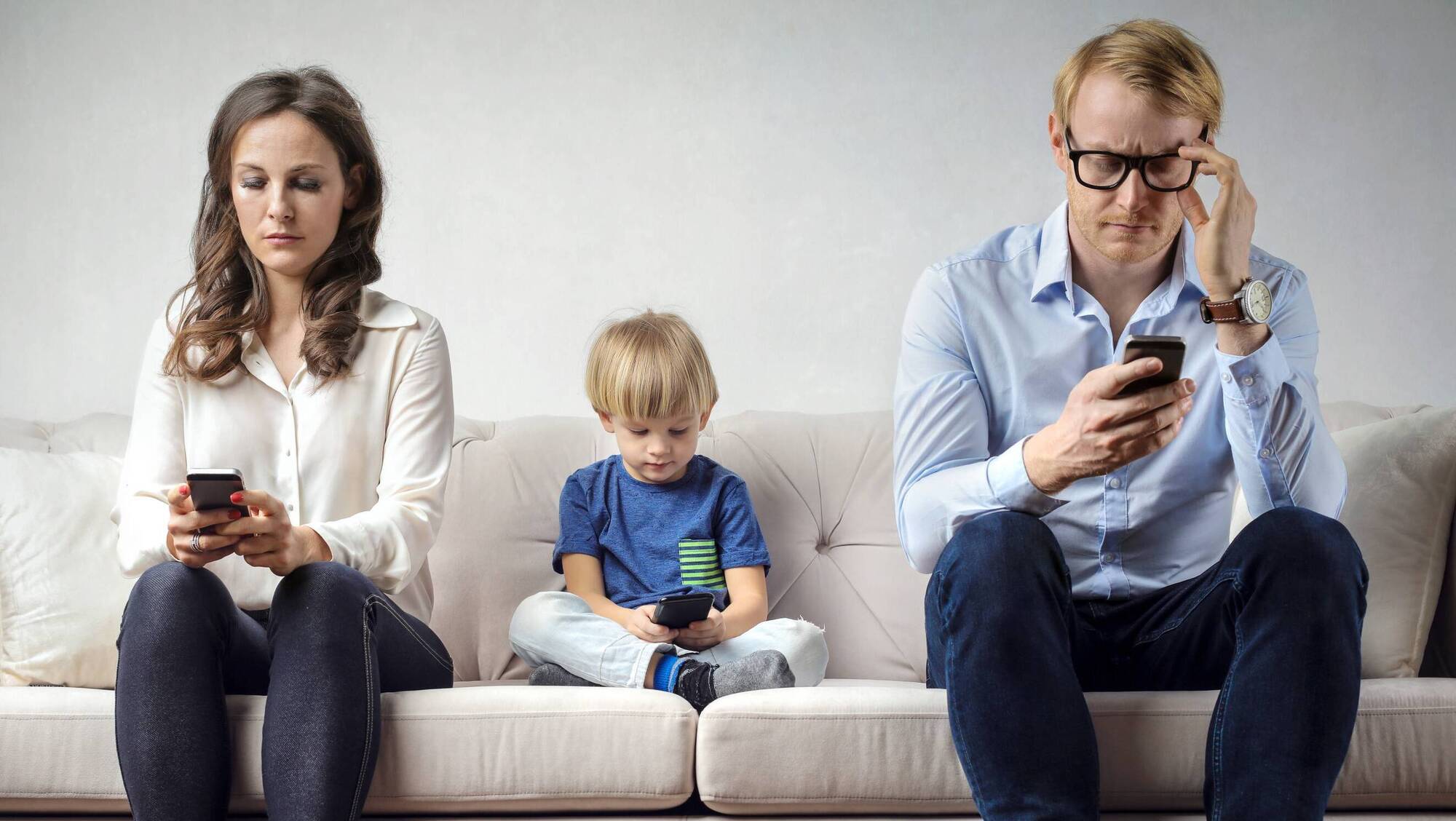
The human brain evolved from thousands of years of us living in small, multi-generational family groups. We talked more, touched more, held eye contact more, all of which fed the brain in a 'rich way'. File Picture: iStock

Seven years ago I wrote an article for this newspaper about the experience of getting offline for a week — looking at why we were spending so much time online in the first place.
Instagram had been around for just five years, the iPhone was around for just over eight, and all-you-can-eat data wasn’t really a thing — you absolutely needed wi-fi to get online, unless you wanted to incur a massive phone bill every month.
This week, a book called , by Johann Hari, was published. As part of his own research, Hari went offline for three months, reaped the glorious benefits, but fell straight back into the slipstream of the smartphone 24/7 breaking-news-social-media turbojet afterwards.
This is what Dr Gabor Mate - Canada’s best-known psychiatrist, and one of my heroes - said about my new book, ‘Stolen Focus - Why You Can’t Pay Attention’, which is out today in print & audiobook https://t.co/PLFASkgtrX pic.twitter.com/cGKeblIQsD
— Johann Hari (@johannhari101) January 6, 2022
I had just finished another of my own digital detoxes — no-phone cold turkey — for four days over Christmas. If the WhatsApp message was urgent enough, whoever was looking for me could call to my door. No one called.
The ever-present undercurrent of urgency that seemed to run through my body slipped away. The fractured focus that has become my brain mended itself back together to become more laser-like and long-term. All the daily messages that I both send and receive no longer seemed so urgent.
When I turned my phone back on, there were 19 separate message threads to be opened on WhatsApp. There was little longing to re-engage. I had loved my time offline; I had been reformed, and things were going to be different this time.
That was three days ago now.
Today I’ve checked WhatsApp dozens of times, seeking out both distraction and connection. Instagram the same.
The publication of Johann Hari’s book and the return from my own digital detox coincided with one other thing this week — .
We are watching the much-talked-about TV series, starring Michael Keaton, about the opiate epidemic in America, caused by a highly addictive narcotic that was overprescribed by doctors and under-explained by its manufacturer and the US drugs regulator.
People in pain, who simply went to their trusted doctor for help, found themselves grossly addicted to an opioid that seemed impossible to quit. People found their lives infiltrated and dominated by a product they had never actively asked for, but that was created by a for-profit company in search of its next big global product.
It felt a bit like our sudden relationship with smartphones and social media — were we phonesick?
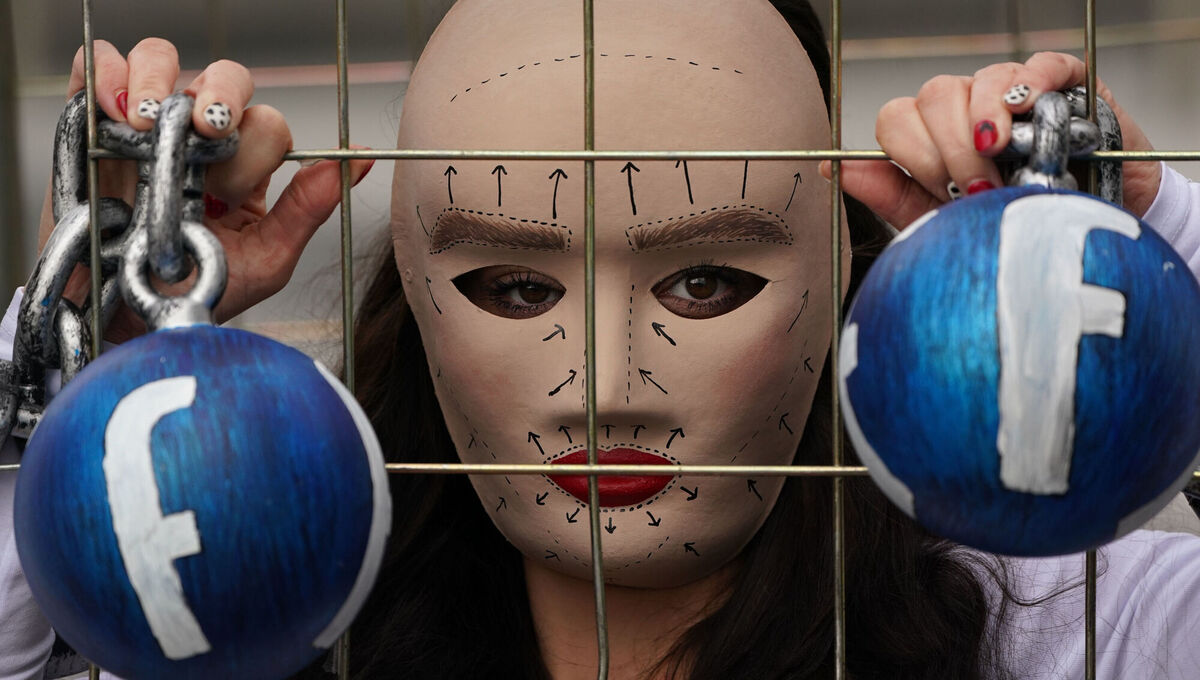
Back in September 2015, the time the original article was published, there was already lots of academic research about the effect of social media and smartphones on our brains, our sleep, and our relationships, authored by world-leading neuroscientists and psychiatrists who headed up faculties in some of the most renowned universities on the planet.
Suffice to say, seven years later, it is emphatically a case of “they told us so”.
Leading psychiatrist Daniel Siegel had pointed out that our move toward text-based communication meant we were missing out on all the non-verbal cues also used in communication — the stuff babies use to read the safety of their environment: Eye contact, tone of voice, and facial expressions. It means we’ve over-activated the left side of our brain, and therefore the right side of the brain that helps to mediate emotions is being neglected. American psychiatrist Dr Bruce Perry was telling us that social media meant we have “invented a world that is relationally different to the one our brain prefers”.

The human brain evolved from thousands of years of us living in small, multi-generational family groups. We talked more, touched more, held eye contact more, all of which fed the brain in a “rich way”, the doctor said. Seven years on, the research considered, we’re more entrenched than ever in this digital world.
We shop online, have parties online, work online, find love online, and even attend funerals online. We never sought any of this out. When we give out to our kids about being on their phones too much, or lacerate ourselves with guilt for giving the kids too much screen time, we’re kind of playing a losing game. It’s a bit like climate change.
We can feel all the eco-anxiety we want and make all the personal behavioural changes we can, but unless we hold industry to account and get governments to regulate, we’re losing the game. That is a key message from Johann Hari’s book.
He did the three months offline, has made all the personal changes he can, yet he still finds himself ensnared in a world that his human brain wasn’t designed for. He spoke with former Google engineer James Williams, now a leading philosopher on attention.
'Let’s not push it back on the individual to change' is the message.
That’s what they tried to do in . Abuse and addiction was the personal responsibility of the drug user, not, for example, of the pharmaceutical company that lied heavily about its product’s addictiveness, to do-no-harm doctors, and a national drugs regulator.
When it comes to phones and social media, 24/7 news, online shopping, or scrolling, we might not be addicted, but they were all designed by big companies with deep pockets, creating products that hooked into our brain’s chemical reward systems, and our species' fundamental needs to belong.
You can put the phone down all you like, but they are two very large beasts to have to abstain from, especially when your friends, family, and colleagues all meet, organise, and connect online.
One study from Carnegie Mellon University, that Hari cites in his book, found that we have lost about 20% of our brain power because of our online living. Let’s balance that against the books of global social media companies whose profits continue to soar in the total absence of regulation. The thing though, with phone use, social media presence, and online engagement, is that it has become part and parcel of the fabric and day-to-day functioning of our lives.
Abstention is not the cure. Personal boundaries, if you’ve got the mettle, maybe. Regulation is the answer.
I’m not OK with a 20% loss in brain power to the financial betterment of a group of shareholders whose names I will never know. Are you?
CONNECT WITH US TODAY



Be the first to know the latest news and updates