Clodagh Finn: Alcohol price rise — nanny state or good public health measure?
During the pandemic, more people were admitted to the intensive care unit in Beaumont Hospital with alcohol-related problems than with Covid.

There’s a certain irony in introducing price controls on alcohol just as so-called ‘Dry January’ gets into gear.
If you hadn’t voluntarily decided to cut down on the booze, you might interpret the introduction of minimum unit pricing, which came into effect yesterday, as further proof that the State has turned into a meddlesome nanny.
Two years of Covid-19 restrictions have made us weary — and wary — of anything that smacks of heavy-handedness or of a Government trying to pointy-finger us into leading healthier lives. Little wonder, then, that coverage of the hike in alcohol prices, targeted though it is, has been framed in terms of what has been taken away, rather than what we might stand to gain.
Having said that, even without a pandemic, the measure would have been controversial. It has taken a full decade to implement the Public Health Alcohol Act which aims to reduce the harm done by the availability of cheap alcohol in the retail sector. In other words, it has taken successive governments 10 long years to face down a powerful drinks lobby and a retail sector that recklessly cut alcohol prices.
And that in the face of ample global data to show that price, promotion, and availability drive the consumption of alcohol. There is, according to the World Health Organization, a ‘robust evidence base’ to show that increasing the price of cheap, strong, and easily available alcohol can reduce harm, cut hospital admissions and, ultimately, save lives.
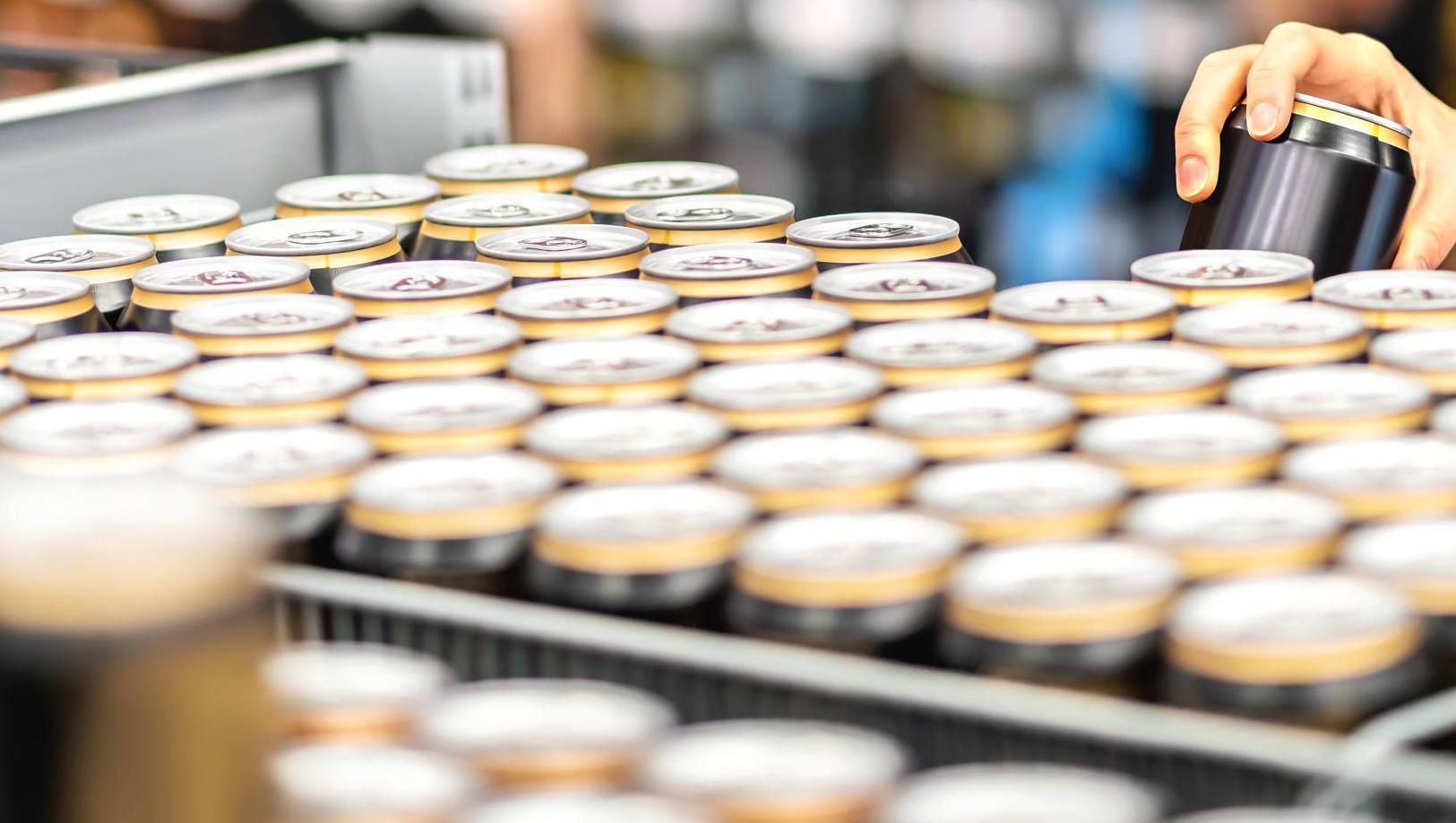
Yet, the focus in the last few days has been on the retailers and consumers who feel cheated at having to pay at least €1.70 for a can of beer, which is less than the price of a cup of takeaway coffee.
You’ll find lots of price tables explaining how the measure, which ensures that one gram of alcohol costs at least 10 cent, will affect the price of beer, wine, and spirits. Unlike taxation, it targets the cheapest and strongest alcohol and, in the process, hopes to deter younger drinkers and binge drinkers.
For example, a 24-pack slab of beer that cost €15 or less will now cost €40.80. “It’s a slab in the face for retailers,” as one particularly clever headline writer described it.
There have also been predictions of a surge in cross-border shopping. The introduction of minimum unit pricing is still some way off in the North. Others have focused on the ‘hidden costs’, outlining the price increases in off-licences, shops, and supermarkets in minute detail.
But hold on a moment; aren’t we focusing on the wrong ‘hidden costs’?
Without meaning to be a killjoy, there is no getting away from the statistic that shows alcohol harm costs Ireland an estimated €3.7bn every year. That figure takes into account the cost of alcohol-related healthcare, crime, and social protection.
Nobody wants to be a party-wrecker or point a finger at the struggling person who wants to take the edge off with a glass of wine, but when we are talking about the cost of alcohol, we need to show both sides of the story.
As Alcohol Action Ireland puts it: “In Ireland, we have normalised heavy drinking of alcohol at almost every occasion — in particular at Christmas. So why not normalise calling out the harm it does?”
There have been lots of column inches dedicated to Dry January and its latest incarnation — mindful drinking for the ‘sober curious’ — but much less on the experiences of the 200,000 children and 400,000 adult children dealing with issues caused by alcohol harm in the home right now.
It isn’t very popular to join the dots and relate alcohol consumption to health issues either.
It was striking to hear Dr Stephen Stewart, consultant hepatologist at the Mater Hospital in Dublin, relate this week that mortality from alcohol-related cirrhosis of the liver had increased three times in the three decades since he qualified. He believes minimum unit pricing will have a very significant impact. Professor John Ryan at Beaumont Hospital in Dublin makes the same point, explaining that an increase in home drinking during lockdown had a severe impact on hospital resources.
During the pandemic, more people were admitted to the intensive care unit in Beaumont Hospital with alcohol-related problems than with Covid, he says. That is a statistic that should appear alongside the daily Covid figures.
Indeed, it’s worth considering including the daily harm inflicted by alcohol alongside the daily Covid rates. Here are some examples:
In 2020, we drank 10.07 litres of alcohol per capita. That corresponds to about 40 (700ml) bottles of vodka, 113 (750ml) bottles of wine, or 436 pints of beer.
Three people in Ireland die every day of alcohol-related diseases.
In 2020, an estimated 1,000 people were diagnosed with alcohol-related cancers. One-in-every-eight breast cancers in Ireland are alcohol-related.
Alcohol-related deaths will fall by an estimated 197 per year after 20 years of minimum unit pricing; the time span needed to see the full effect of the measure.
If we were reminded of these stark realities daily would it finally shake us out of our denial about alcohol use and abuse in Ireland?
Who’s to say, but those harms must be part of any discussion on minimum unit pricing. It’s too easy to say that removing cheap alcohol will make little difference. Some argue that it may even make things worse as those addicted to alcohol will simply cut back on essential food basics rather than alcohol.
We might also ask why the extra revenue is not being channelled into under-resourced addiction and mental health services? That is surely the greater part of the solution.
All the same, the medical profession and those working in recovery from addiction could not have made it any clearer: the widespread availability of strong, cheap alcohol exacerbates the harm caused by alcohol.
These products, they say, are preferred by the heaviest users of alcohol and binge/high-risk drinkers. To put that into context, Paddy Creedon, a recovery-from-addiction advocate, says there are three types of alcohol consumers in Ireland: Normal drinkers (50% of population); harmful and hazardous consumers who drink more than recommended safety levels (40%), and those with a dependency on alcohol (10%).
He believes that reducing access to cheap alcohol will certainly have a positive effect on all harmful consumption, but says we need a huge cultural shift to address the underlining ambivalence to alcohol consumption in Ireland.
“Without a systemic cultural intervention, like the ones introduced to tackle smoking, plastic bags, and climate change, we will be pushing the rock up a mountain while the vested interests line up to push it back down again,” he says.
It is beyond time to have an honest conversation about alcohol in Ireland; one that balances the hail-fellow-well-met face of convivial drinking against the incalculable harms inflicted by excess consumption. The introduction of minimum unit pricing is a step in the right direction but we simply can’t wait another decade for the other overdue measures, such as investment in addiction and mental health services, to follow.
We have normalised heavy drinking of alcohol at almost every occasion, so why not normalise calling out the harm it does too?
CONNECT WITH US TODAY



Be the first to know the latest news and updates