Terry Prone: Checking out from a surprise short staycation — with added scans
I can’t exactly ring Pat Kenny and ask: “Did I seem normal to you while I was losing my memory on your show?”

This budget is going to be a 24- hour wonder because whatever anybody gets will be eaten by inflation. Like treating yourself to a hamburger and having a seagull nick it as you walk home.
We need more trainers and are embarking on a ‘Train the Trainer’ programme. I spend the afternoon prepping for it and for a Pat Kenny interview the following morning.
The course starts at 9am and at 20 past, having set participants an exercise, I do a landline interview with Newstalk’s Pat about the budget. Then back to the course until lunchtime. Sitting in the training room afterwards, I ask Ellen, our course co-ordinator, a question. Couple of minutes later, I ask her the same question. Third time I do this, she buzzes off and brings in Lorcan Nyhan, our head of training. I ask him a different question but the repetitious pattern continues. They call an ambulance, which I think is reasonably courageous since the two of them added together don’t match my age.
In ED, I am in the care of a Byronic doctor who seems clever.
My son materialises, panto-fashion, on my left. I have no idea he’s been outside, awaiting his big break, for four and a half hours.
Eventually, it gets through to me: I delivered a course for four hours, of which I have not the smallest recollection. I did an interview on live radio, ditto. My son, despite sitting outside for hours, is between intrigued and amused by the fact that my memory disappeared for half a day and that I’m not bothered about it. Of course, the reason I’m not bothered is that I can’t remember being told that I can’t remember stuff. Progress, though.
I can now recall what he says for a whole 10 minutes as opposed to forgetting it in 30 seconds. But about this morning? Nothing. And I can’t exactly ring Pat Kenny and ask: “Did I seem normal to you while I was losing my memory on your show?”
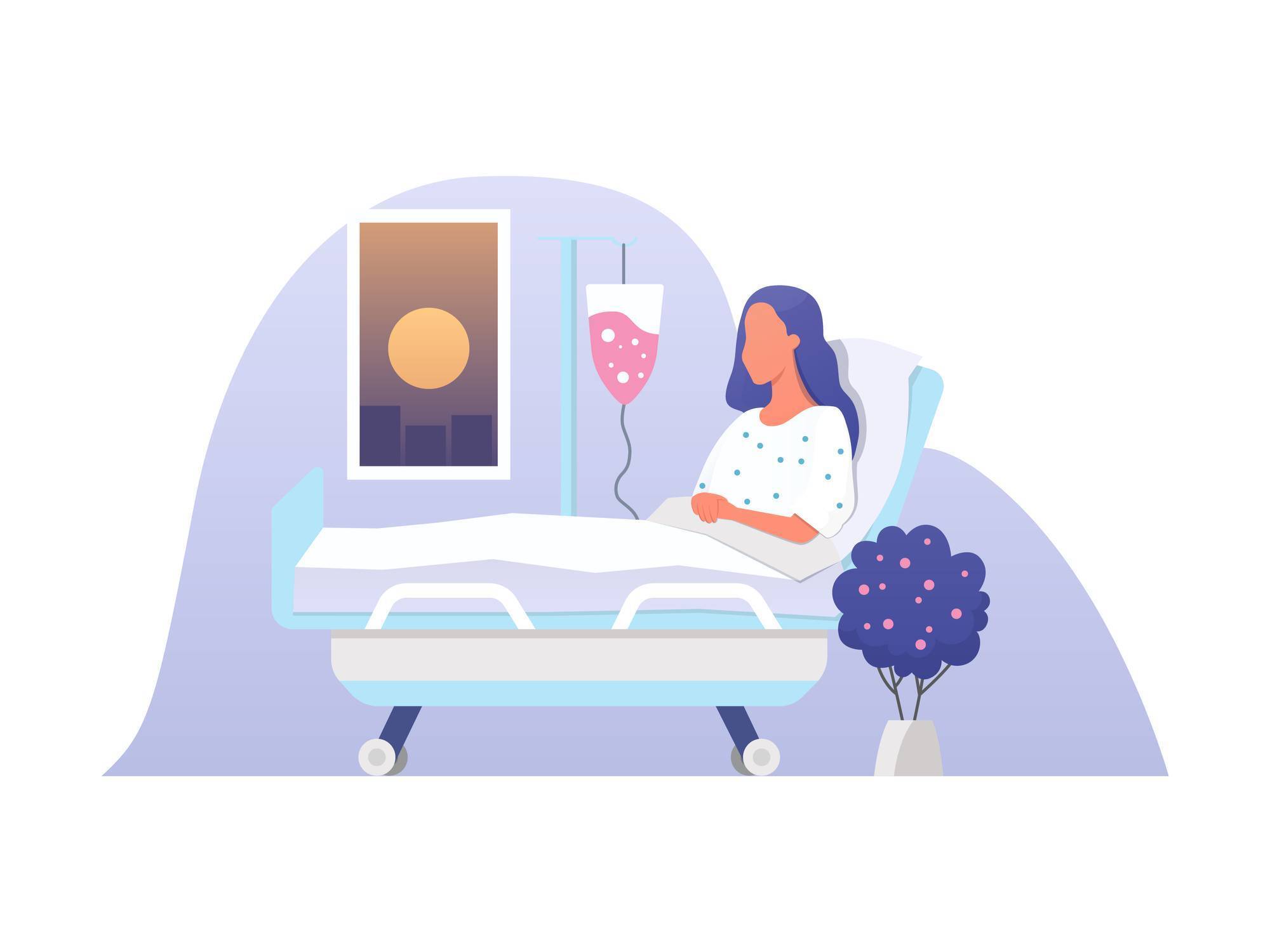
A short spell in hospital if you’re not writhing in agony is like being on a plane. You get handed food, you carry no responsibility, people are pleasant to you, and back at the office everybody else fills in. Teams of doctors, wheeling their own tall computer desk, ask me questions. Porters take me to scans.
My bed is beside a radiator the size of a boardroom table, with one setting only: Boil-the-bejasus-out-of-you hot. Now and again I climb out of bed to get to an open window, then realise I am attached to an IV, and not one of those you can take with you like a vertical bark-free dog. This I repeatedly forget. If I’m lucky, I stop before I set the machine off, but sometimes I’m unlucky, and find myself dealing with a gently reproachful nurse.
After an EEG I come back and sit on my glasses. David, the porter, not only fixes them with the help of Colm, the other porter, plus a nurse from Louth with the tiny fingers the repair requires, but makes a present to me of the pen gadget deployed. I would never generalise but hospital porters, generally, are brilliant.
Neuro Doc arrives with a form to test my memory. I draw a clock and identify a dromedary. This seems to impress her, so I don’t let on that the only reason I know is training my family 50 years ago to win a radio quiz called Joe Linnane’s Family Question Time. Quiz books were big on the one-humped camel being a dromedary and that stuck. She asks me to list words beginning with F in 60 seconds. I spiel them off with desperation, not even pausing to admire “fissiparous” when it falls out of my mouth. Fissiparous? I get the impression I pass. Next up, an epilepsy expert, who announces that I present them with three possibilities. First is that I’ve got viral encephalitis, in which case I get an anti-viral insinuated into me from a drip thing over 10 days, which means I would not be able to kick off the Polytech plastic surgeons conference in Lisbon.
I don’t throw a wobbler about this, but indicate that a serious wobbler is in my arsenal, just waiting to be thrown. Second possibility is that I have had a seizure. Third is that I’ve had transient global amnesia, which is as rare as being knocked unconscious by an obese butterfly and — in the nature of things —doesn’t tend to happen twice.
That last is the one I like best but the epilepsy guy says he’s pretty sure it’s a seizure. However, he wants to talk to someone who witnessed me losing it (he puts it more diplomatically than that).
I ring Ellen and hand the phone over. He questions her crisply and she’s like a garda in court: Answers the question and doesn’t get flowery. He hands back the phone and says she’s blown his thesis. What I’ve had is an obese butterfly assault. They call it a TGA. But they’ll have to be sure, so more tests.
I tell Neuro Doc that whatever’s happened to me has improved my mood. I am tolerant, witty, good-humoured, flexible in the face of challenge, amiable in response to the failures of others. Not saying this is a complete personality change, but close. I thought she’d be delighted, but she seems to link this to my swearing — which she has noted — as twinned negatives.
I fight the urge to suggest that having your memory fall out kind of justifies the F word and I concentrate instead on being properly grown-up unhappy about my condition. She looks serious and departs with her two companions and their floating desk. One of my fellow patients — the one who got a killer headache after playing a record-breaking game of bridge — sympathises with me on not getting out. It takes me a minute to realise how she knows: GDPR doesn’t happen in here.
Doctors arrive, pull the curtain around your bed to convey privacy, and then at the top of their voices discuss your craziness, drug-taking, promiscuity, or falling-out-the-window behaviour, so everybody in ward 4 shares everybody else’s problems. When you add half of the patients talking in their sleep, it’s much more exciting than a TV soap opera.
Neuro Doc comes back. I don’t smile, having earlier lost marks for being euphoric. “I have very good news for you,” she announces. The radiologist examined the tests and has found me innocent. I can go home. I can’t hug Neuro Doc because of social distancing, but the urge is strong.
It feels like I’ve had a staycation with scans thrown in. Apart from being boiled in the bed and food that looks like it belongs on a 1950s Blackpool postcard, playing along while St James’s Hospital retrieve your brain is one of life’s great experiences.

CONNECT WITH US TODAY



Be the first to know the latest news and updates