Michael Moynihan: Act with personal responsibility to enable people with disabilities
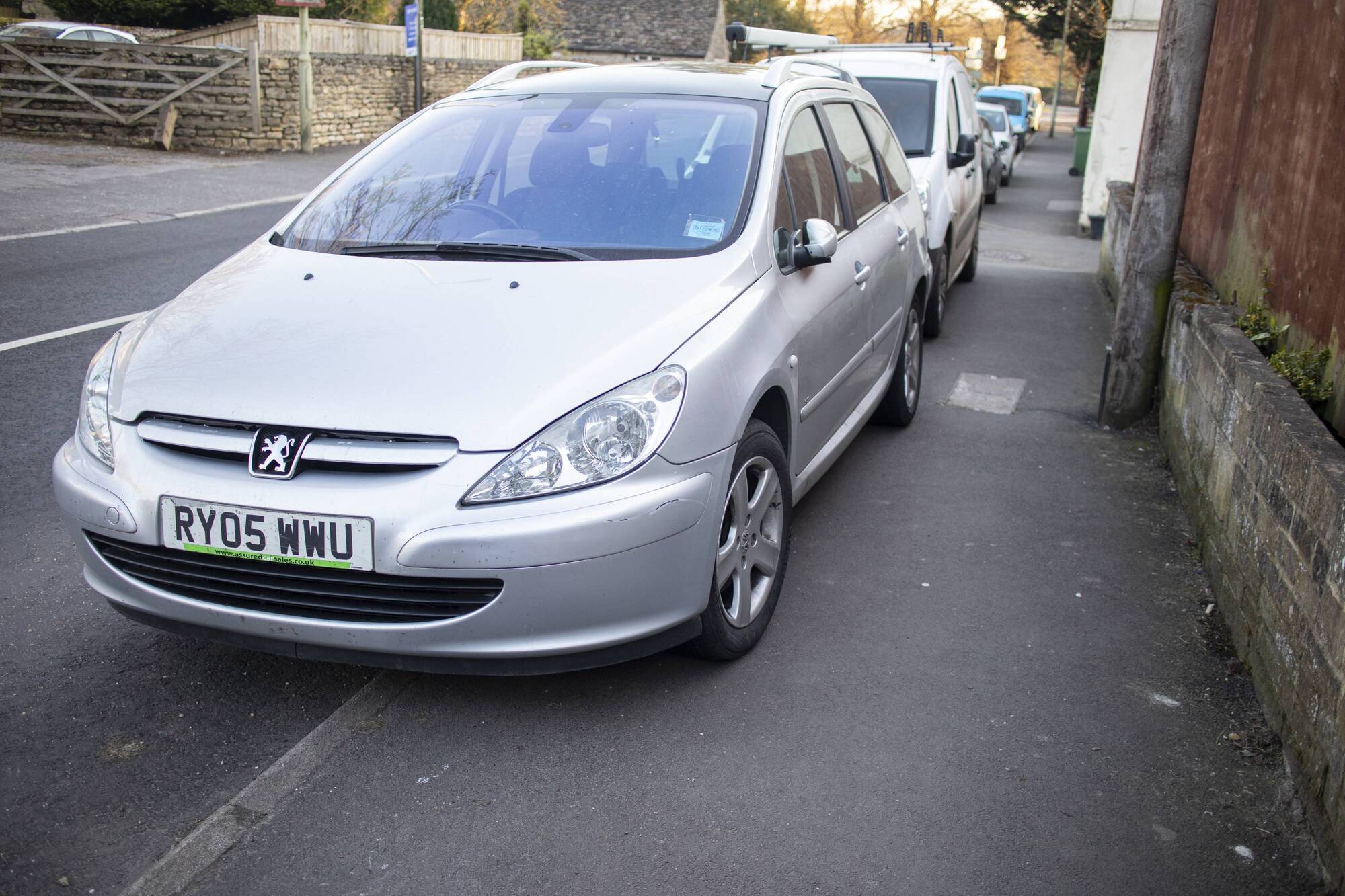
'Cars parked on footpaths are a huge issue, particularly for a person using a power wheelchair,' said Clare Cronin of the Disability Federation of Ireland. Picture: iStock

When I rang Clare, who works for the Disability Federation of Ireland (DFI), it was to chat about Make Way Day later this month. But I couldn’t resist sharing.
“The tone of our campaigns is friendly, and we’re appealing to people’s better nature,” said Clare.
“But we do have the support of the gardaí, which is very good because there are hard cases out there as well. As you saw.
“Remember, you’re talking about a big section of the population. Approximately 643,000 people — 13.4% cent of the population — have a disability.”
Make Way Day is on September 24 — more on that nearer the date — but in chatting to Clare about the challenges people with disability face in an urban environment, the conversation widened considerably.
She told me that in recent years the DFI found a certain uniformity in its feedback: “People with disabilities want to get out and about but they find they’re being confounded. Often by other people’s thoughtlessness.
“We’re not saying ‘you’re an awful person’, what we’re saying is ‘now you’re aware, so what’s your excuse?’.”
Exhibit A: With the schools going back readers have probably clocked that all over Cork the car sloped halfway across the footpath has returned as a feature of urban life.
“Cars parked on footpaths are a huge issue, particularly for a person using a power wheelchair,” said Clare. “Those are very large and can’t squeeze past a car that’s halfway across a footpath.
“They can’t come off the footpath in the wheelchair, and even if they can they’re often going into busy traffic, which is lethal. Or they run the risk of tipping out of the wheelchair altogether into the road.
There are less obvious hazards, she added: “Cars are number one, but bins are a problem for a lot of people because they’re a moving obstacle.
“On Monday there’s no bin, on Tuesday there’s a bin, and on Wednesday morning there’s still a bin, but it’s moved to another place on the footpath.

“That makes it harder for people to plan their routes. Other hazards include bicycles and sandwich boards — bicycles frequently fall over if they’re parked and that’s an issue on the footpath.
“For the last few months, even though we’re not going big on it at the moment, you have people dining outside restaurants, so street furniture is another challenge for someone with a mobility issue, or a woman with a buggy.”
Depending on your level of self-awareness you may be aware of the above.
What you may not be aware of — and what’s particularly interesting in our age of identity politics — is how often a person with a disability may be challenged about their circumstances.
“What you often hear is someone will just say ‘just ask me and I’ll move’, whether they’re in a seat outside a cafe or they’ve parked their car across the footpath,” said Clare.
“But that’s putting the onus on the person with the disability to speak up, to act. As an example of how that works, we’re finding that people with disabilities have a particular issue in housing estates where there’s room for just one car in a driveway.
“One boy, a teenager, was routinely going the long way around his estate as a result, and his mother went around to ring on those doorbells and make the appeal to people.
“That’s what I mean when I say we’re putting the onus on people with disabilities, or their parents or carers, to act when it’s other people who need to address their behaviour.
“And that often becomes a situation where the person with a disability has to explain themselves, which becomes a whole other issue with people who have an invisible disability.”
Clare went on to instance a case in Cork of a woman whose only visible issue was a slight limp: “But she also had poor spatial awareness, so situations that weren’t an issue for others were often troublesome for her. That meant she often had to explain herself.
“People saying ‘what’s wrong with where my car is, just step around it’.
“Now, the fact that some people will ask another person ‘what’s wrong with you?’ is something I’d find stunning, but apparently they do.”
No arguments here. The notion that people feel entitled to details of someone’s medical situation as a reason to stop acting the cábóg is a neat summary of where we are as a species, though.
Clare spelt out other situations which may give readers pause.
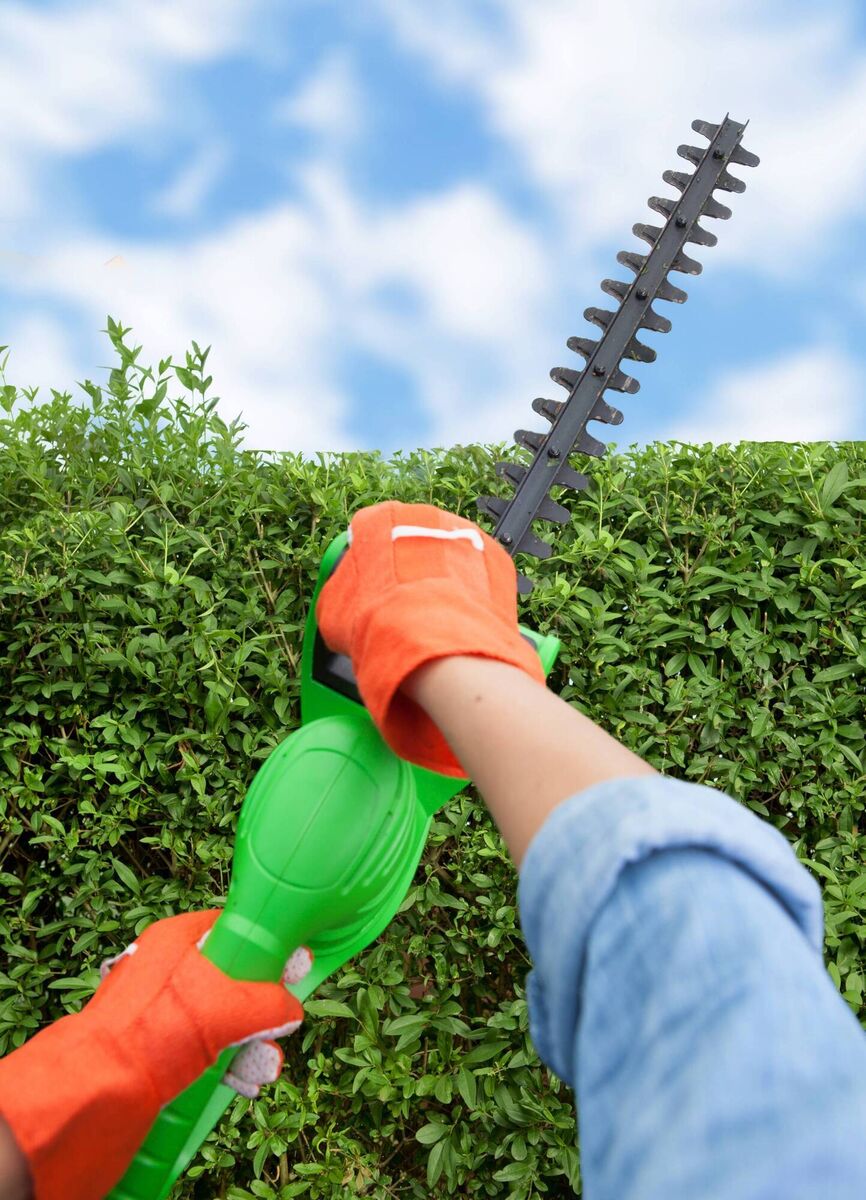
“For people with a visual impairment, something as simple as an overgrown hedge hanging out over a footpath can be a problem, with branches scratching the face.
“Access to polling booths is another case where the authorities often respond with ‘sure have a word with us and we’ll lift you in through the back door’. In other words, they’ll make special arrangements.
“What we want is equality. ‘Special treatment’ isn’t appropriate, because by definition it’s not equal.”
There are promising signs. Clare tells me the reaction from the general public to Make Way Day is very supportive, while it’s also pushed several local authorities into action: “They’ve set up regular meetings with activists and they go around their local area with a checklist.
“That’s good, obviously, and there are certain things that local authorities can do that individuals or other organisations can’t do — dipping pavements, for instance.
“But that doesn’t absolve people of their own responsibility. In our campaigns, and on Make Way Day in particular, our point is ‘this is about you’ — it’s not about whatever organisation is working in the area, it’s about what you can do, starting right now.
“It’s a case of just being aware that there are people who have issues even if you don’t. And those people have important things to do, just like you.”
Personal responsibility, that’s the key. Even if you’re in a rush for your coffee and pastry on Washington Street.
For more see: makewayday.com

CONNECT WITH US TODAY



Be the first to know the latest news and updates