Noel Cunniffe: Wind powerless if grid is not upgraded

Noel Cunniffe is the acting CEO of Wind Energy Ireland.
The Government has set an ambitious target to provide 70% of our electricity from renewable energy by 2030, but it cannot be achieved with today’s electricity system.
It is not widely known outside of Ireland’s energy industry, but we are a leader in the fight against climate change in two important respects.
No other country — anywhere — gets as much of their electricity from onshore wind as we do in Ireland; around 38% of demand last year, and this is only possible because EirGrid and ESB Networks are world leaders in the integration of renewable energy onto our electricity grid.
These achievements save millions of tonnes of CO2 emissions every year, strengthen our energy security by reducing our reliance on expensive imported fossil fuels and create jobs at home.
But, the increased deployment of onshore wind and the planned development of new solar farms and offshore wind farms means we have reached a point where our current electricity grid can no longer do what we need it to do.
Every time we lose renewable power like that fossil fuel generators are switched on, driving up our CO2 emissions and driving up the price of electricity for families and businesses across Ireland.
But it poses an even more significant long-term risk, because if we continue to see levels of lost power like this, costing consumers tens of millions of euro every year, it means renewable projects will not be built.
There are already wind farms in the west of Ireland with full planning permission, ready to go, but no plans to start construction because the transmission system there is not strong enough to get power from where it is generated to where it is needed.
We know that the electricity grid on Ireland’s east coast can only take another 1.5-2 gigawatts (GW) of renewable energy without significant upgrades, yet the Government’s ambition is for 5 GW of offshore wind energy by the end of the decade, most of which is to be on the east coast.
If the grid is not strong enough to take the power from the wind farms, our members will not be building them. We will not build turbines to stand idle in some of the world’s best wind conditions.
We know we have the pipeline of projects, on and offshore, to deliver. Now we need an electricity grid that is fit for purpose.
That is why, for anyone with an interest in Ireland’s energy future or in tackling climate change, there is no more important debate happening right now than the one started by EirGrid’s ‘Shaping Our Electricity Future’ consultation.
This gives everyone in this country an opportunity to have their say on how we develop our electricity grid
over the next 10 years.
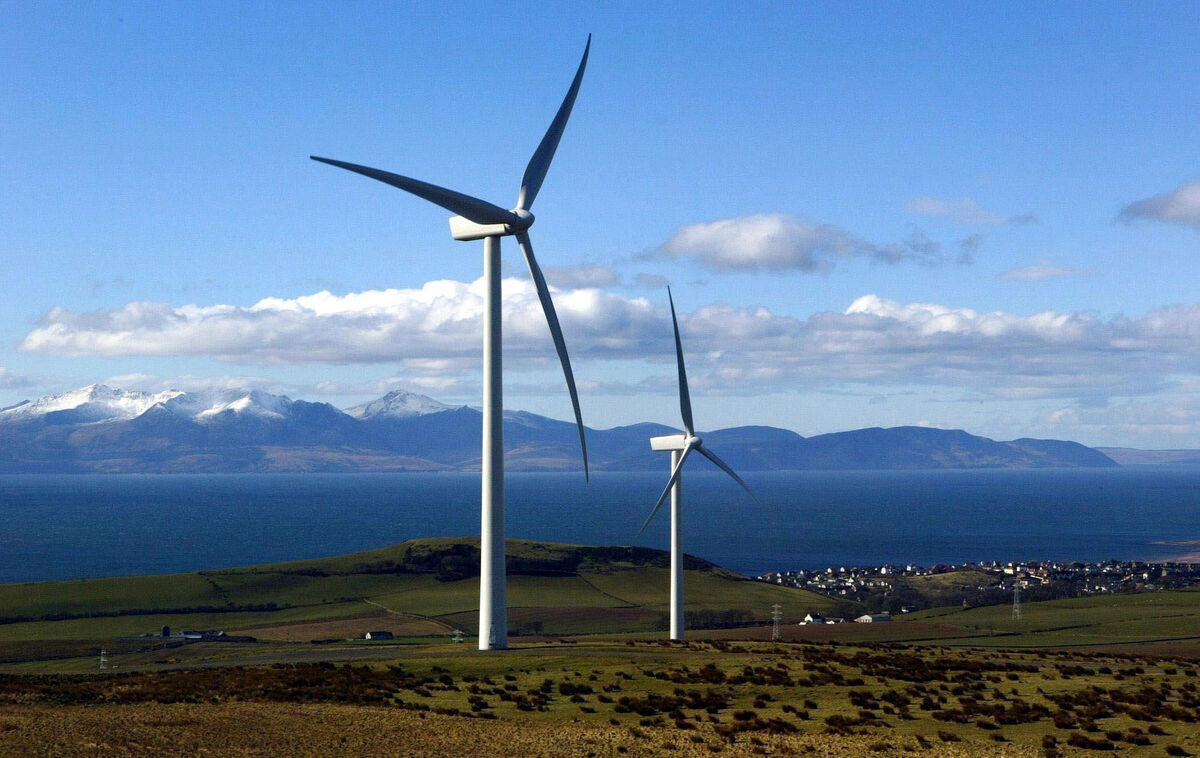
We cannot decarbonise Ireland without first decarbonising our electricity system. And we cannot cut the CO2 emissions in our electricity system without a much stronger grid.
We need a complete redesign and reinforcement of the transmission system, with a particular focus on parts of the country where large volumes of renewable energy will be developed.
An electricity grid and a market designed for fossil fuel generators are not suitable for a future where most of our electricity comes from renewables. We must reform the market to ensure our new system is efficient and cost-effective.
Developing the electricity grid will not be easy. We must work with communities who will be hosting new wind farms or new grid infrastructure. We must ensure they are empowered to be part of our energy transition and we must find ways to adapt, where we can, to meet their concerns.
We must accept we do not have all the answers and listen to those who know their land and their community the best – the people who live there — and to the solutions they bring forward. We must also try to maximise the use of the existing electricity grid, which will help to reduce the need for new infrastructure.
It is disappointing, therefore, to see the commitment in the 2019 Climate Action Plan to facilitate what are called ‘hybrid connections’, where multiple wind or solar farms can use the same grid connections, has been dropped from the new plan. It must be urgently reinstated.
But, the reality is we will not decarbonise our electricity system without new overhead lines, new underground cables, new substations, new battery projects, new wind farms and new solar farms. Once the consultation is concluded and a solution is identified to strengthen our grid, we must – all of us – come in behind it.
If we succeed, as we work towards a net-zero society by 2050, we can build an Ireland that is energy independent, delivering warmer homes, cleaner air and tens of thousands of new jobs.
Delivering this future will require leadership and political courage. And it will not happen unless we bring people with us, showing them the benefits of a truly just transition.
- Noel Cunniffe is acting CEO of Wind Energy Ireland.