Clodagh Finn: We need more Josie Aireys to challenge the legal system
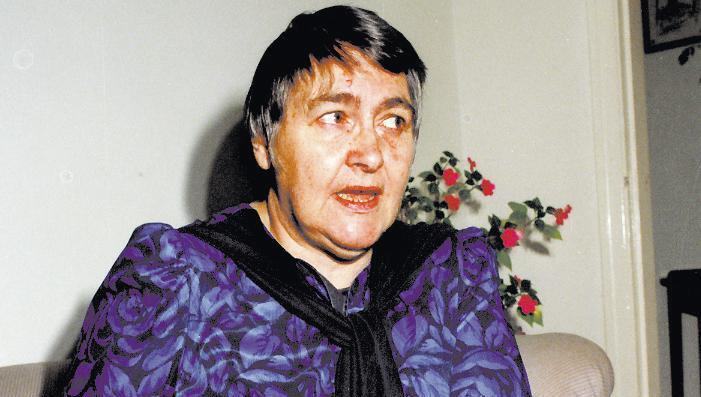
Josie Airey: she would probably find it utterly depressing that so many Irish people are still forced to fight to secure a right to some form of justice.

If she were still alive, Josie Airey, the Cork hospital cleaner, poet, and legal aid campaigner who went all the way to the European Court of Human Rights to secure civil legal aid in Ireland, would be celebrating her 89th birthday on May 4. I wonder what she would make of the protest by the Stardust Justice Campaign outside Leinster House on Monday?
Five decades after her seven-year fight to secure a legal separation from the husband she described as abusive, she would probably find it utterly depressing that so many Irish people are still forced to engage in what amounts to a gladiatorial battle to secure a right, access to the courts or some form of justice.
When it comes to gruelling combat, the survivors and families of the Stardust fire disaster have had to endure more than most. They are victims but they say their long struggle for justice has made them look like criminals at worst, beggars at best. That is not rhetoric but the sad and scandalous truth.
They have been failed, again and again, ever since the day the grandstanding then-taoiseach Charles Haughey tracked an evidence-destroying path through the nightclub’s burnt-out shell, camera in tow, and promised to get to the bottom of this.
Now, almost half a century later, we are still no further along. As Sinn Féin senator Lynn Boylan put it this week: “(The families) have waited 40 years for justice and now they’re being asked for PPS numbers, for bank statements, for payslips, they’re being asked what car they drive.”
This time, a row over legal aid — and who qualifies for it — is holding up the long-awaited inquest into the fire in an Artane nightclub on Valentine’s night, 1981, that claimed the lives of 48 people.
The Department of Justice had been urged not to take the legal aid route as relatives feared they would again find themselves waiting for a change in legal aid regulations before the inquest went ahead. And they were right.
Why does it continue to be so difficult to get justice in this country?
Well, we might ask because if Josie Airey, the woman who made legal history in 1979, tried to get legal aid today she might not get it.
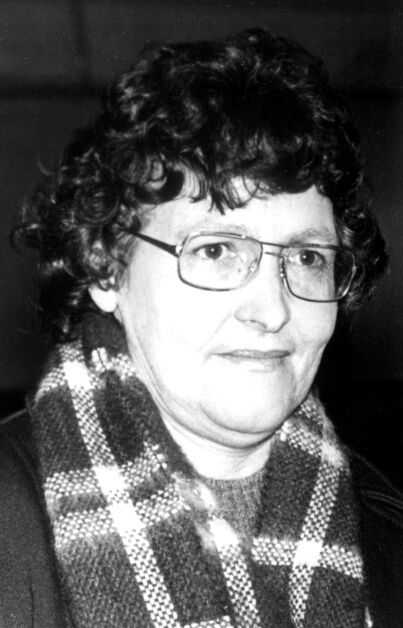
As Eilis Barry, chief executive of FLAC (Free Legal Advice Centres), points out, there are still significant gaps in a system in urgent need of reform. For instance, she says, it is not clear that Josie Airey would qualify if she had to apply today as no one earning over €18,000 per year would qualify for legal aid.
That strict means test is now delaying the Stardust inquest, but it is also affecting many, many more who fall between two stools: They don’t qualify for legal aid but they cannot afford a lawyer.
When FLAC marked the 40th anniversary of Josie Airey’s case in October 2019, the organisation highlighted that gap and said more Josie Aireys were needed to challenge and improve Ireland’s legal system.
At the time, and several times since, Chief Justice Frank Clarke called for investment in a broader and deeper legal aid scheme.
At least now the Department of Justice has committed to a review in the autumn but it will have to be a root and branch review that addresses the real blocks to access to justice.
For one thing, as Eilis Barry puts it so starkly, “you should not have to be brave and resilient to be able to find out what you are entitled to in crucial areas of your life".
But as we have seen in countless cases, it seems you have to be a warrior to secure your rights and entitlements or any form of restorative justice.
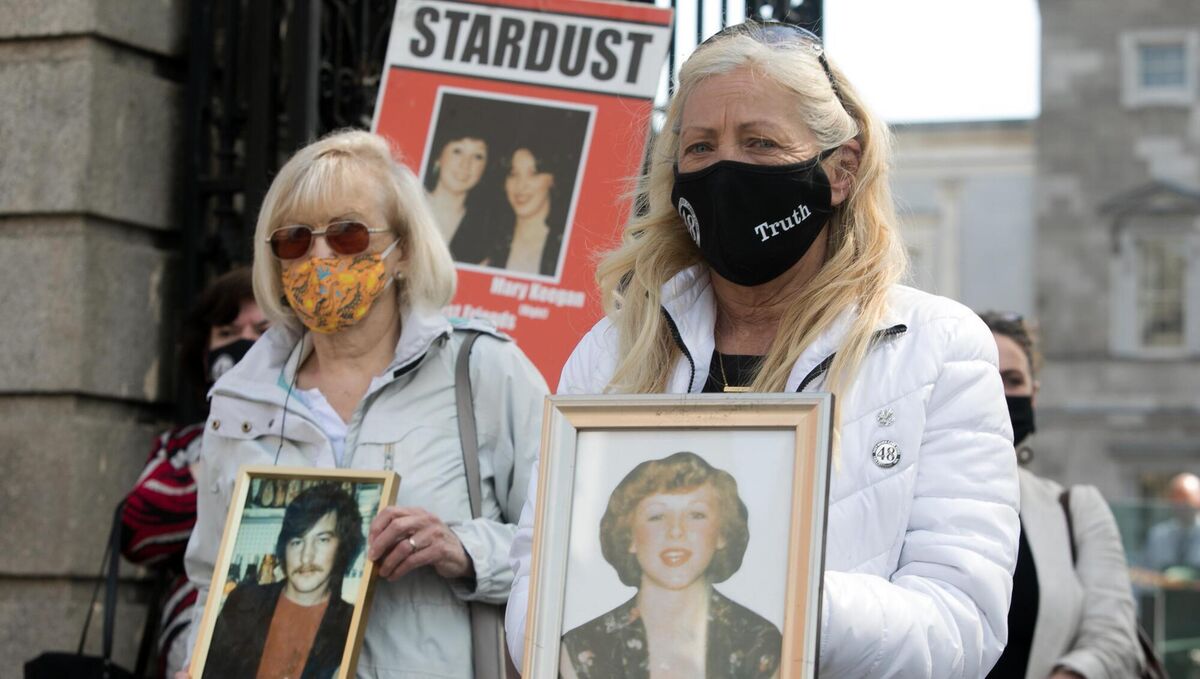
Samantha Mangan’s words on Monday were a potent reminder of that. Her mother, Helena, died in the Stardust nightclub when she was just four years old, yet her fight goes on. “Throwing my kids off to school this morning, they asked, ‘Where are you going Mam?’ I told them ‘I’m going to protest outside Leinster House because I still can’t get justice for my Mammy’.”
It is unconscionable that she, and others affected by the Stardust tragedy, are still literally fighting for the justice that should follow as a matter of course. But then it seems that ‘battle’ and 'justice' are words that too often appear together when an Irish citizen seeks to right a wrong.
Recall Lydia Foy. She and her FLAC legal team fought a 20-year battle — and that is the right word — before she won her case for gender recognition.
Sadly, little — or, at the very least, not enough — has changed since Josie Airey took on the State to win the right to legally separate from her husband who, in 1972, was fined for assaulting her.
It is worth recalling, too, that the only person to publicly support her at the time was Eileen Desmond of Labour and Dublin solicitor Brendan Walsh with barrister and then-senator Mary Robinson. Her letters to Cardinal William Conway, taoiseach Jack Lynch, Dr Garret FitzGerald, and TDs in the three main parties were all answered with polite replies but no offer of help.
According to her obituary in 2002, one Cork TD even told her to “shag off”, although he later apologised.
She wrote to the European Court of Human Rights herself because she had read about its involvement in another case, but it was a long, lonely fight. “I can’t describe the years of loneliness and desperation as I met blank wall after blank wall, but I’m feeling a bit better now,” she told the shortly before winning her case.
Some 42 years after one of the most important decisions on access to civil legal aid not just in Ireland but internationally, there are many others who still feel exactly like that, though sadly without the relief of “feeling a bit better now”. The recent contribution from Tuam mother and babies home survivor Peter Mulryan to an Oireachtas committee discussing the Burials Bill still haunts.
He doesn’t know what happened to his sister: “Every time I go to bed at night I think of her. Why am I left this way? Is she dead or alive? I do not know. The information I got is so scant. It’s unbelievable they would do it to a human being.”
His words are a powerful illustration of how the law — or the lack of it, in this case — reaches down into the granular everyday.
The State has been forced to begin to address the enduring shame of our mother and baby institutions but that would not have come about without the brave, unrelenting, and selfless work of individuals: Historians, campaigners, lawyers, modern-day Josie Aireys.
We certainly need more people like them but a functioning modern democracy should not have to depend on the valour and fearlessness of its citizens to hold the State and its legal system to account.
CONNECT WITH US TODAY



Be the first to know the latest news and updates