Joyce Fegan: When parenthood and a pandemic collide
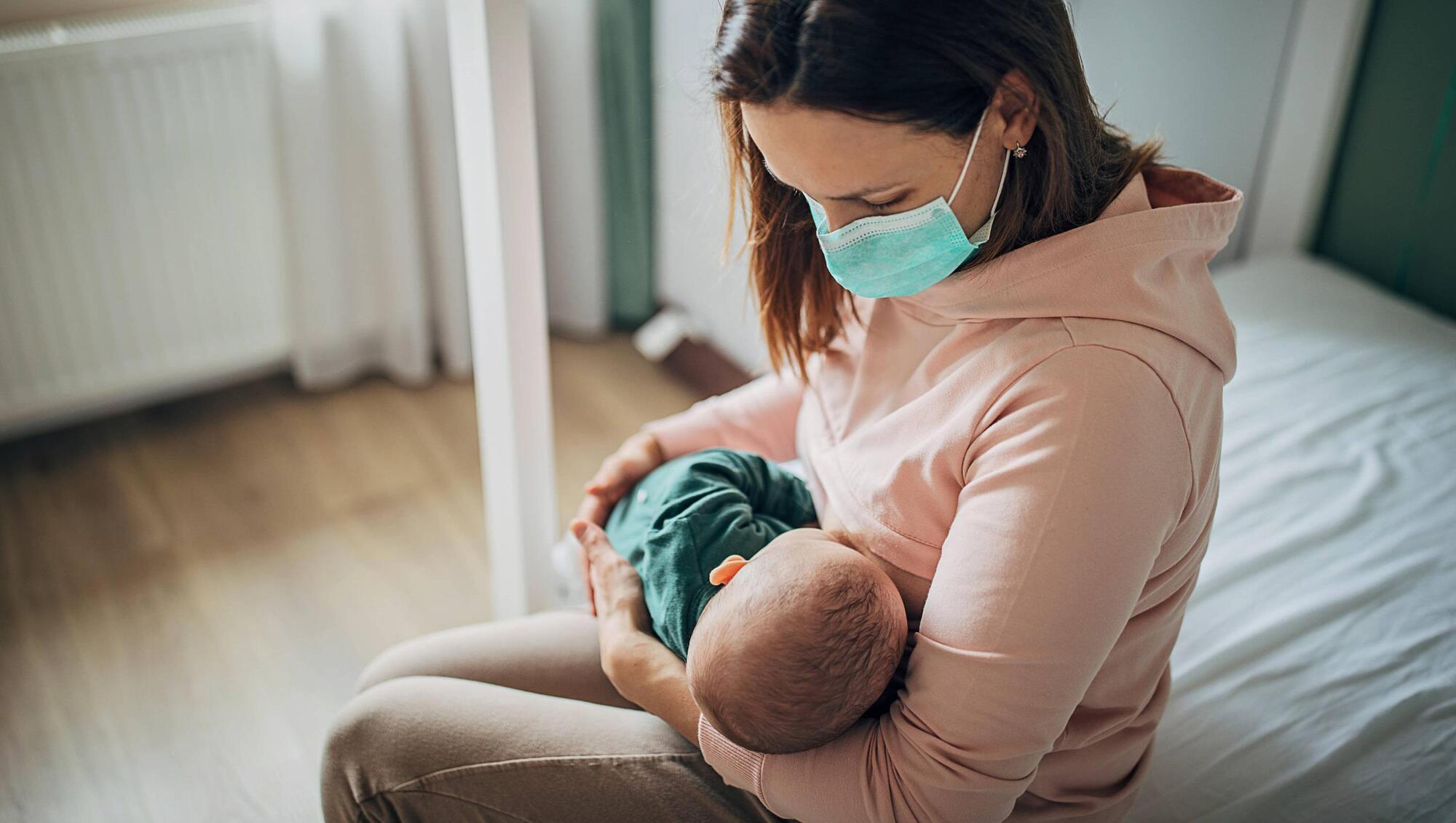
It might sound smooth in hindsight but the feet-finding, as all parents young and old will attest, was a doubt-filled high-stakes rollercoaster of trial and error

High on oxytocin and woozy from a little too much blood loss, I lean over to my husband and say: “Let’s take her to London to see in July.” It feels ecstatic saying it. And I feel delirious saying it. But the plan felt real and exciting and it summed up how I hoped to parent, with a full and daring heart.
That was this time last year.
In the proceeding 12 months, my daughter and I have done significant mileage together — the iPhone clocks it at around 2,500km. There were a lot of buggy-naps. Pandemic parenting meant you could break all the so-called rules. “Having a good routine” wasn’t a mandate for parents of 2020 babies.
Instead of a day trip to London, we have done the equivalent of a road trip from Paris to the Ukraine in kilometres walked. The same road trip, in our 5k, albeit. We live near the sea, the wind and the waves have been her lifelong soundscape, her white noise — as well as Bruce Springsteen’s ‘Waitin on a Sunny Day.’ Some babies fall off to David Gray’s , not this baby.
One of my fears of parenthood was the confinement, the domesticity, the pushing of the buggy along the pavements grey. All those states were realised, but not as fears. The peace of it all is what has been ecstatic. The sameness. The same faces. The regulation that comes from the regulations. The rhythm that comes from routine. The same 5k route.
We wake (she was born coming into the clock springing forward, so the sleepless, or wakeful nights, merged with the orange-skied early mornings), we feed, we change, we walk, we sleep. We repeat. It might sound smooth in hindsight but the feet-finding, as all parents young and old will attest, was a doubt-filled high-stakes rollercoaster of trial and error.
Is this normal? Is that normal? Is it normal that she’s feeding every hour? Is she doing enough tummy time? Should she be feeding for more than five minutes at a time? How can I get her to take a bottle? She won’t take a dodie. Could she be teething at four months? Should she still be waking every two hours? Is it colic or is it reflux? Maybe she’s overtired? Why am I finding this so hard? The questions are as abundant as the answers.
But we found our feet in time, with special thanks to reassuring phone calls from mothers and fathers and brother and sister-in-laws cum best friends, and everyone in between. Even colleagues unknowingly helped.
Some people watch the grass grow or the cars go by. We watched the ships. There were container ships mostly, full when their bow faced north and empty when they were heading south. We got the app to track their movements. There were no airplanes, and few cars. She was born into so much silence that she could hear the birds sing.
“It must be so hard,” friends would say. “What?” I’d ask. “Becoming a parent in this,” they’d answer.
Both “this” and parenthood, were new to us, mutually inclusive.
Pre-pandemic, two practically-minded friends warned: “Prepare for the post-partum period”. A 71-year-old friend advised: “go to all the baby groups.”
“All? Really?”
“Yes, you’ll need all the company,” she explained.
I had taken some of the advice on board and bought maternity pads and a book about the first 40 days. I hadn’t gotten as far as investigating local baby groups. No need in the end. The village went virtual and we both could work from home.
While some new parents are fuelled by caffeine, we were fuelled by WhatsApp voice notes. Friends, who had gone before me, filled my ears with honest tellings of their early days of parenthood. Friends, who were going through it with me, filled my ears with empathy.
It was a remedy of honest disclosures followed by reassurance.
There were podcasts too.
And there was post. Envelopes stuffed with knitted garments from doting grandaunts, and an Easter card stuffed with cash, from a great grandmother whom she would unfortunately never meet.
There were strangers and their knowing smile. After many, many meetings on the 5k loop the smile moved into easy conversation: “How old is she now?”
She is exactly 1, now.
For some there were huge events that went unmarked, uncelebrated, big birthdays, retirements after decades of service. There were missed, never to be regained, rites of passage.
In normal time, there are events when we receive special care, or when we pay special attention to people; those who are sick or in surgery, or in treatment, those who are pregnant or newborn, those who are moving house, those who are marrying, those who are dying.
But we are all in a special time now. At the start of this, we marked out those who had to get married in a pandemic, or who had their 80th birthday party over Zoom.
But as the time went by, there is now no longer one of us who hasn’t suffered, or lost something, be that time, especially time.
Suffering isn’t exclusive. Being a single 29-year-old living and working alone in Meath all day long is hard. So is managing a busy household while homeschooling. So is waiting on permanent accommodation. So is trying to get away from a controlling abuser. So is dying alone. Suffering isn’t exclusive, it’s relative.
On my balance sheet, the gain has been significant, because of the time “this” has afforded us as parents. There was so little outside noise about how she, or we should be, so we were all able to just be.
There was, of course, loss for others, loving grandparents who have to take FaceTime as a paltry substitute for knee-bouncing tickles and cuddles.
And for new parents now, whose pandemic pregnancies moved into parenthood in lockdown, with no supports for the doubts, worries or isolation forthcoming.
We were never meant to do any of this alone. Not pregnancy, not parenting, not dying, especially not dying or grieving.
When the vaccines are rolled out and our heightened senses start to drop, grieving will be our gathering.
Tell me what you lost. Listen. Be listened to.
Tell me what you gained.
And tell me what you don’t want to lose again.

CONNECT WITH US TODAY



Be the first to know the latest news and updates