Michael Moynihan: 11 signs Cork City may or may not succeed
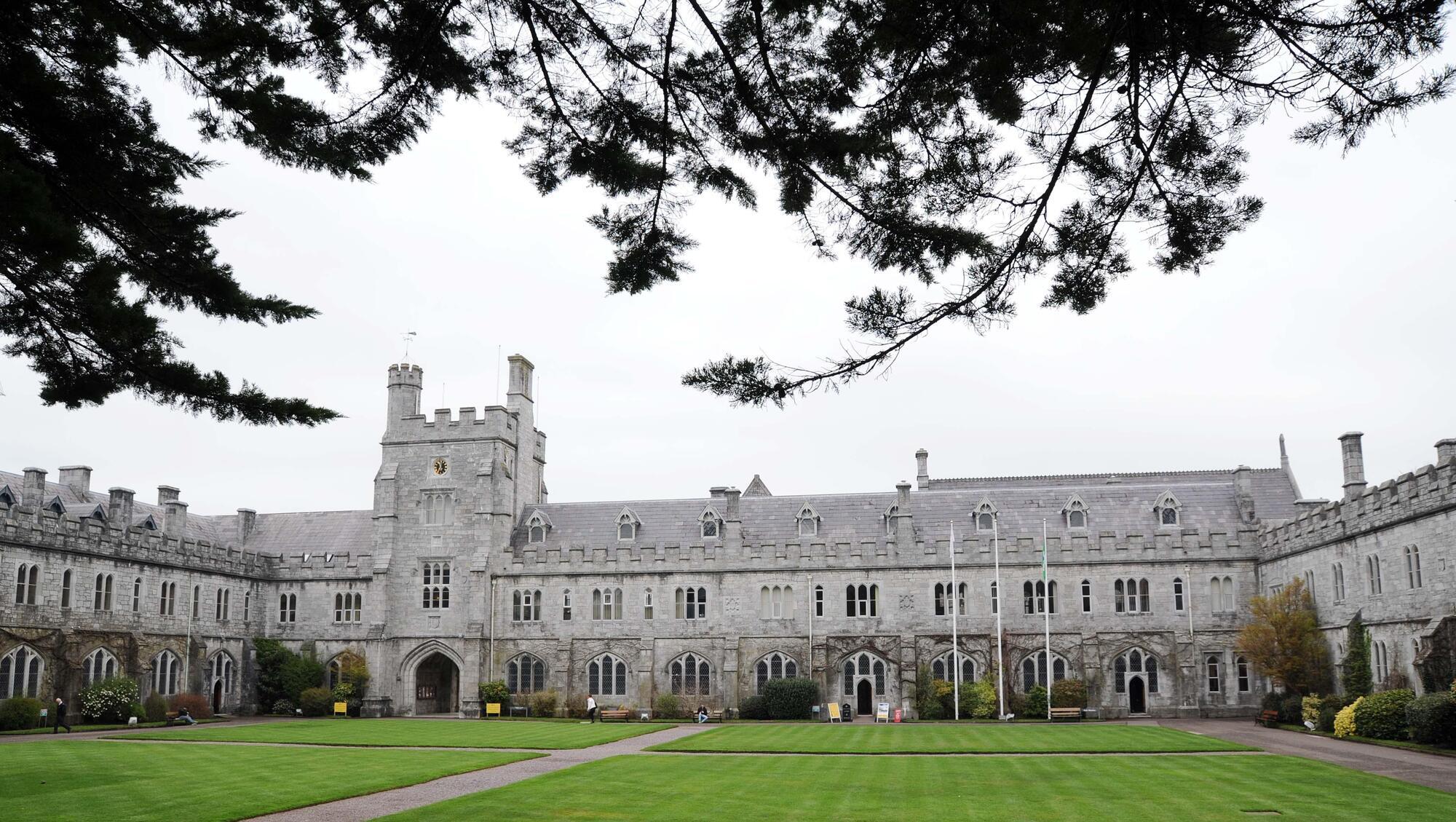
Cork is lucky when it comes to research institutions — it has UCC and CIT, as well as the Tyndall.

A couple of weeks ago in this spot, I referred to by James and Deborah Fallows. It chronicles the two authors’ experiences visiting towns and cities across the States, a journey undertaken in their small two-seater plane.
The pair evaluated how those towns and cities were coping, and at the end of the book they listed the signs which indicate to them whether a city will succeed or not.
Frankly, if that was not an invitation to apply those signs to Cork then nothing is.
Not all the signs can be applied equally, of course. For one thing, the level of autonomy at local level varies widely in the US, but many cities and towns still have far more independence in terms of spending local taxes than towns and cities here.
The Fallows’ number one sign is this: divisive national politics seem a distant concern.
That probably is not as applicable in Cork as in Columbus, Ohio, but one element of the sign is telling: “The more often national politics came into local discussions, the worse shape the town was in.”
By that metric, the focus on local issues is a good sign on Leeside.
Sign number two is a challenge: “You can pick out the local patriots.”
One of the couple’s first questions on landing anywhere is: “Who makes this town go?”
Whether it’s “a mayor or a city-council member . . . a local business titan or real-estate developer . . . a university president or professor, a civic activist, an artist, a saloon-keeper, a historian, or a radio personality. . . What mattered was that the question had an answer. And the more quickly it was provided, the better shape the town was in.”
Can we name the local patriots in Cork? More to the point, can we do so quickly?
Sign three. “Public-private partnerships are real.”
Again, the particular circumstances may not align completely, but in their travels they see imaginative co-operation (“In Fresno, California, a collaboration among the city, county, and state governments; local universities; and several tech start-ups trains high-school dropouts and other unemployed people in computer skills.”).
Can we point to large-scale multi-agency co-operation here on the same level?
Sign four: “People know the civic story.“
This was particularly interesting. Nobody ever accused Cork people of underselling Cork in its entirety, but it is fascinating to see how particular cities project a particular image: “For Sioux Falls, South Dakota, that it’s just the right size.
For Columbus, Ohio, which is several times larger than Sioux Falls, that it’s big enough to make anything possible; small enough to actually get things done.”
Sign five: “They have a downtown.”
Life in the downtown area is a key plus for the Fallowses: “ . . . downtown ambitions of any sort are a positive sign, and second-and third-floor apartments and condos over restaurants and stores with lights on at night suggest that the downtown has crossed a decisive threshold and will survive.”
Walking Patrick Street and environs at night is not quite as encouraging when viewed through this prism.
Sign six: “They are near a research university.”
This is a bigger challenge to small towns in America than it is to large cities here, and Cork is lucky. It has UCC and CIT, institutions which, in the words of our American wanderers: “ . . . have become the modern counterparts to a natural harbor or a river confluence. In the short term, they lift the economy by bringing in a student population. Over the longer term, they transform a town through the researchers and professors they attract.”
Cork is ahead of the pack here, particularly with institutions such as the Tyndall, which is right in the middle of the city.
This sign is allied to number seven: “They have, and care about, a community college.”
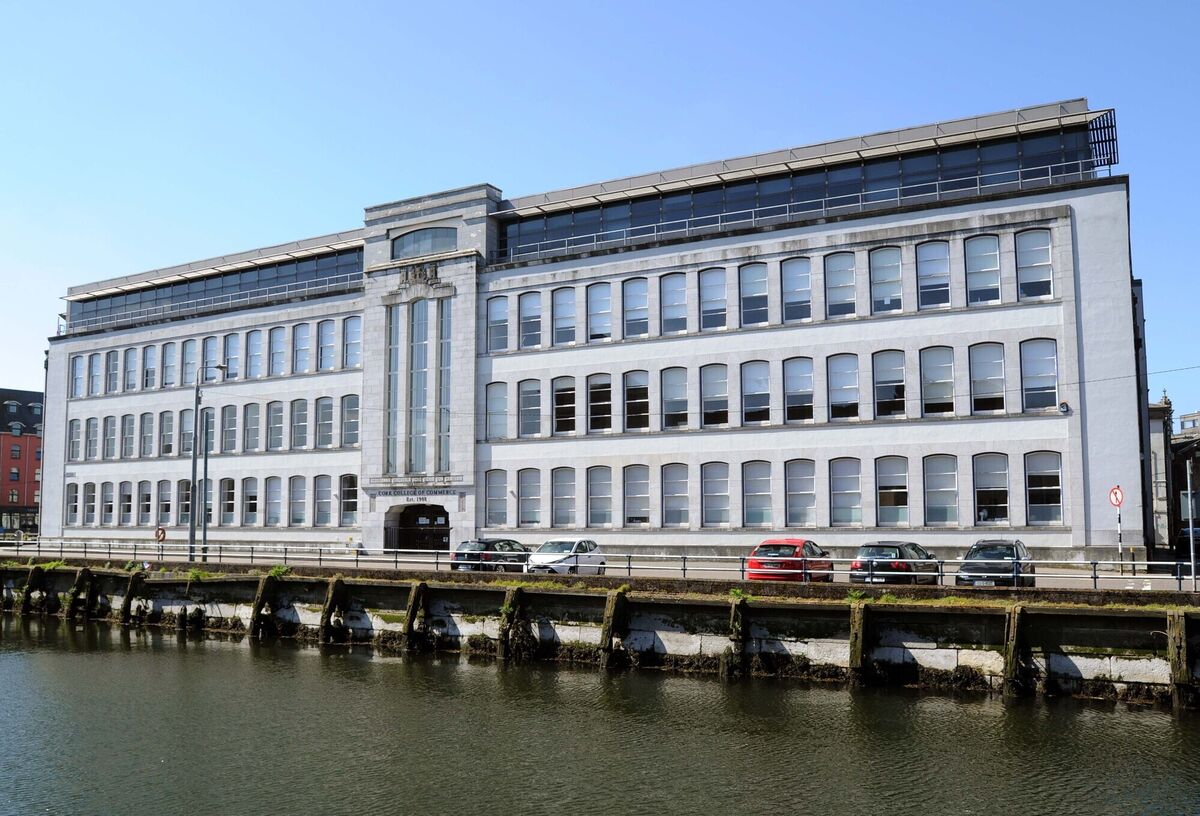
Exact equivalence may not work here, but institutions such as St John’s Central College, Cork College of Commerce, and Coláiste Stiofáin Naofa correspond roughly to the US community college model and offer variety to the post-primary educational experience. Another good sign for Cork.
A more challenging sign? Number eight: “They have unusual schools.”
Again, the relative independence of cities in America when it comes to educational policy makes this a tricky match. The Fallowses routinely asked, in a new town, for the “most distinctive school” to visit, and often ended at a groundbreaking school liaising with local industry or universities to improve the experience for students.
Can we say the same in Cork?
Sign number nine: “They make themselves open.”
The mayor of one South Carolina town asked the Fallowses “to listen for how many different languages we heard spoken on the street by business visitors.” For many smaller towns in America there’s a brain drain as bright youngsters head off to bigger cities. This is not as marked in Cork as it would be in smaller towns around the country, but just how open is the city to newcomers?
Sign number 10: “They have craft breweries.”
Hold up. There is more to this than a thirst for a hoppy IPA. The Fallowses make the point that brewing craft beer is a relatively manageable start-up option for people.
It is an activity that requires a lot of space for storage — for instance, the kind of space you would find in a derelict factory.
Selling the beer might mean renovating part of that derelict factory as a pub, so by definition people are drawn into a part of the city they are not used to visiting, thereby creating footfall.
Which brings me to sign number 11: “They have big plans.”
This is a good question to ask.
A natural consideration here would be the city’s connectivity to Limerick, for instance, and why that has not improved.
Or whether enough is being made of Cork’s riverscape. In their book, the Fallowses keep landing in cities which were not making the most of a river’s attractions until someone (see sign two, local patriots) realised that there was an environment that was not being exploited to its fullest.
However, taking advantage of that environment may require public-private buy-in (sign three) and convincing the locals that this is a positive step in the city’s story (see sign four), though it benefits the city in terms of activity (sign five) and footfall (sign 10).
I cheated a little. I moved the ‘big plans’ sign to the end, but with good reason — it shows the need for the themes under different signs to interact in order that a city succeeds.
Having read the book, I was surprised there was not a sign dedicated to the role of libraries in successful American cities — one library sends staff out to sign up babies in strollers as members long before they can even read — but it is a text you can explore for yourself and draw your own conclusions.
Or maybe Cork should get the Fallowses over to explore the city and draw their conclusions. If their two-seater plane is up to a transatlantic journey.
CONNECT WITH US TODAY



Be the first to know the latest news and updates