Louise O'Neill: How I improved my efforts to become more sustainable
says she doesn't remember anyone talking about global warming when she was a child
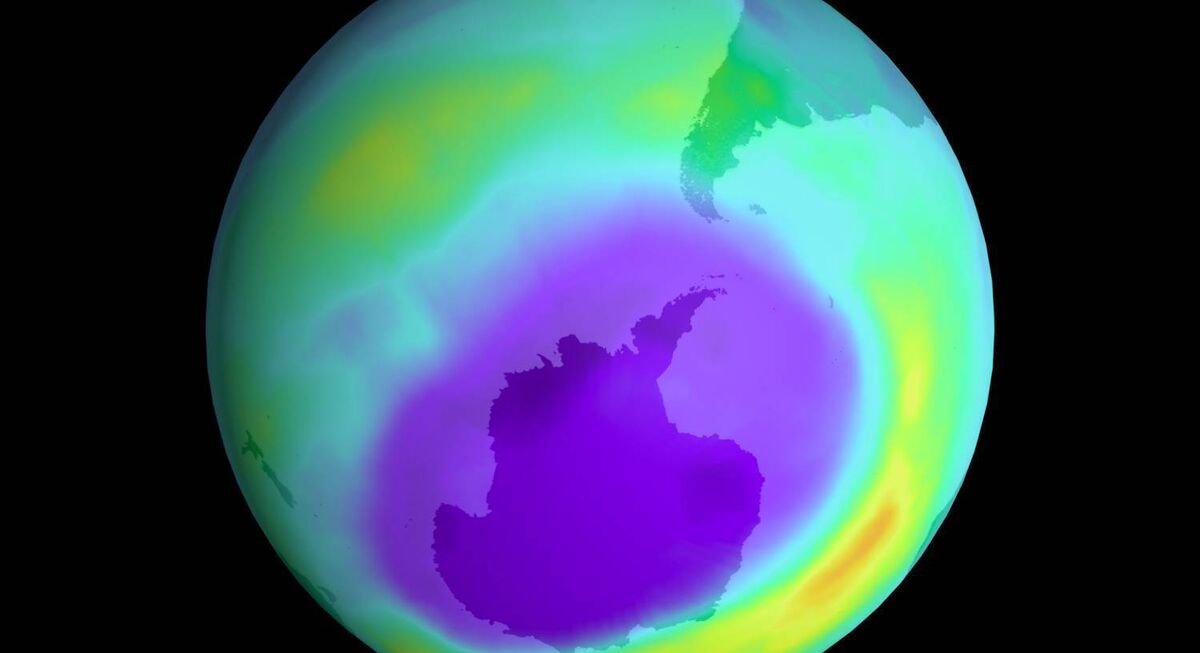
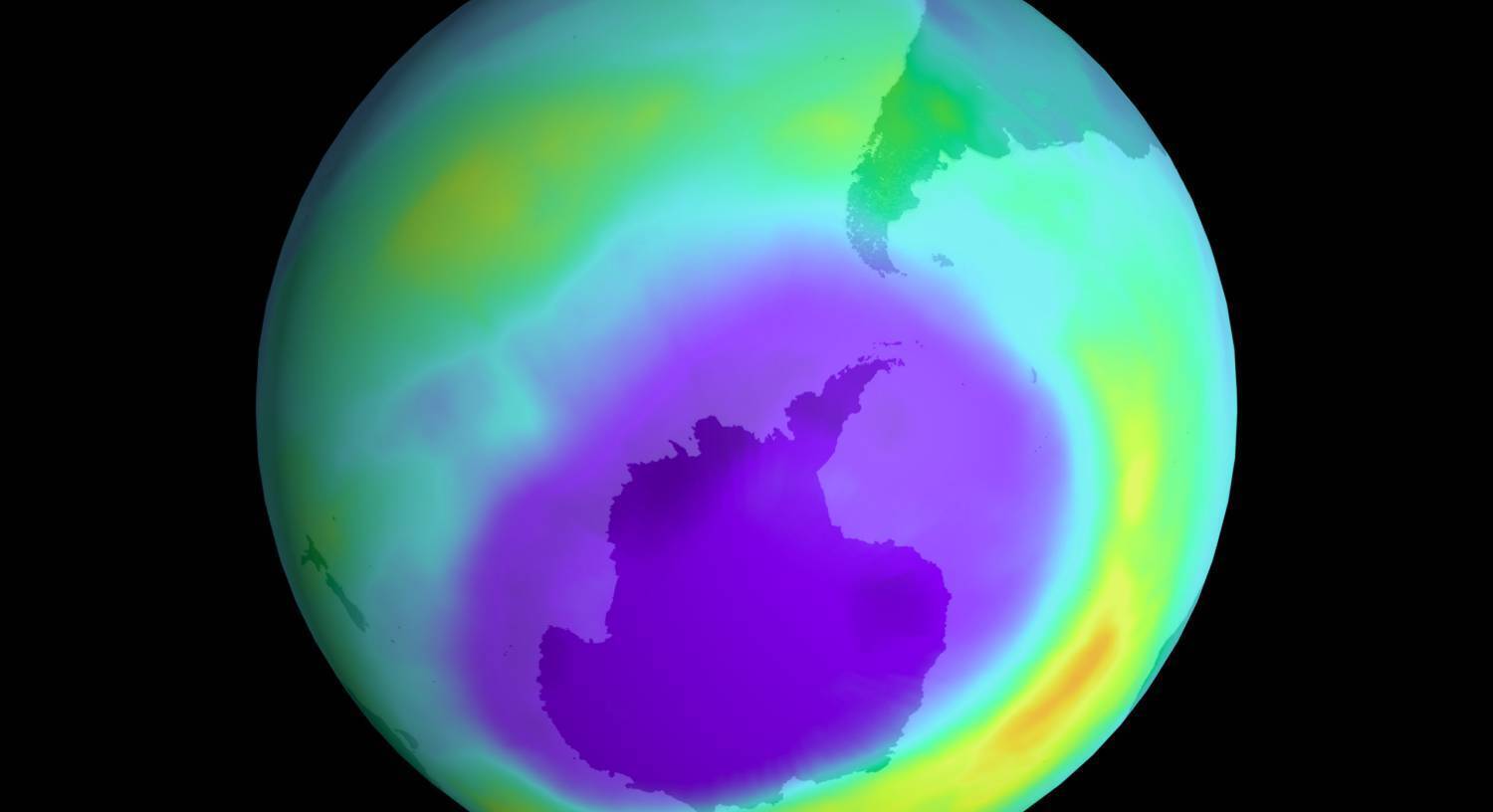
When I was a child, the hole in the Ozone layer was the environmental disaster that everyone was worried about. I remember lying on my back in our garden, staring at the sky, and imagining the sun’s rays slicing through the clouds, consuming everything in sight. We would be like ants caught under a magnifying glass, I thought, burning to death. CFCs, which were used in aerosol sprays like deodorant and hairspray, were found to be partly to blame, and so they were banned.
I don’t remember anyone talking about global warming, although of course there were scientists trying to warn us even then. My family brought all our bottles and jars to the bottle bank, and my father planted a tree every time he took a flight. But other than that, no one really talked about such things.
A substitute teacher in first year of secondary school, a Humanitarian aid worker with Concern who had just returned from South Sudan, said she’d given up eating a particular brand of biscuits because they came individually wrapped in foil and she couldn’t justify the waste. It was 1997 and we all half-sniggered at her. Anyone who said things like that in those days were hippies, the crusties who lived ‘off the land’ on Cool Mountain.
It didn’t seem like a matter of urgency.
I had read a book called This Place Has No Atmosphere by Paula Danziger, a young adult novel set in 2057 where the main character’s family settle in a colony on the moon, and I lazily presumed that a- things were unlikely to get that bad in my lifetime and b) if they did, surely they would have discovered another habitable planet in the meantime? While Paula Danziger did basically predict iPhones and smart watches, both of which seemed completely outlandish at the time of reading, the moon isn’t quite ready for residency just yet. As so many posters at Climate Change marches point out, “There is no Planet B”.
This issue has been impossible to ignore over the last number of years. Scientists have given us increasingly dire warnings, a 17-year-old girl from Sweden started a global movement, weather conditions have become more extreme – hurricanes and wild fires, droughts and floods – it has resembled nothing short of a biblical plague come to warn us of our impending doom. And so many of us are doing our best. I looked at my own life and tried to see where I could improve in my efforts to become more sustainable. I used to wear a lot of vintage and second-hand clothes in my twenties, not because of environmental reasons, but because I couldn’t afford anything else.
Now, I have really tried to buy less but to spend a little more on clothes I know I will love and wear for years to come. We have become so accustomed to cheap clothes that we don’t stop and think – how is it possible that this top is €5? With the cost of labour and materials and shipping, let alone the outfitting and staffing of huge stores? How is that sustainable let alone ethical?

With my beauty routine, I look for products that come in glass bottles rather than plastic, and I’ve switched to hand soap, a bar facial cleanser, and a shampoo bar. I bought reusable bamboo cotton pads once I realised cotton pads are non-recyclable and non-degradable (don’t get me started on facewipes, which are both terrible for your skin and an environmental nightmare) and I’ve recently switched to using a MoonCup rather than tampons. Experts say we should be eating less meat so I would use the same logic here; buy less and buy better.
Go to your local butcher, ask him/her if they source and slaughter their cattle locally. Support small businesses rather than throwing a plastic wrapped piece of mystery-meat into your trolly at the supermarket. Living a sustainable life means making conscious decisions.
A landmark paper published last month called “Future of the Human Climate Niche”, said that we are living outside the “human niche”. By this, the authors of the study meant that the range of temperatures that make our lives on earth manageable is a narrow one, and that climate change threatens to make it even more so. This would drastically decrease how much of our planet could support comfortable life. Under the best-case scenario, regions that currently home 1.5 billion people could become unliveable within our lifetimes. As David Wallace-Wells, the climate columnist for New York Magazine wrote"
We have been shown repeatedly, and yet do not learn, that we live within nature, subject to its laws and limits and brutality, and that many of the fortress-like features of modern life that we once assumed were unshakeable and unmoveable turn out of be very fragile and vulnerable indeed.
I think we can all agree that, if nothing else, the last two months have taught us that. As we return to old ways of life during this lockdown – walking rather than driving, baking our own bread, only able to travel within a limited radius, planes grounded – it begs the question; what will we bring with us once all of this is over? What will we have learned?
Louise Says:
Shop: Reuzi.ie is an Irish company that encourages a zero-waste way of life. This will be your one-stop shop for sustainable living. Another shoutout here to Twig, Clonakilty’s minimal waste store.
Try: MoonCup, an environmentally friendly alternative to traditional sanitary products. It’s simple to use, will save you a fortune over a lifetime, and actually holds three times as much fluid as an average tampon.